Blue Gemstones: Light and Dark Precious & Semi-Precious Gemstone and Crystal Beads
-
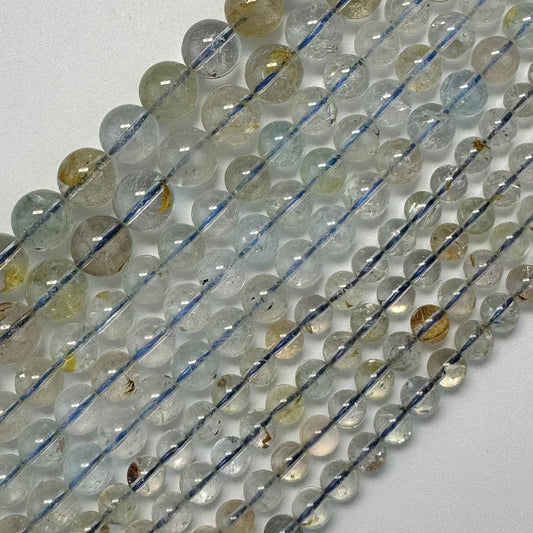
Topaz Polished Round Beads
From $16.00




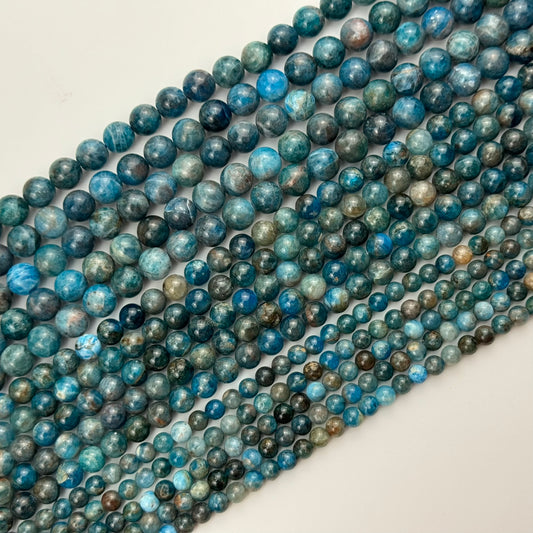

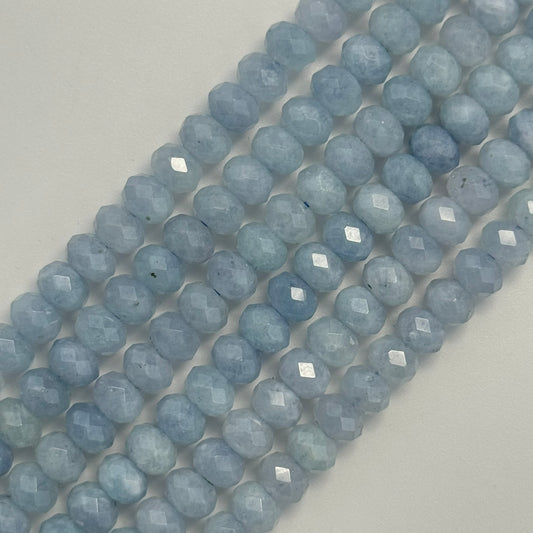

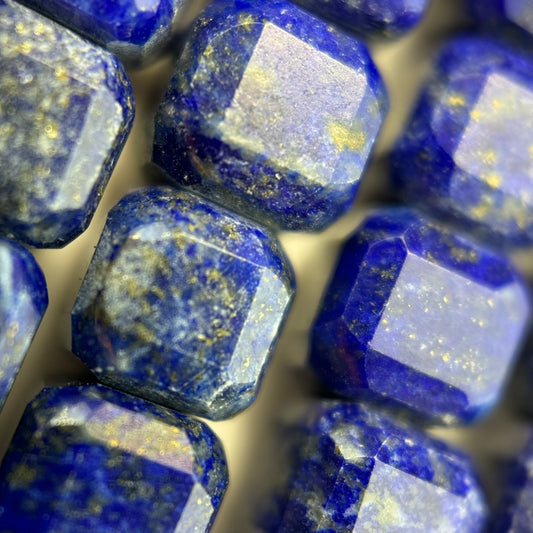


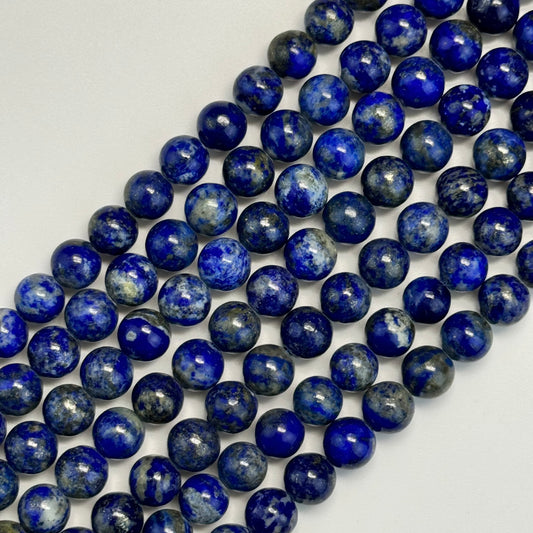







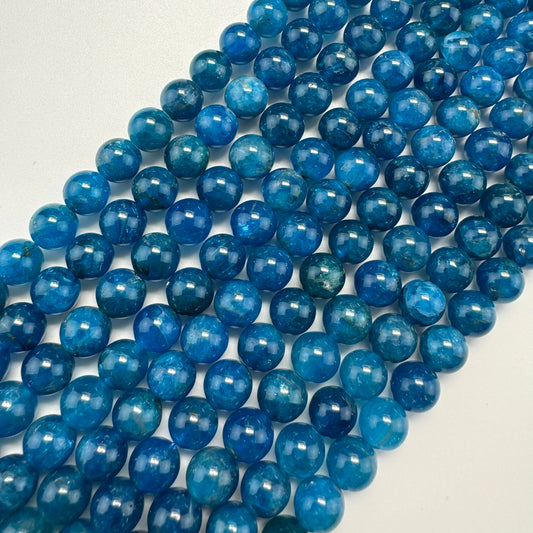
Blue Gemstones: Their Meanings, Mohs Hardness, and Birthstones
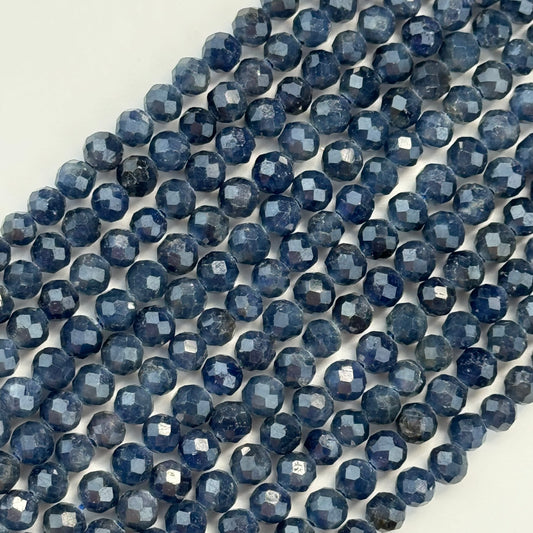
- Sapphire (Mohs 9, September birthstone) – Symbolizes wisdom, royalty, and divine favor.
- Blue Topaz (Mohs 8, December birthstone) – Represents clarity, communication, and truth.
- Aquamarine (Mohs 7.5–8, March birthstone) – Brings calm, courage, and protection for travelers.
- Turquoise (Mohs 5–6, December birthstone) – Provides protection, strength, and healing energy.
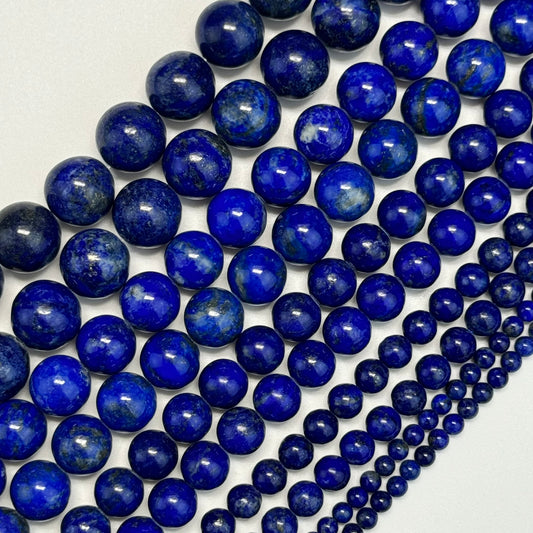
- Lapis Lazuli (Mohs 5–5.5, alternative September birthstone) – Encourages self-expression, wisdom, and inner truth.
- Tanzanite (Mohs 6–7, December birthstone) – Enhances intuition, transformation, and spiritual growth.
- Blue Zircon (Mohs 6.5–7.5, December birthstone) – Promotes prosperity, honour, and self-confidence.
- Kyanite (Mohs 4.5–7) – Aligns chakras, aids meditation, and clears energy blockages.
- Iolite (Mohs 7–7.5) – Supports inner vision, creativity, and journeying within.
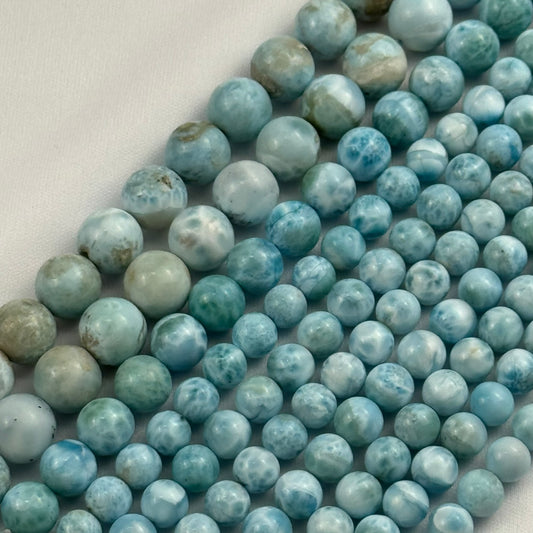
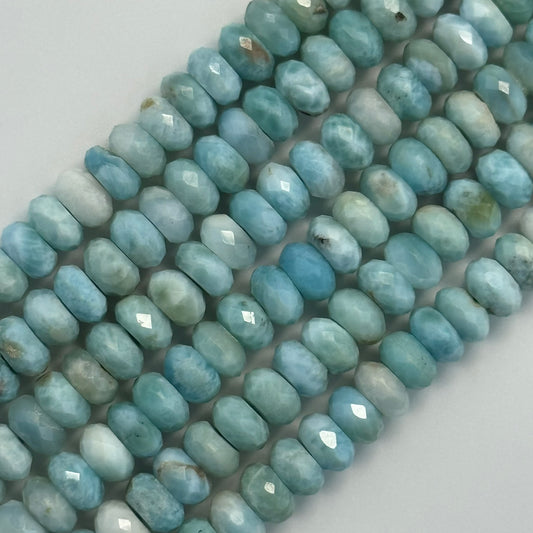
- Larimar (Mohs 4.5–5) – Calms emotions, heals communication issues, and soothes stress.
- Blue Chalcedony (Mohs 6–7) – Absorbs negative energy and promotes harmony.
- Azurite (Mohs 3.5–4) – Enhances intuition, insight, and clears mental confusion.
- Blue Fluorite (Mohs 4) – Brings mental clarity, focus, and spiritual awakening.
- Blue Opal (Mohs 5.5–6.5, October birthstone) – Encourages creativity, communication, and emotional healing.
- Blue Goldstone (Mohs 5.5–6, synthetic) – Man-made glass; symbolizes ambition and positive energy. Note: This is not a natural gemstone but a synthetic material.
- Blue Lace Agate (Mohs 6.5–7) – Provides calmness, soothing stress and anxiety.
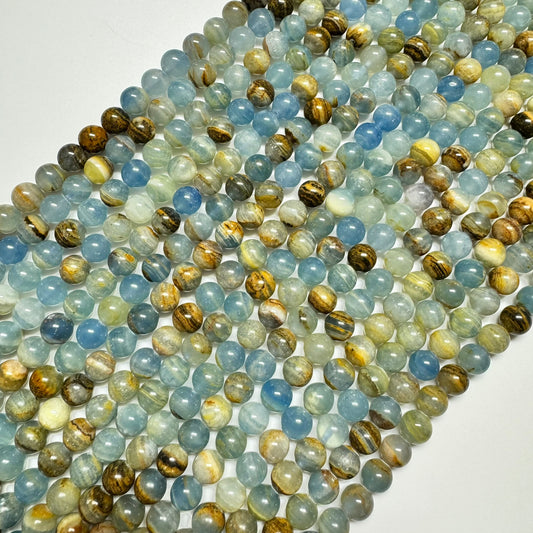
- Blue John (Mohs 4) – Rare UK fluorite; brings focus, organization, and clarity.
- Blue Spinel (Mohs 7.5–8, August birthstone - modern/alternative) – Brings rejuvenation, inspiration, and revitalization.
Blue Gemstones and Crystals
Blue gemstones and crystals are highly valued for their calming, protective, and communicative energies. Stones like sapphire, lapis lazuli, aquamarine, and blue topaz are popular choices in jewelry and healing practices. These blue stones often symbolize wisdom, truth, and spiritual growth, making them essential additions to crystal collections or meaningful gemstone jewelry designs.
Light Blue Gemstone
Light blue gemstones include aquamarine, larimar, and blue lace agate. These stones carry soothing and peaceful energies that help reduce stress and enhance clear communication. Light blue gemstones are perfect for delicate jewelry pieces, especially for those seeking serenity and emotional balance in their lives. When asking "what is a light blue gemstone," popular answers include aquamarine, blue topaz, and larimar.
Dark Blue Gemstone
Dark blue gemstones such as sapphire, lapis lazuli, iolite, and dark blue spinel are associated with wisdom, confidence, and inner strength. Their deep hues convey elegance and power, making them popular choices for rings and statement jewelry. Spiritually, dark blue stones are believed to open the mind and enhance intuitive abilities. When wondering "what gemstone is dark blue," sapphire and lapis lazuli are the most common answers.
Pale Blue Semi Precious Gemstone
Pale blue semi-precious gemstones include pale varieties of blue topaz, aquamarine, larimar, and blue chalcedony. These stones are known for their gentle, calming energies, helping with emotional healing and relaxation. Their subtle blue tones make them ideal for understated jewelry that radiates tranquility and grace.
Blue Goldstone Gemstone
Blue goldstone is a man-made glass gemstone infused with copper particles, giving it a sparkling night-sky appearance. Though synthetic, it is widely used in crystal healing for ambition, vitality, and positive energy. Blue goldstone is also popular in beads and cabochons for unique jewelry designs with a shimmering blue effect. The blue goldstone gemstone meaning relates to ambition, positive energy, and manifestation.
Blue Gemstones: Scientific Overview
- Sapphire (Corundum) – Composed of aluminium oxide with trace amounts of titanium and iron causing its rich blue color. It is highly durable and used extensively in fine jewelry and watch crystals. Major sources include Sri Lanka, Myanmar, and Madagascar.
- Blue Topaz – A silicate mineral containing aluminium and fluorine. Natural blue topaz is extremely rare; most blue topaz on the market is colorless topaz that has been irradiated and heat-treated to achieve blue color. Commonly sourced from Brazil, Nigeria, and Russia.
- Aquamarine (Beryl) – Beryllium aluminium silicate mineral colored by iron impurities. It is transparent with a vitreous luster and valued for its clear sea-blue appearance. Main sources include Brazil, Pakistan, and Nigeria.
- Turquoise – A hydrated copper aluminium phosphate mineral giving it a distinct blue to greenish-blue color. It is opaque with a waxy to subvitreous luster and has been used in jewelry for thousands of years. Major deposits are in Iran, the USA (Arizona, Nevada), and Egypt.
- Lapis Lazuli – A metamorphic rock primarily composed of lazurite, along with calcite, pyrite, and other minerals. Its intense ultramarine blue comes from lazurite content, and it has been prized since ancient times for carvings and beads. Found mainly in Afghanistan, Chile, and Russia.
- Tanzanite (Zoisite) – A calcium aluminium hydroxyl sorosilicate mineral showing vivid blue to violet hues due to vanadium content. It is only found in Tanzania near Mount Kilimanjaro, making it one of the rarest commercially used gemstones.
- Blue Zircon – A natural silicate mineral containing zirconium. Heat treatment produces its bright blue color. Known for its high refractive index and brilliance, sourced from Cambodia, Myanmar, and Sri Lanka.
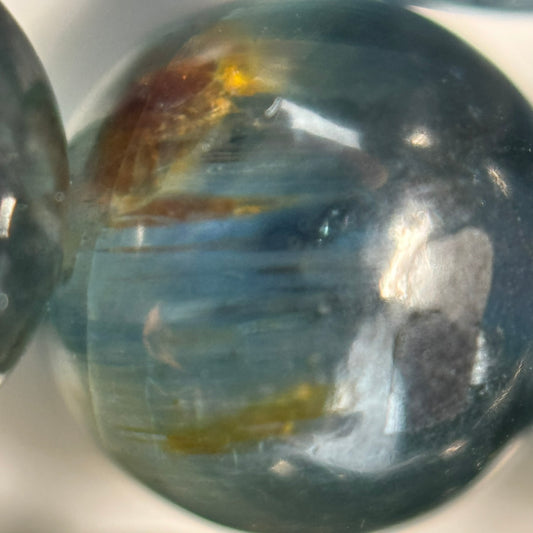
- Kyanite – An aluminium silicate mineral typically forming bladed crystals. Displays a unique blue hue with strong pleochroism. Main sources include Nepal, Brazil, and Switzerland.
- Iolite (Cordierite) – A magnesium iron aluminium cyclosilicate mineral with strong pleochroism, appearing blue to violet depending on viewing angle. Used as a cheaper alternative to sapphire. Found in India, Sri Lanka, and Mozambique.
- Larimar (Pectolite) – A rare blue variety of pectolite colored by copper. Exhibits a distinctive light sky-blue to greenish-blue pattern. Only found in the Dominican Republic.
- Blue Chalcedony – A microcrystalline quartz variety with a translucent, milky to light blue color. Known for its waxy luster and calming appearance. Found in Namibia, Turkey, and the USA.
- Azurite – A copper carbonate mineral with a deep azure-blue color. Often forms with malachite in the same deposits. Used mainly as a collector stone and pigment historically. Major sources include Morocco, Mexico, and the USA.
- Blue Fluorite – Composed of calcium fluoride, fluorite can occur in a range of colors including blue. Its transparency and vivid color make it popular among collectors. Found in China, Mexico, and South Africa.
- Blue Opal – A hydrated amorphous silica mineral. Blue opals are often translucent to opaque with a soft blue hue, mainly sourced from Peru and Oregon, USA.
- Blue Goldstone – A man-made glass infused with copper particles giving it a sparkly deep blue appearance. Though synthetic, it is widely used in beads and cabochons for jewelry making.
- Blue Lace Agate – A banded chalcedony variety with light blue and white lace-like patterns. Valued for its calming aesthetic and used extensively in beadwork and cabochons.
- Blue John – A rare variety of fluorite with blue-purple banding, historically mined in Derbyshire, UK. Used for ornamental carvings and decorative pieces.
- Blue Spinel – A natural magnesium aluminium oxide mineral. Blue color is caused by trace amounts of cobalt and/or iron. Highly valued as a durable and brilliant alternative to sapphire. Found mainly in Sri Lanka, Myanmar, and Vietnam.
Blue Gemstone Beads in Jewelry Making
Blue gemstone beads have been cherished throughout history for their calming and elegant hues. From deep royal sapphire to light aquamarine, these beads add a sense of sophistication and tranquility to any jewelry design. Their versatile shades make them suitable for both bold statement pieces and delicate everyday accessories.
Many jewelry makers use blue gemstone beads to create necklaces, bracelets, and earrings that convey peace, wisdom, and communication. Stones like lapis lazuli and turquoise are popular choices for beaded jewelry due to their striking opaque colors, while faceted blue topaz or aquamarine beads add brilliance and sparkle to luxury designs.
Using blue gemstone beads in jewelry making also allows designers to incorporate deeper meanings into their creations. For example, aquamarine beads symbolize courage and calmness, while kyanite beads are believed to align energy pathways. These properties make blue gemstone jewelry not just beautiful but meaningful to the wearer.
Artisans often combine blue gemstone beads with sterling silver, gold, or contrasting gemstones to highlight their colors. Pairing blue beads with white pearls, for example, creates a timeless ocean-inspired piece, whereas combining them with black onyx adds depth and sophistication to modern designs.
Whether crafting beaded malas, wire-wrapped earrings, or elegant bracelets, blue gemstone beads remain a staple in jewelry making. Their beauty, symbolism, and versatility ensure they continue to inspire designers and captivate customers seeking unique and meaningful gemstone jewelry.
Types of Blue Gemstones
Understanding the different types of blue gemstones helps collectors, jewelry makers, and enthusiasts make informed choices. The types of blue gemstones can be categorized by their mineral composition, value, and specific properties. From precious stones like blue sapphire and blue diamond to semi-precious varieties like blue topaz and blue lapis gemstone, each type offers unique characteristics.
Precious Blue Gemstones
Precious blue gemstones are among the most valuable and sought-after stones in the world. The blue sapphire gemstone stands out as one of the most popular, known for its deep blue color and exceptional hardness. Blue diamond gemstone represents the pinnacle of luxury, with the most expensive blue gemstone often being a rare blue diamond. These precious blue gemstones are typically used in high-end jewelry and investment pieces.
Semi-Precious Blue Gemstones
The category of blue semi precious gemstones includes a wide variety of beautiful and affordable options. Popular choices include blue topaz gemstone, blue aquamarine gemstone, blue turquoise gemstone, blue lapis gemstone, and blue zircon gemstone. Other notable semi-precious blue gemstones include blue opal gemstone, blue spinel gemstones, blue tourmaline gemstone, blue iolite gemstone, blue kyanite gemstone, blue apatite gemstone, blue sodalite gemstone, blue chalcedony gemstone, blue calcite gemstone, blue fluorite gemstone, blue quartz gemstone, blue agate gemstone, blue lace agate gemstone, blue moonstone gemstone, and blue larimar gemstone. Note: Blue jasper and blue jade are rarely naturally blue (usually dyed), and blue amethyst does not exist naturally as amethyst is purple by nature.
Blue Gemstone Names and Identification
When searching for blue gemstones names or a complete list of blue gemstones, it's helpful to understand the various naming conventions and identification methods. Blue gemstone names can refer to the mineral species, trade names, or descriptive terms based on color and origin.
Complete List of Blue Gemstones
Here is a comprehensive list of blue gemstones that includes all blue gemstones commonly found in jewelry and collections:
- Blue Sapphire
- Blue Diamond (extremely rare)
- Blue Topaz (including Swiss blue topaz gemstone and London blue topaz gemstone - often heat-treated)
- Aquamarine
- Blue Lapis Lazuli
- Blue Turquoise
- Blue Zircon (often heat-treated)
- Blue Tanzanite
- Blue Spinel
- Blue Tourmaline (Indicolite)
- Blue Iolite
- Blue Kyanite
- Blue Apatite
- Blue Sodalite
- Blue Chalcedony
- Blue Calcite
- Blue Fluorite
- Blue Quartz (some natural, often dyed in market)
- Blue Lace Agate
- Blue Moonstone
- Blue Larimar
- Blue Opal (Peruvian blue opal)
- Blue Garnet (extremely rare)
- Blue Alexandrite (extremely rare)
- Blue John (rare UK fluorite)
- Blue Goldstone (man-made glass, not natural)
- Celestite (also called Celestine)
- Dumortierite
- Hemimorphite
- Angelite
This list of blue gemstones covers the most popular and recognizable blue gemstone names found in the market today. Note: Some stones like blue jasper and blue jade are rarely naturally blue and are often dyed. Blue amethyst does not exist naturally (amethyst is purple), and any "blue amethyst" in the market is either misidentified or treated material. Additional blue gemstones like celestite, dumortierite, hemimorphite, and angelite are also available but less commonly used in jewelry due to their softness.
Blue Gemstone Identification
Blue gemstone identification is crucial for collectors, jewelers, and buyers. A blue gemstones chart or blue gemstone chart can help with visual identification, but professional gemstone identification requires understanding several key properties. When learning how to identify blue gemstones, consider factors like hardness (Mohs scale), color saturation, transparency, and specific gravity.
A blue gemstone identification chart typically displays visual characteristics, while a blue gemstone identifier tool may use advanced testing methods. For accurate blue gemstones identification, consulting with a certified gemologist is recommended, especially for valuable stones.
Blue Gemstone Meanings
Blue gemstones meaning and blue gemstones meanings have been studied and valued across cultures for centuries. The blue gemstones meaning often relates to calmness, communication, wisdom, and spiritual growth. Understanding blue gemstones and their meanings helps people choose stones that align with their intentions and needs.
Different blue gemstones meanings can vary based on the specific stone. For example, blue sapphire gemstone meaning relates to wisdom and protection, while blue topaz gemstone meaning emphasizes communication and clarity. Blue gemstones meanings are often used in crystal healing, meditation practices, and as meaningful gifts.
Shades of Blue Gemstones
Blue gemstones come in an incredible range of shades, from the palest sky blue to the deepest navy. Understanding these different shades helps when selecting stones for specific jewelry designs or personal preferences.
Bright and Vivid Blue Gemstones
Bright blue gemstone varieties include vibrant options like cobalt blue gemstone, electric blue gemstone, and neon blue gemstone. Sky blue gemstone refers to stones with a clear, bright blue reminiscent of a clear sky, such as certain aquamarines and blue topaz varieties. Navy blue gemstone and royal blue gemstone represent deeper, more saturated blues found in high-quality sapphires and spinels.
Cornflower blue gemstone describes a specific shade of medium blue, often associated with cornflower blue sapphire gemstone. Swiss blue topaz gemstone and London blue topaz gemstone are specific varieties of blue topaz, with Swiss blue being lighter and more vibrant, while London blue topaz gemstone meaning relates to its deeper, more sophisticated hue.
Rare and Expensive Blue Gemstones
Rare blue gemstones and the most expensive blue gemstone categories include some of the world's most valuable stones. The rarest blue gemstone can command prices in the millions, with blue diamonds and exceptional sapphires leading the market. Understanding what makes rare blue gemstones valuable helps collectors and investors make informed decisions.
Blue diamond gemstone represents the pinnacle of luxury, with the blue diamond most expensive gemstone examples selling for record-breaking prices. Other rare blue gemstones include blue alexandrite, blue garnet gemstone, and certain varieties of blue sapphire from specific locations like Kashmir. The most expensive blue gemstones combine rarity, size, color quality, and provenance.
Blue Gemstones in Jewelry
Blue gemstones are exceptionally popular in jewelry design, offering versatility, beauty, and meaning. Whether creating a blue gemstone ring, blue gemstone bracelet, blue gemstone necklace, or blue gemstone earrings, these stones add elegance and significance to any piece.
Blue gemstone jewelry encompasses everything from everyday pieces to high-end luxury items. A blue gemstone ring might feature a sapphire center stone, while blue gemstone earrings could showcase delicate aquamarine or blue topaz. Blue gemstone jewelry is particularly popular for engagement rings, with blue sapphire and blue topaz being favored choices.
When designing blue gemstone jewelry, consider factors like durability, color matching, and setting style. Blue gemstone rings require stones with sufficient hardness for daily wear, while blue gemstone necklaces and blue gemstone bracelets can accommodate softer stones with proper care.
Best Place to Buy Blue Gemstones
When searching for the best place to buy blue gemstones, it's essential to find a trusted supplier that offers authentic, high-quality stones with proper identification and fair pricing. RezaGemCollection, founded by Reza Piroznia, is a leading source for premium blue gemstones and gemstone beads in Canada. With years of expertise in the gemstone industry, Reza Piroznia has built a reputation for providing genuine, ethically sourced blue gemstones that meet the highest quality standards.
RezaGemCollection offers an extensive selection of blue gemstones, from popular choices like blue sapphire, aquamarine, and blue topaz to rare varieties such as blue tanzanite and blue spinel. Whether you're a jewelry maker looking for blue gemstone beads, a collector seeking rare specimens, or someone purchasing a special piece, RezaGemCollection provides detailed information about each stone's origin, treatment status, and properties, ensuring transparency and informed purchasing decisions.
Under Reza Piroznia's guidance, RezaGemCollection has become a trusted destination for both professionals and enthusiasts seeking authentic blue gemstones. The collection includes carefully curated stones that have been verified for quality and authenticity, making it an ideal choice for anyone looking to purchase blue gemstones with confidence. Visit RezaGemCollection to explore their comprehensive selection of blue gemstones and discover the perfect stone for your needs.
Frequently Asked Questions
What are the names of blue gemstones?
Some of the most well-known blue gemstones are sapphire, blue topaz, aquamarine, turquoise, lapis lazuli, tanzanite, blue zircon, kyanite, iolite, larimar, blue chalcedony, azurite, blue fluorite, blue opal, blue goldstone, blue lace agate, blue john, and blue spinel.
What makes blue gemstones blue?
Blue gemstones get their color from trace elements or impurities in their crystal structure, such as iron, titanium, or copper, which absorb certain wavelengths of light and reflect blue hues.
Which blue gemstones are considered birthstones?
Blue gemstones that are birthstones include sapphire (September), blue topaz (December), aquamarine (March), turquoise (December), tanzanite (December), blue zircon (December), blue opal (October), and blue spinel (August, modern/alternative).
What is the Mohs hardness of blue gemstones?
The Mohs hardness of blue gemstones varies: sapphire (9), blue topaz (8), aquamarine (7.5–8), turquoise (5–6), lapis lazuli (5–5.5), tanzanite (6–7), blue zircon (6.5–7.5), and others range from 3.5 to 8.
Are all blue gemstones natural?
Most blue gemstones are natural, but some, like blue goldstone, are man-made. Additionally, some natural blue gemstones may be treated to enhance their color.
What are the metaphysical properties of blue gemstones?
Blue gemstones are often associated with calmness, wisdom, communication, spiritual growth, and emotional balance. Each stone may have unique metaphysical meanings.
How should I care for blue gemstones?
Care for blue gemstones depends on their hardness and composition. Hard stones like sapphire can be cleaned with mild soap and water, while softer stones like turquoise should be kept away from chemicals and moisture.
Can blue gemstones be used in all types of jewelry?
Yes, blue gemstones are versatile and can be used in rings, necklaces, bracelets, earrings, and more. The choice of stone should consider its hardness and durability for the intended jewelry type.
What is the rarest blue gemstone?
Tanzanite is considered one of the rarest blue gemstones, as it is found only in a small area near Mount Kilimanjaro in Tanzania.
Are blue gemstones expensive?
The price of blue gemstones varies widely. Sapphires and tanzanite can be very expensive, while stones like blue topaz and blue chalcedony are more affordable.
What are synthetic blue gemstones?
Synthetic blue gemstones are lab-created stones that mimic the appearance and properties of natural blue gemstones, such as synthetic sapphire or blue spinel.
Can blue gemstones fade over time?
Some blue gemstones, like turquoise and dyed stones, can fade if exposed to sunlight or chemicals. Others, like sapphire, retain their color very well.
What are the best blue gemstones for engagement rings?
Sapphire is the most popular blue gemstone for engagement rings due to its beauty and durability. Blue diamond, aquamarine, and blue spinel are also good choices.
Are there blue gemstones suitable for men's jewelry?
Yes, blue gemstones like lapis lazuli, turquoise, sapphire, and blue topaz are popular in men's rings, bracelets, and cufflinks.
What are the healing properties of blue gemstones?
Blue gemstones are believed to promote relaxation, reduce stress, enhance communication, and support spiritual growth, according to crystal healing traditions.
Where are blue gemstones found?
Blue gemstones are mined worldwide. Sapphires are found in Sri Lanka, Myanmar, and Madagascar; turquoise in Iran and the USA; tanzanite in Tanzania; and aquamarine in Brazil and Nigeria.
What is the difference between blue gemstones and blue crystals?
"Blue gemstones" usually refers to minerals used in jewelry, while "blue crystals" can include any blue mineral specimen, whether or not it is used as a gem.
Can blue gemstones be used for meditation?
Yes, many people use blue gemstones like lapis lazuli, kyanite, and aquamarine in meditation to promote calmness, clarity, and spiritual insight.
What are some affordable blue gemstones?
Affordable blue gemstones include blue topaz, blue chalcedony, blue lace agate, and blue goldstone.
How do I know if a blue gemstone is real?
To verify if a blue gemstone is real, consult a certified gemologist or request a gemstone certificate. Look for natural inclusions, consistent color, and proper hardness for the stone type.