
Chrysocolla Stone Beads for Jewelry Making


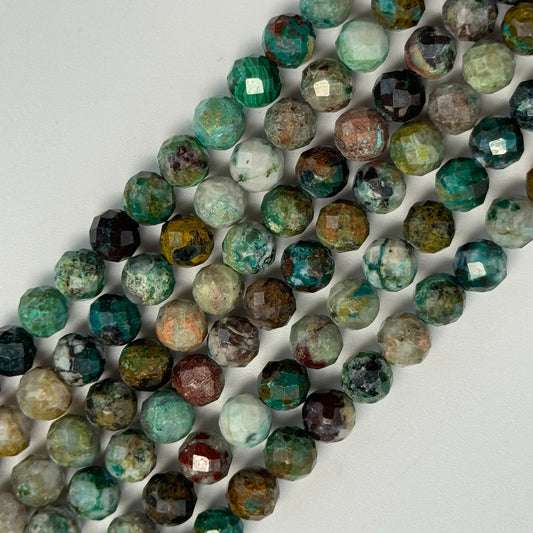

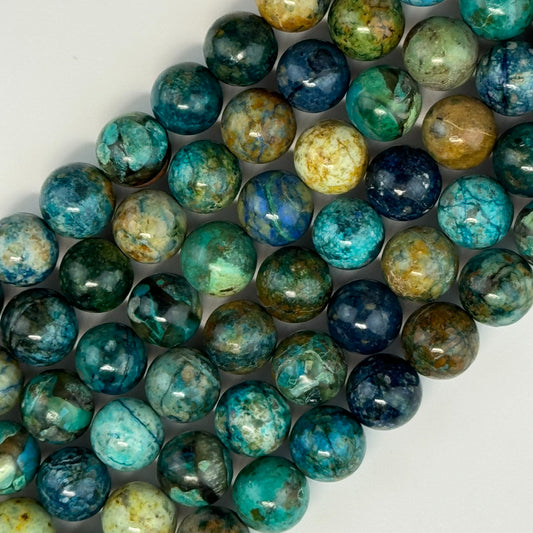

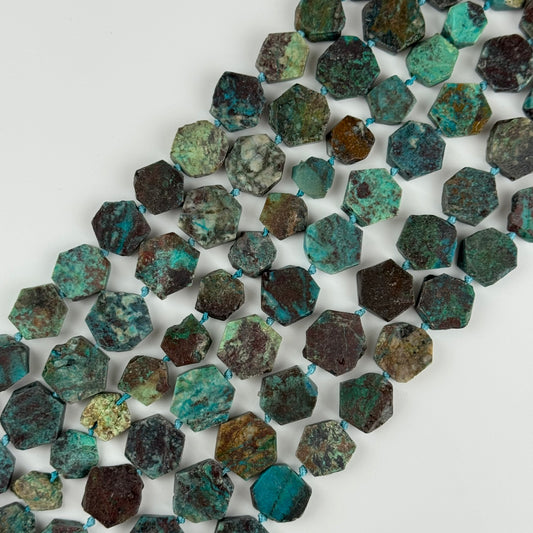


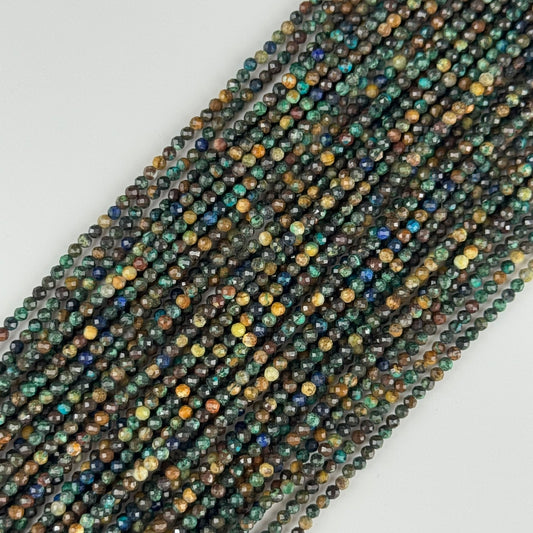


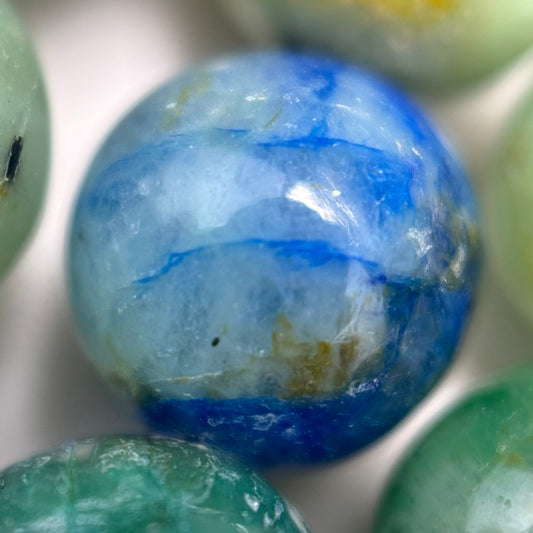

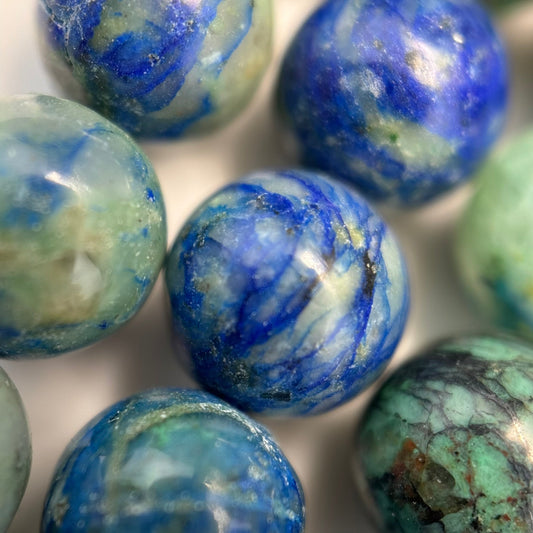


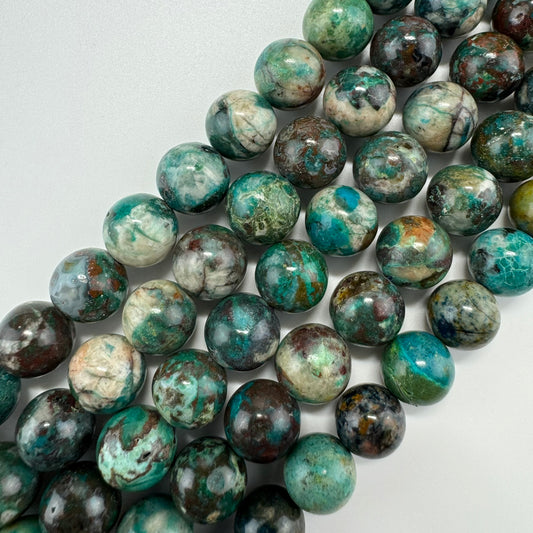
Chrysocolla
Chrysocolla is a captivating copper-rich silicate mineral, known for its vivid blue to green colors resembling turquoise. It's often found near copper deposits and is popular in jewelry making for its calming and earthy hues. Chrysocolla is also appreciated in metaphysical circles for its gentle, soothing energy that encourages clear communication and emotional balance.
Chrysocolla Stone
Chrysocolla stone refers to the natural mineral form used in carvings, jewelry, and healing tools. Its vibrant color and interesting veining patterns make it a favorite among lapidary artists. In gemstone therapy, chrysocolla stone is believed to support inner wisdom and peaceful expression.
Chrysocolla Beads in Jewelry Making
Chrysocolla beads are popular in jewelry making for their rich, tranquil colors ranging from bright turquoise blue to deep forest green. These beads can be polished or matte, and they work beautifully in necklaces, bracelets, and earrings. Many jewelers choose chrysocolla beads to create pieces that evoke calm, peace, and natural elegance.
Because of their unique color patterns, chrysocolla beads can be paired with metals like silver and copper for an earthy aesthetic. They are also combined with other stones such as malachite or turquoise for an elevated design. Whether used in malas, statement necklaces, or minimalist earrings, chrysocolla beads offer versatility and a grounding beauty in jewelry making.
Chrysocolla Healing Properties
The healing properties of chrysocolla are centered around communication, emotional expression, and inner peace. It's known as a stone of teaching and feminine energies, believed to help release stress and anxiety while encouraging heartfelt speech. Many use it to align the throat chakra and soothe emotional blockages.
Chrysocolla Malachite
Chrysocolla malachite is a unique combination stone featuring the vivid blues of chrysocolla and the rich greens of malachite. This natural fusion creates stunning patterns and is believed to combine the healing properties of both stones—protection and transformation from malachite, and communication and calm from chrysocolla.
Malachite and Chrysocolla
Malachite and chrysocolla are often found together in copper mines, creating beautiful mineral specimens. When used together in jewelry or healing, they are believed to balance the heart and throat chakras, offering both emotional protection and the ability to express oneself clearly.
What is Chrysocolla: Understanding This Beautiful Blue-Green Gemstone
Chrysocolla stands as one of the most beautiful and spiritually significant gemstones in the copper mineral family, celebrated for its stunning blue-green to turquoise colors that evoke the tranquility of tropical waters. This chrysocolla stone has been treasured for centuries, not only for its aesthetic beauty but also for its powerful metaphysical properties. Understanding what chrysocolla is helps appreciate why this gemstone has become so highly valued by jewelry makers, collectors, and spiritual practitioners alike.
The Definition and Origins of Chrysocolla
Chrysocolla is a hydrated copper silicate mineral that forms in the oxidized zones of copper deposits, creating the beautiful blue-green colors that make this chrysocolla stone so distinctive. This gemstone occurs naturally in various locations worldwide, with each region producing chrysocolla with slightly different characteristics and color variations.
- Chrysocolla is a hydrated copper silicate mineral
- Found in copper deposits worldwide including Peru, Arizona, and the Congo
- Forms in beautiful blue-green to turquoise colors
- Often occurs with other copper minerals like malachite and azurite
- Created through weathering of copper ores in oxidized zones
- Major sources include Peru, Arizona, Chile, Congo, and other copper-rich regions
At Reza Gem Collection, we source our chrysocolla from trusted suppliers worldwide, ensuring that each chrysocolla stone meets our high standards for quality and beauty. Our collection includes various chrysocolla varieties, from the pure Chrysocolla Light Blue-Green Beads to stunning combination stones like the Blue Azurite Chrysocolla Polished Round Beads and the Azurite and Chrysocolla Polished Round Beads.
The chrysocolla stone forms through complex geological processes that occur over extended periods. As copper ores weather and oxidize, chrysocolla develops in the upper layers of copper deposits, often in association with other copper minerals. This natural formation process creates the unique colors and patterns that make each piece of chrysocolla distinctive.
- Key characteristics of chrysocolla
- Mohs hardness: 2.5 to 4 (relatively soft, requires careful handling)
- Color: Blue-green to turquoise, sometimes with brown or black inclusions
- Luster: Vitreous to earthy
- Often stabilized for jewelry use due to softness
Chrysocolla vs Similar Gemstones
While chrysocolla shares color similarities with other blue-green gemstones, its unique characteristics set it apart in significant ways. Understanding how chrysocolla differs from similar stones helps collectors and jewelry makers appreciate its distinctive qualities and make informed choices about their gemstone selections.
- How chrysocolla differs from turquoise (similar color but different composition)
- Comparison with malachite (often found together)
- Relationship with azurite (frequently combined)
- Distinguishing features and characteristics
- Hardness differences and care requirements
- Color variations and pattern distinctions
Chrysocolla vs turquoise represents an interesting comparison, as both display beautiful blue-green colors. However, chrysocolla's composition as a copper silicate differs from turquoise's phosphate composition, creating distinct properties and appearances. While turquoise may display more uniform colors, chrysocolla often shows more variation and natural patterns that add visual interest.
When comparing chrysocolla vs malachite, the relationship becomes more complex, as these minerals often occur together naturally. Malachite and chrysocolla combinations create stunning visual effects, with the green of malachite contrasting beautifully with the blue-green of chrysocolla. This natural association makes chrysocolla malachite combinations particularly valuable and sought after.
Chrysocolla vs azurite also reveals interesting relationships, as azurite chrysocolla combinations create striking blue and blue-green patterns. The azurite chrysocolla combination showcases deep blues alongside the characteristic blue-green of chrysocolla, creating pieces that are both visually stunning and energetically powerful.
Chrysocolla Healing Properties and Spiritual Meaning
The chrysocolla healing properties and spiritual significance make this gemstone particularly valuable for those seeking stones that support emotional well-being, communication, and spiritual growth. Understanding the chrysocolla meaning helps jewelry makers and wearers appreciate the deeper significance of their pieces, beyond mere aesthetic appeal.
The Spiritual Meaning of Chrysocolla
The spiritual meaning of chrysocolla centers around communication, expression, and feminine energy, making this gemstone valuable for those seeking to enhance their ability to express themselves authentically. The chrysocolla meaning encompasses peace, tranquility, and emotional healing, creating a stone that supports both personal growth and spiritual development.
- Symbolizes communication, expression, and feminine energy
- Associated with the throat and heart chakras
- Believed to enhance intuition and inner wisdom
- Represents peace, tranquility, and emotional healing
- Supports authentic self-expression and clear communication
- Encourages emotional balance and inner harmony
The meaning of chrysocolla in spiritual traditions emphasizes its role as a stone of teaching and feminine energies. Chrysocolla spiritual meaning connects to the idea that clear communication and authentic expression lead to greater peace and emotional well-being. This chrysocolla crystal meaning makes it an ideal stone for meditation, energy work, and practices focused on communication and emotional healing.
Understanding the chrysocolla meaning helps jewelry makers and wearers appreciate the deeper significance of their pieces. Whether creating a chrysocolla bracelet for daily wear or a chrysocolla necklace for special occasions, the spiritual meaning of chrysocolla adds layers of significance beyond mere aesthetics.
Chrysocolla Healing Properties and Benefits
Chrysocolla healing properties encompass both emotional and physical benefits, making this gemstone valuable for holistic well-being. The chrysocolla healing properties have been recognized by crystal healers and metaphysical practitioners who work with this stone to support transformation and healing on multiple levels.
- Emotional healing and stress relief
- Enhanced communication and self-expression
- Support for throat and respiratory health
- Aid in overcoming fears and anxiety
- Promotes inner peace and tranquility
- Supports emotional balance and stability
- Encourages release of old emotional patterns
The healing properties of chrysocolla make it particularly effective for those working through emotional challenges or seeking support during periods of stress or anxiety. Chrysocolla crystal healing properties focus on communication and emotional healing, helping individuals express themselves more clearly while finding greater inner peace. These chrysocolla benefits extend to various aspects of well-being, from emotional stability to physical health support.
Many practitioners use chrysocolla healing properties to support throat chakra work, finding that the stone enhances communication abilities and supports clear self-expression. The chrysocolla crystal healing properties make it valuable for those seeking to deepen their ability to communicate authentically or work through emotional blockages that prevent clear expression.
Metaphysical Properties of Chrysocolla
The metaphysical properties of chrysocolla extend beyond its physical characteristics, encompassing energetic qualities that have been recognized across spiritual traditions. These chrysocolla metaphysical properties make it valuable for those seeking stones that support spiritual growth and emotional healing.
- Throat chakra: Enhanced communication and expression
- Heart chakra: Emotional healing and love
- Third eye chakra: Intuition and inner wisdom
- Connection to feminine energy and nurturing qualities
- Supports spiritual growth and awareness
- Facilitates connection with inner wisdom
Chrysocolla spiritual properties focus on communication, emotional healing, and spiritual growth, making this stone valuable for those working through life changes or seeking deeper spiritual understanding. The metaphysical properties of chrysocolla encompass both emotional and spiritual benefits, supporting holistic well-being through personal transformation.
These chrysocolla metaphysical properties make it particularly effective for meditation, energy work, and spiritual practices. Many practitioners find that chrysocolla enhances intuition, provides support for emotional healing, and facilitates connection with inner wisdom. The chrysocolla spiritual properties make it an ideal stone for those seeking to deepen their spiritual practice or work through emotional healing processes.
- Key spiritual properties of chrysocolla
- Communication and self-expression
- Emotional healing and balance
- Intuition and inner wisdom
- Peace and tranquility
- Feminine energy and nurturing
Chrysocolla Combination Stones: Malachite, Azurite, and More
Chrysocolla combination stones represent some of the most beautiful and energetically powerful gemstone varieties available. The natural occurrence of chrysocolla with other copper minerals creates stunning visual effects and enhanced metaphysical properties. Understanding these chrysocolla combination stones helps collectors and jewelry makers appreciate the unique qualities that make these pieces so special.
Chrysocolla and Malachite: A Powerful Combination
Chrysocolla malachite represents one of the most popular and beautiful combination stones, featuring the vivid blues of chrysocolla alongside the rich greens of malachite. This natural fusion creates stunning patterns and is believed to combine the healing properties of both stones, making chrysocolla malachite particularly valuable for those seeking both aesthetic beauty and spiritual support.
- Natural combination of blue-green chrysocolla with green malachite
- Enhanced healing properties when combined
- Beautiful color contrast in jewelry pieces
- Popular in cabochons and polished stones
- Balances heart and throat chakras
- Combines protection and transformation with communication and calm
Malachite and chrysocolla combinations occur naturally in copper deposits, where these minerals form together in the same geological environment. This natural association creates the beautiful patterns that make malachite and chrysocolla so highly valued. The combination of green malachite with blue-green chrysocolla creates visual interest that goes beyond what either stone can achieve alone.
Our collection includes various chrysocolla malachite options, though many of our combination pieces feature azurite as well. The natural occurrence of these minerals together creates opportunities for stunning jewelry pieces that showcase the beauty of copper minerals in combination.
Azurite and Chrysocolla Combinations
Azurite chrysocolla combinations create some of the most visually striking gemstone pieces available, featuring deep blues of azurite alongside the blue-green tones of chrysocolla. This azurite chrysocolla combination showcases the full spectrum of copper mineral colors, creating pieces that are both beautiful and energetically powerful.
- Stunning blue azurite with blue-green chrysocolla
- Triple combinations with malachite creating vibrant patterns
- Highly sought after for collector pieces
- Unique color patterns in each specimen
- Enhanced energetic properties when combined
- Creates visual depth and complexity
Our Blue Azurite Chrysocolla Polished Round Beads showcase the beautiful combination of these two minerals, featuring AAA quality stones with vibrant blue and blue-green tones. The Azurite Chrysocolla Faceted Round Beads and Azurite Chrysocolla Faceted Square Beads demonstrate how these combination stones can be cut into various shapes while maintaining their stunning color patterns.
Azurite chrysocolla malachite triple combinations represent the ultimate in copper mineral combinations, featuring deep blues, blue-greens, and rich greens all in one piece. These azurite chrysocolla malachite combinations are highly sought after by collectors and jewelry makers seeking pieces that showcase the full beauty of copper minerals.
Other Chrysocolla Combinations
Beyond malachite and azurite, chrysocolla occurs with various other minerals, creating unique combination stones that offer both visual interest and enhanced properties. Understanding these other chrysocolla combinations helps collectors and jewelry makers appreciate the full range of possibilities available.
- Chrysocolla in quartz (stabilized and enhanced)
- Chrysocolla with chalcedony (gem silica)
- Chrysocolla with cuprite (red inclusions)
- Various combinations creating unique patterns
- Stabilized varieties for jewelry durability
- Natural and treated combination options
Chrysocolla and quartz combinations create stabilized pieces that are more durable for jewelry use. These chrysocolla quartz combinations maintain the beautiful colors of chrysocolla while gaining the durability benefits of quartz, making them ideal for jewelry that will receive regular wear.
Chrysocolla chalcedony combinations, known as gem silica, represent some of the most valuable chrysocolla varieties. These chrysocolla chalcedony pieces combine the beautiful colors of chrysocolla with the durability and translucency of chalcedony, creating gemstones that are both beautiful and practical for jewelry use.
- Popular chrysocolla combinations
- Chrysocolla with malachite (most common)
- Azurite with chrysocolla
- Azurite, malachite, and chrysocolla (triple combination)
- Chrysocolla in quartz (stabilized)
- Chrysocolla with chalcedony (gem silica)
Chrysocolla Jewelry: Rings, Necklaces, and Elegant Designs
Chrysocolla jewelry has gained popularity among those seeking pieces that combine exceptional beauty with spiritual significance. The unique blue-green colors and natural patterns of chrysocolla make it ideal for creating distinctive jewelry that stands out from more common gemstone pieces. Whether creating chrysocolla jewelry for personal wear or as meaningful gifts, the options are diverse and beautiful.
Chrysocolla Rings: Unique and Meaningful
Chrysocolla rings offer a distinctive alternative to traditional gemstone rings, providing both beauty and spiritual significance. The unique blue-green color and patterns of chrysocolla make each chrysocolla ring truly one-of-a-kind, while the stone's communication and healing properties add deeper meaning to the piece.
- Chrysocolla engagement rings as distinctive alternatives
- Statement rings showcasing chrysocolla's blue-green beauty
- Cabochon cuts highlighting natural patterns
- Protective settings essential due to softness
- Chrysocolla stone rings for everyday elegance
- Wire-wrapped chrysocolla rings for bohemian style
A chrysocolla ring makes a powerful statement, combining the stone's unique visual appeal with its communication and healing properties. Chrysocolla engagement rings offer couples a distinctive choice that represents communication, expression, and emotional healing, making them meaningful symbols of commitment and personal growth.
For those seeking chrysocolla stone rings, protective settings are essential due to the stone's moderate to soft hardness. Bezel settings or protective prongs help safeguard the chrysocolla while showcasing its beautiful patterns. Whether choosing a simple solitaire chrysocolla ring or a more elaborate design, the unique blue-green color ensures the piece will be distinctive and memorable.
Chrysocolla Necklaces and Pendants
Chrysocolla necklaces and pendants showcase the stone's beautiful colors and patterns in wearable, elegant designs. From simple beaded chrysocolla necklaces to elaborate pendant designs, these pieces allow wearers to enjoy chrysocolla's beauty and properties throughout the day.
- Pendant necklaces showcasing chrysocolla's natural beauty
- Beaded chrysocolla necklaces for layered looks
- Statement pieces featuring large chrysocolla cabochons
- Wire-wrapped chrysocolla pendants for bohemian style
- Chrysocolla stone necklaces for daily wear
- Layered designs combining chrysocolla with complementary stones
Our Chrysocolla Light Blue-Green Beads - Sky Blue Polished Round are perfect for creating beautiful chrysocolla necklaces, whether as simple beaded strands or more complex designs. The Chrysocolla Faceted Round Beads offer additional sparkle and dimension, while the Chrysocolla Beads - Faceted Square provide modern geometric appeal.
A chrysocolla pendant allows the stone's patterns to take center stage, with settings that protect the stone while highlighting its natural beauty. Chrysocolla stone necklaces provide continuous contact with the stone's energy, making them ideal for those seeking the communication and healing properties of chrysocolla throughout the day.
Chrysocolla Bracelets and Earrings
Chrysocolla bracelets and earrings offer daily opportunities to enjoy this beautiful gemstone's colors and properties. From simple beaded chrysocolla bracelets to elegant earring designs, these pieces provide both style and spiritual support.
- Beaded chrysocolla bracelets for daily wear
- Charm bracelets featuring chrysocolla beads
- Stud and drop earrings in blue-green chrysocolla
- Wire-wrapped chrysocolla jewelry designs
- Chrysocolla crystal bracelets for spiritual support
- Layered bracelets combining chrysocolla with other stones
Our various chrysocolla bead options make creating chrysocolla bracelets simple and beautiful. The Chrysocolla Light Blue-Green Beads work perfectly for creating elegant beaded bracelets, while the Chrysocolla Faceted Round Beads and Faceted Square Beads offer unique shapes for more distinctive designs. A chrysocolla crystal bracelet provides continuous contact with the stone's communication and healing energy, making it ideal for daily wear.
Chrysocolla earrings range from simple stud designs showcasing a single chrysocolla stone to more elaborate drop or dangle styles. The unique blue-green color of chrysocolla makes earrings particularly striking, as the stone's patterns catch the light beautifully. Whether choosing simple studs or more elaborate designs, chrysocolla earrings offer a distinctive alternative to more common gemstone options.
- Popular chrysocolla jewelry types
- Chrysocolla rings (engagement, fashion, statement)
- Chrysocolla necklaces and pendants
- Chrysocolla bracelets (beaded, charm, wire-wrapped)
- Chrysocolla earrings (studs, drops, hoops)
- Chrysocolla beads for custom jewelry
Chrysocolla Properties: Physical and Metaphysical Characteristics
Understanding chrysocolla properties helps both collectors and jewelry makers appreciate both the practical and spiritual aspects of this remarkable gemstone. The physical properties of chrysocolla determine its suitability for various jewelry applications, while the metaphysical properties add deeper meaning and purpose to chrysocolla jewelry pieces.
Physical Properties of Chrysocolla
The physical properties of chrysocolla make it suitable for jewelry, though its relatively soft hardness requires careful consideration in design and care. These chrysocolla properties ensure that with proper handling and protective settings, chrysocolla jewelry can provide years of beauty and enjoyment.
- Mohs hardness: 2.5 to 4 (relatively soft, requires careful handling)
- Specific gravity: 2.0 to 2.4
- Chemical formula: Cu2H2Si2O5(OH)4
- Luster: Vitreous to earthy
- Often stabilized for jewelry use
- Transparency: Translucent to opaque
Chrysocolla hardness on the Mohs scale of 2.5 to 4 means it's softer than many common gemstones, requiring protective settings and careful handling. Understanding chrysocolla Mohs hardness helps jewelry makers create appropriate designs that protect the stone while showcasing its beauty. The chrysocolla stone properties make it suitable for pendants, earrings, and protected ring settings, where it's less likely to encounter impact or abrasion.
These chrysocolla properties also influence how the stone is treated and stabilized for jewelry use. Many chrysocolla pieces are stabilized to increase durability, making them more suitable for regular wear. The chrysocolla stone properties make it important to understand whether a piece is natural or stabilized when making purchasing decisions.
Chrysocolla Formation and Geological Properties
The geological properties of chrysocolla reveal how this beautiful gemstone forms and where it can be found. Understanding where chrysocolla is found and how it forms helps appreciate the unique nature of this copper-based gemstone.
- Forms in oxidized zones of copper deposits
- Found in Peru, Arizona, Chile, Congo, and other copper-rich regions
- Created through weathering of copper ores
- Often occurs with malachite, azurite, and other copper minerals
- Forms in the upper layers of copper deposits
- Develops through complex oxidation processes
Where is chrysocolla found? Major sources include Peru, which produces beautiful blue-green varieties; Arizona, known for its high-quality chrysocolla specimens; Chile, a significant source of copper minerals; and the Congo, which produces chrysocolla with distinctive characteristics. Each location tends to produce chrysocolla with characteristic colors and qualities, though the basic properties remain consistent across sources.
How is chrysocolla formed? The process involves the weathering and oxidation of copper ores in the upper layers of copper deposits. As copper minerals are exposed to air and water, they undergo chemical changes that create chrysocolla. This formation process often occurs alongside other copper minerals like malachite and azurite, creating the natural combinations that make chrysocolla so interesting.
Metaphysical Properties of Chrysocolla
The metaphysical properties of chrysocolla extend beyond its physical characteristics, encompassing energetic qualities that have been recognized across spiritual traditions. These chrysocolla metaphysical properties make it valuable for those seeking stones that support spiritual growth and emotional healing.
- Communication and self-expression
- Emotional healing and balance
- Intuition and inner wisdom
- Peace and tranquility
- Feminine energy and nurturing
- Support for throat and heart chakras
Chrysocolla spiritual properties focus on communication, emotional healing, and spiritual growth, making this stone valuable for those working through life changes or seeking deeper spiritual understanding. The metaphysical properties of chrysocolla encompass both emotional and spiritual benefits, supporting holistic well-being through personal transformation.
These chrysocolla metaphysical properties make it particularly effective for meditation, energy work, and spiritual practices. Many practitioners find that chrysocolla enhances communication abilities, provides support for emotional healing, and facilitates connection with inner wisdom. The chrysocolla spiritual properties make it an ideal stone for those seeking to deepen their spiritual practice or work through emotional healing processes.
- Key properties of chrysocolla
- Relatively soft, requires protective settings
- Beautiful blue-green to turquoise colors
- Often stabilized for jewelry durability
- Excellent for cabochon cutting and carving
- Valued for both aesthetic and metaphysical properties
Caring for Your Chrysocolla: Maintenance and Preservation
Proper care ensures that your chrysocolla jewelry maintains its beauty and integrity for years to come. While chrysocolla is relatively soft, understanding how to clean chrysocolla and protect it from damage helps preserve both its appearance and energetic qualities. Whether you own a simple chrysocolla bracelet or an elaborate necklace, proper maintenance is essential.
How to Clean Chrysocolla
Learning how to clean chrysocolla properly helps maintain its beautiful luster and ensures that your jewelry continues to look its best. The cleaning process for chrysocolla requires special attention due to the stone's softness and potential sensitivity to water.
- Use warm, soapy water and a soft brush (avoid soaking)
- Avoid harsh chemicals and ultrasonic cleaners
- Rinse thoroughly and dry with a soft cloth immediately
- Be cautious with water exposure due to softness
- Use only mild, pH-neutral soaps
- Gently polish with a soft, lint-free cloth after cleaning
Cleaning chrysocolla regularly helps remove oils, dirt, and other substances that can dull its appearance over time. The question "can chrysocolla get wet?" is often asked, and the answer requires caution - while chrysocolla can be cleaned with water, prolonged soaking should be avoided due to the stone's softness and potential for water absorption. After cleaning, ensure the stone is thoroughly dried immediately to prevent potential issues.
It's important to avoid harsh chemicals when cleaning chrysocolla, as these can damage the stone's surface or affect its color. Ultrasonic cleaners should also be avoided, as the vibrations can potentially cause damage to the soft stone or its setting. Stick to gentle, manual cleaning methods for best results with this relatively soft gemstone.
Storing Chrysocolla Jewelry
Proper storage of chrysocolla jewelry protects it from damage and helps maintain its appearance between wearings. Understanding how to store chrysocolla properly prevents scratches, color fading, and other potential issues.
- Store in soft pouches or individual compartments
- Keep away from harder gemstones to prevent scratching
- Avoid extreme temperature changes
- Protect from direct sunlight to prevent fading
- Use jewelry boxes with soft linings
- Handle with care due to softness
Chrysocolla jewelry care includes proper storage practices that protect the stone from damage. Since chrysocolla has a Mohs hardness of 2.5 to 4, it can be easily scratched by harder materials like diamonds, sapphires, or even other quartz varieties. Storing chrysocolla pieces separately or in individual compartments prevents contact with harder materials that could cause damage.
Protecting chrysocolla from direct sunlight helps prevent potential color fading, though stabilized varieties may be more resistant. Storing jewelry in a cool, dark place when not in use helps maintain color integrity and overall appearance.
Protecting Chrysocolla from Damage
Understanding how to protect chrysocolla from damage helps ensure your jewelry pieces remain beautiful and functional for years to come. While chrysocolla is relatively soft, certain precautions help prevent unnecessary wear or damage.
- Remove chrysocolla jewelry during strenuous activities
- Avoid exposure to harsh chemicals and cleaners
- Protect from sharp impacts and pressure
- Use protective settings in rings and bracelets
- Consider stabilized chrysocolla for daily wear
- Regular professional inspection recommended
Chrysocolla care includes knowing when to remove jewelry to protect it from damage. While chrysocolla is suitable for daily wear in appropriate settings, removing it during activities like sports, gardening, or heavy manual work helps prevent scratches, chips, or other damage. This is especially important for rings and bracelets, which are more likely to encounter impact during daily activities.
Regular professional inspection helps identify potential issues before they become serious problems. A jeweler can check settings for security, identify any developing cracks or chips, and provide professional cleaning that may be more thorough than home cleaning methods.
- Chrysocolla care essentials
- Gentle cleaning with mild soap and water (avoid soaking)
- Separate storage to prevent scratching
- Protection from extreme temperatures
- Avoid harsh chemicals and ultrasonic cleaners
- Handle with care due to softness (2.5-4 Mohs)
Choosing Quality Chrysocolla: What to Look For
Selecting quality chrysocolla ensures that your jewelry pieces will be both beautiful and durable. Understanding what makes quality chrysocolla helps collectors and jewelry makers make informed decisions when purchasing stones or finished pieces. Whether you're selecting chrysocolla beads for a project or choosing a finished chrysocolla ring, quality considerations remain important.
Color Quality in Chrysocolla
Color is one of the most important factors in determining chrysocolla quality and value. The best chrysocolla displays vibrant, saturated blue-green to turquoise colors that are consistent throughout the stone, with natural patterns that add visual interest.
- Rich, vibrant blue-green to turquoise colors are most desirable
- Consistent color distribution throughout the stone
- Natural patterns and inclusions can add character
- Color intensity and saturation affect value
- Look for even color distribution without blotches
- Consider personal preference alongside traditional quality standards
When evaluating chrysocolla color, look for stones with rich, even color that shows good saturation. The most valuable chrysocolla displays consistent blue-green to turquoise color throughout, though some natural variation can add visual interest. The chrysocolla color should show good depth and intensity, with patterns that enhance rather than detract from the overall appearance.
Our collection includes various quality grades, from A quality pieces to AAA quality specimens. The Chrysocolla Light Blue-Green Beads - Sky Blue Polished Round showcase beautiful sky-blue tones, while the Polished Round Green Chrysocolla Precious Stone Beads display rich green hues. The variety of colors available allows you to choose the intensity that best suits your design preferences.
Stabilization and Treatment
Understanding stabilization and treatment is crucial when selecting chrysocolla, as these processes significantly affect durability and care requirements. Transparency about treatments helps make informed purchasing decisions.
- Stabilized chrysocolla is more durable for jewelry
- Natural chrysocolla is softer and requires extra care
- Gem silica (chrysocolla in chalcedony) is highly valued
- Transparency about treatments is important
- Stabilized varieties suitable for daily wear
- Natural varieties require more careful handling
Chrysocolla stone stabilization involves treating the stone to increase its durability, making it more suitable for jewelry use. Stabilized chrysocolla can withstand more wear and requires less careful handling than natural varieties. Understanding whether a piece is stabilized helps determine appropriate care and use.
Gem silica, which is chrysocolla in chalcedony, represents one of the most valuable chrysocolla varieties. These chrysocolla chalcedony pieces combine the beautiful colors of chrysocolla with the durability of chalcedony, creating gemstones that are both beautiful and practical for jewelry use.
Cut and Polish Quality
The quality of the cut and polish significantly affects chrysocolla's appearance and desirability. Well-cut and polished chrysocolla displays better luster, more even color distribution, and overall superior appearance compared to poorly finished stones.
- Smooth, well-polished surfaces essential
- Cabochon cuts showcase colors and patterns best
- Proper proportions for the intended design
- High-quality polish enhances luster and color
- Consistent sizing in beaded varieties
- Precise faceting in faceted cuts
Chrysocolla cabochon cuts should display smooth, domed surfaces with even polish and good symmetry. Our various chrysocolla bead options demonstrate high-quality cutting and polishing, from the smooth round beads to the precisely faceted square and round forms. Each shape showcases chrysocolla's natural colors while maintaining excellent finish quality.
For beaded chrysocolla, consistent sizing and shape are important quality indicators. Well-made beads will be uniform in size and shape, allowing for even stringing and professional-looking finished jewelry. Our collection includes various shapes and cuts, each demonstrating quality craftsmanship in cutting and polishing.
- Quality factors for chrysocolla
- Rich, vibrant blue-green color saturation
- Good polish and surface finish
- Stabilization for jewelry durability
- Appropriate cut for showcasing natural beauty
- Natural vs. stabilized considerations
At Reza Gem Collection, we carefully select our chrysocolla products to ensure they meet high quality standards. Whether you're choosing Chrysocolla Light Blue-Green Beads for a calming necklace, Chrysocolla Faceted Round Beads for a sophisticated bracelet, or Blue Azurite Chrysocolla Polished Round Beads for a stunning combination piece, you can trust that each piece has been evaluated for quality and beauty. Our commitment to quality means that every chrysocolla stone in our collection represents the best of what this beautiful blue-green gemstone has to offer, combining exceptional beauty with the communication and healing properties that make chrysocolla so highly valued.
Frequently Asked Questions
What is chrysocolla?
Chrysocolla is a copper-rich silicate mineral known for its vibrant blue-green colors. It is prized in jewelry making and metaphysical healing for its calming and communicative properties.
Where is chrysocolla found?
Chrysocolla is found in copper mining regions worldwide, including the Democratic Republic of Congo, Chile, Peru, Russia, and the southwestern United States, especially Arizona and New Mexico.
What does chrysocolla symbolize?
Chrysocolla symbolizes tranquility, empowerment, and clear communication. It is believed to soothe emotions, enhance self-expression, and encourage inner wisdom.
Is chrysocolla a gemstone?
Yes, chrysocolla is classified as a gemstone, although it is technically a mineral. Its attractive blue-green hues make it popular for beads, cabochons, and artistic carvings.
What is chrysocolla used for?
Chrysocolla is used in jewelry, cabochons, beads, and metaphysical tools. It is believed to aid communication, reduce stress, and open the throat chakra for clear expression.
Can chrysocolla go in water?
Chrysocolla should not be soaked in water as it has a Mohs hardness of 2-4, making it soft and porous. Water can damage its surface or structure over time.
What are chrysocolla beads?
Chrysocolla beads are small, drilled pieces of the stone used in making necklaces, bracelets, malas, and earrings. They showcase the mineral's natural blue and green variations.
Are chrysocolla beads natural?
Yes, chrysocolla beads are natural. However, some may be stabilized to improve durability for jewelry making. Reza Gem Collection offers natural chrysocolla beads in polished and matte finishes.
How do you care for chrysocolla jewelry?
Care for chrysocolla jewelry by avoiding chemicals, excessive heat, and prolonged water exposure. Store it separately to prevent scratching from harder stones.
What is chrysocolla malachite?
Chrysocolla malachite is a stone combining both minerals. It features stunning bands of green malachite with blue chrysocolla, creating beautiful patterns ideal for beads and cabochons.
Is chrysocolla expensive?
Chrysocolla is moderately priced compared to precious gemstones. Prices depend on its quality, color richness, and presence of other minerals like malachite or turquoise.
What chakra is chrysocolla good for?
Chrysocolla is associated with the throat chakra, aiding communication, truth, and emotional balance. It is also linked to the heart chakra for compassion and healing.
Does chrysocolla help with anxiety?
Many crystal healers believe chrysocolla calms anxiety, soothes emotional turmoil, and promotes peace by encouraging clear expression of thoughts and feelings.
Is chrysocolla toxic?
Chrysocolla contains copper, but it is generally safe to handle in bead and cabochon form. Avoid ingesting chrysocolla dust or using it in elixirs unless prepared safely.
Can chrysocolla be used in rings?
Chrysocolla can be used in rings, but due to its softness (Mohs 2-4), it should be set in protective settings to prevent scratches or damage during wear.
What is the hardness of chrysocolla?
Chrysocolla has a Mohs hardness ranging from 2 to 4, meaning it is relatively soft compared to quartz or topaz and requires gentle handling in jewelry use.
What is the difference between chrysocolla and turquoise?
Chrysocolla and turquoise both have blue-green colors but differ mineralogically. Turquoise is a phosphate mineral with higher hardness, while chrysocolla is a silicate with a softer structure and fibrous texture.
Is chrysocolla dyed?
High-quality chrysocolla is not dyed, but some lower-grade beads may be treated or stabilized to enhance color and durability. Reza Gem Collection offers authentic natural chrysocolla beads.
What is chrysocolla's spiritual meaning?
Spiritually, chrysocolla is known as a stone of communication, feminine energy, and wisdom. It aids emotional healing, inner truth, and calmness during stressful times.
Where can I buy chrysocolla beads?
You can buy natural chrysocolla beads from Reza Gem Collection, offering a curated selection of polished and matte beads ideal for jewelry designers, collectors, and metaphysical use.