Natural Coral Beads Collection – Gemstone Beads for Jewelry Making, Necklaces, Bracelets & More





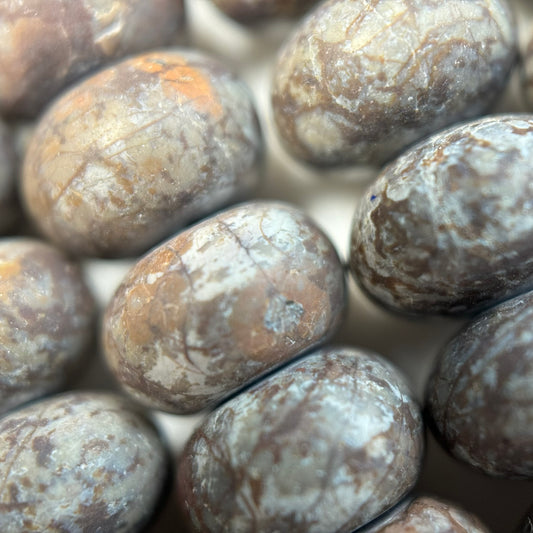
Coral Beads for Jewelry Making: A Timeless Choice
Coral beads have been cherished for centuries in jewelry making due to their vibrant colors and organic origins. Whether polished or matte, coral beads add a natural warmth and elegance to necklaces, bracelets, and earrings. Their unique hues range from soft pinks to deep reds, making them versatile for various design styles, from bohemian to classic.
Exploring the Beautiful Colors of Coral in Jewelry
Coral’s rich color palette, including shades of red, orange, pink, and even white, makes it a favorite among jewelry designers. Each coral bead carries the beauty of the ocean, offering a natural glow that complements skin tones beautifully. The color intensity can vary based on the coral species and treatment, making every piece unique.
How to Care for Coral Beads in Your Jewelry Collection
Due to their organic nature, coral beads require gentle care to maintain their luster and color. Avoid exposure to harsh chemicals, extreme heat, and prolonged sunlight. Cleaning with a soft cloth and storing coral jewelry separately can help preserve its delicate beauty for years to come.
The Symbolism and Meaning Behind Coral in Jewelry
Coral has long been regarded as a protective talisman, symbolizing vitality and emotional balance. Wearing coral bead jewelry is believed to bring harmony and protection to the wearer, making it popular not only for its aesthetics but also for its metaphysical properties.
Combining Coral Beads with Other Gemstones for Stunning Jewelry
Coral beads pair beautifully with gemstones like turquoise, lapis lazuli, and pearls, creating striking contrasts and harmonious color blends. Jewelry designers often mix coral with cool blue tones or metallic accents to craft vibrant, eye-catching pieces.
Coral Jewelry Trends: From Vintage Classics to Modern Designs
Coral jewelry has made a significant comeback in recent fashion, appearing in everything from delicate bead strands to bold statement pieces. Contemporary designers experiment with natural, untreated coral beads alongside innovative cuts and settings, appealing to both traditional and modern tastes.
Natural vs. Dyed Coral Beads: What You Need to Know
When selecting coral beads, it’s important to distinguish between natural and dyed varieties. Natural coral offers authentic beauty and higher value, while dyed coral provides affordable options with enhanced color variety. Understanding these differences helps you choose the perfect beads for your jewelry projects.
The Role of Coral Beads in Cultural and Traditional Jewelry
Coral beads hold cultural significance in many parts of the world, often symbolizing status, wealth, and protection. From Mediterranean amulets to Native American adornments, coral’s deep connection to heritage enriches its appeal in jewelry making.
Sourcing Ethical Coral Beads for Sustainable Jewelry
With increasing awareness about ocean conservation, sourcing ethically harvested coral beads is crucial. Many jewelers now seek certified sustainable coral, ensuring their beautiful pieces do not harm marine ecosystems while supporting responsible craftsmanship.
Designing with Coral Beads: Tips for Beginners
If you're new to jewelry making, coral beads are a wonderful material to start with. Their smooth texture and range of sizes make stringing easy, and their vibrant colors bring life to simple designs. Experiment with mixing coral beads with metal spacers and charms to create personalized accessories.
What is Coral: Understanding This Organic Gemstone
Coral stands as one of the most unique and beautiful organic gemstones, formed by marine polyps rather than geological processes. This coral stone has been treasured for centuries, not only for its vibrant colors but also for its connection to the ocean and its powerful metaphysical properties. Understanding what coral is helps appreciate why this organic gemstone has become so highly valued by jewelry makers, collectors, and spiritual practitioners worldwide.
The Definition and Origins of Coral
Coral is an organic gemstone formed by marine polyps, creating the beautiful structures that make this coral gemstone so distinctive. Unlike mineral gemstones that form through geological processes, coral is created by living organisms, making it one of the few organic gemstones alongside pearls and amber. This organic nature gives coral its unique character and requires special care considerations.
- Coral is an organic gemstone formed by marine polyps
- Found in warm ocean waters, particularly the Mediterranean and Red Sea
- Composed primarily of calcium carbonate
- Harvested from coral reefs and processed into gemstones
- Forms in branching structures that are then cut and polished
- Major sources include Mediterranean Sea, Red Sea, and Pacific Ocean regions
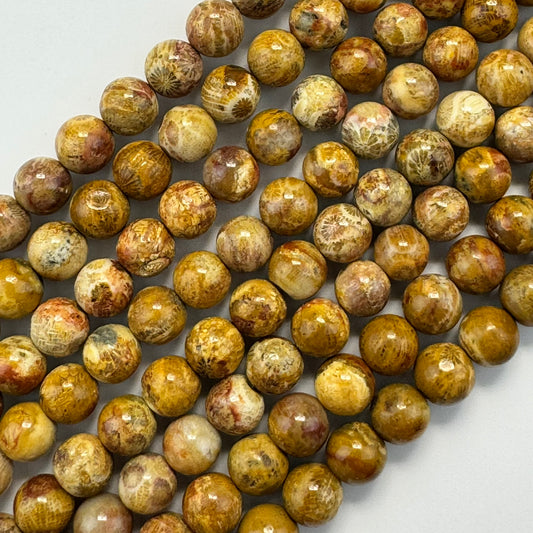
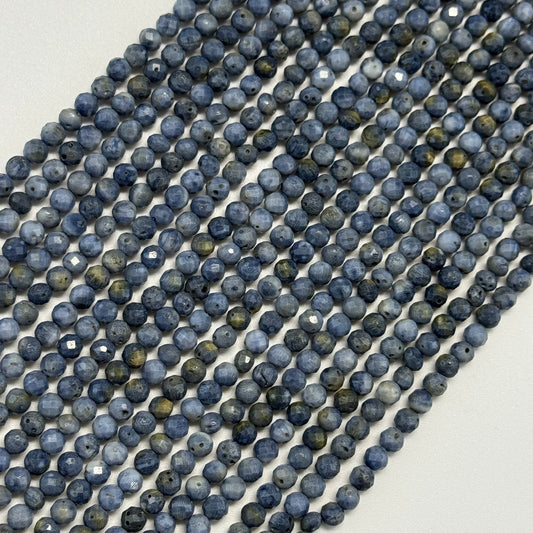
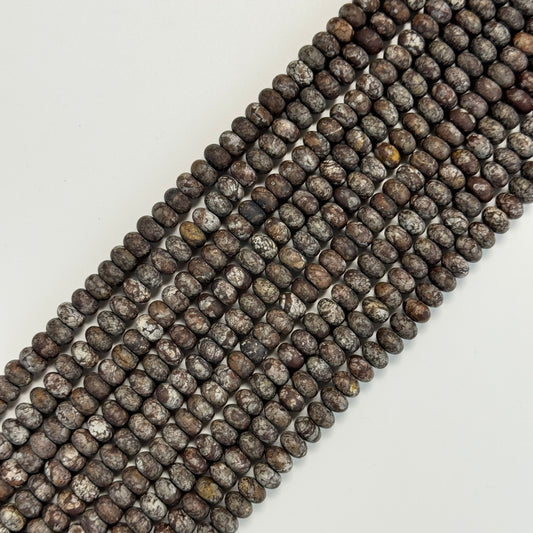
At Reza Gem Collection, we offer various coral varieties, from the Fossilized Coral Beads - Polished Round Beads showcasing warm earthy tones to the vibrant Blue Coral Beads - Faceted Round Beads and Blue Coral Beads - Polished Round. Our collection includes various coral stone options, each displaying the unique beauty of this organic gemstone.
The coral gemstone forms through the accumulation of calcium carbonate secreted by coral polyps over extended periods. These structures grow in warm ocean waters, creating the branching formations that are later harvested and processed into the coral stones used in jewelry. The organic nature of coral makes each piece unique, with natural variations in color, texture, and pattern that add to its character.
- Key characteristics of coral
- Organic gemstone (formed by living organisms)
- Mohs hardness: 3 to 4 (relatively soft, requires careful handling)
- Color: Red, pink, white, black, orange, salmon
- Luster: Vitreous to waxy
- Requires protection from acids and heat
Coral Stone in Different Colors
Coral stone in different colours offers a beautiful range of options, from the deep reds of red coral to the soft pinks, whites, and even rare black varieties. Understanding the coral stone in different colours helps collectors and jewelry makers appreciate the full spectrum of possibilities available in this organic gemstone.
- Red coral: Most popular and valuable variety
- Pink coral: Soft, romantic hues
- White coral: Classic and versatile
- Black coral: Rare and highly prized
- Orange and salmon coral: Warm, vibrant tones
- Blue coral: Ocean-inspired elegance
Red coral represents the most popular and valuable variety, with deep, vibrant red colors being most desirable. This coral stone variety has been treasured for centuries, particularly in Asian cultures where red coral is highly valued for both its beauty and its protective properties. The rich red color of red coral makes it particularly striking in jewelry designs.
Pink coral offers softer, more romantic hues that are perfect for delicate jewelry pieces. White coral provides a classic, versatile option that works well in various design styles. Black coral is rare and highly prized, offering a sophisticated alternative to the more common red and pink varieties. Orange and salmon coral provide warm, vibrant tones that add energy to jewelry designs.
Our collection includes various coral stone colors, from the Fossilized Coral Beads with their warm earthy tones to the vibrant Blue Coral Beads - Faceted Round Beads and Blue Coral Beads - Polished Round. Each coral stone color offers its own unique beauty and character, making coral a versatile choice for various jewelry styles.
Coral vs Other Organic Gemstones
While coral shares the organic nature with other gemstones like pearls and amber, its unique formation and properties set it apart in significant ways. Understanding how coral differs from other organic gemstones helps collectors and crystal practitioners appreciate its distinctive qualities.
- How coral differs from pearls (both organic but different formation)
- Comparison with amber (fossilized vs living organism)
- Relationship with other organic gemstones
- Distinguishing features and characteristics
- Hardness differences across organic gemstones
- Care requirements specific to coral
Coral vs pearls represents an important comparison, as both are organic gemstones but form through different processes. While pearls form inside mollusks as a response to irritants, coral forms through the accumulation of calcium carbonate secreted by coral polyps. This difference in formation creates distinct characteristics, with coral typically being harder than pearls but still requiring careful handling.
When comparing coral vs amber, the relationship becomes clearer, as both are organic materials but amber is fossilized tree resin while coral is formed by living marine organisms. Amber is typically harder than coral and has different care requirements, while coral's connection to the ocean gives it unique metaphysical properties associated with water and life force energy.
Understanding these relationships helps appreciate how coral fits into the broader category of organic gemstones while maintaining its unique identity. Coral's organic nature, combined with its beautiful colors and metaphysical properties, makes it a distinctive choice for jewelry and spiritual practices.
Red Coral: The Most Prized Coral Variety
Red coral stands as the most prized and valuable coral variety, treasured for centuries for its deep, vibrant colors and powerful protective properties. This red coral gemstone has been highly valued in many cultures, particularly in Asia, where red coral is believed to bring protection, vitality, and good fortune. Understanding red coral helps appreciate why this variety has become so highly sought after.
Understanding Red Coral
Red coral represents the most valuable and sought-after coral variety, with deep, vibrant red colors being most desirable. This red coral stone has been traditionally used in jewelry for centuries, making it one of the most culturally significant coral varieties. The red coral gemstone is highly valued in many cultures, especially in Asia, where it's believed to have powerful protective and energizing properties.
- Red coral is the most valuable and sought-after variety
- Deep, vibrant red colors are most desirable
- Traditionally used in jewelry for centuries
- Highly valued in many cultures, especially in Asia
- Red coral stone quality varies based on color intensity and uniformity
- Red coral gemstone is often used in traditional and spiritual jewelry
The red coral stone quality is determined by several factors, including color intensity, uniformity, and overall appearance. The most valuable red coral displays deep, uniform red color throughout, with minimal variations or inclusions. This red coral gemstone quality makes it particularly suitable for high-end jewelry pieces where consistent color is important.
Red coral's cultural significance extends beyond its beauty, as this coral variety has been used in traditional jewelry and spiritual practices for centuries. In many cultures, red coral is believed to bring protection, vitality, and good fortune, making it a meaningful choice for jewelry that serves both aesthetic and spiritual purposes.
- Red coral characteristics
- Most valuable coral variety
- Deep red to orange-red colors
- Traditional use in jewelry for centuries
- Highly prized in Asian cultures
- Believed to have powerful protective properties
Red Coral Benefits and Properties
Red coral gemstone benefits encompass both physical and emotional benefits, making this variety particularly valuable for those seeking stones that support vitality, protection, and overall well-being. The red coral stone benefits have been recognized by crystal healers and metaphysical practitioners who work with this coral variety to support transformation and healing.
- Believed to promote vitality and energy
- Associated with protection and courage
- Traditional healing properties in various cultures
- Spiritual and metaphysical benefits
- Wearing benefits for physical and emotional well-being
- Red coral gemstone benefits include enhanced life force energy
The red coral gemstone benefits make it particularly effective for those working through physical challenges or seeking support during periods of low energy or lack of motivation. Red coral stone benefits focus on vitality and protection, helping individuals experience greater energy while supporting physical health and emotional strength. These red coral benefits extend to various aspects of well-being, from physical vitality to emotional courage.
Many practitioners use red coral gemstone benefits to support root chakra work, finding that the coral enhances grounding and protection while supporting life force energy. The red coral stone benefits make it valuable for those seeking to deepen their connection to physical vitality or work through energetic blockages that prevent courage and strength.
Understanding the benefits of red coral helps crystal practitioners and jewelry wearers appreciate the deeper significance of their pieces. Whether creating a red coral ring for protection or using red coral necklaces for vitality, the red coral gemstone benefits add layers of significance beyond mere aesthetics.
Red Coral Jewelry
Red coral jewelry offers beautiful and powerful options for those seeking pieces that combine exceptional beauty with spiritual significance. From red coral rings to red coral necklaces, these pieces provide both style and spiritual support throughout the day.
- Red coral rings for power and protection
- Red coral necklaces for vitality
- Red coral bracelets for continuous benefits
- Red coral earrings for elegant style
- Traditional and modern red coral jewelry designs
- Red coral jewelry combines beauty with protective properties
A red coral ring makes a powerful statement, combining the coral's unique visual appeal with its protection and vitality properties. Red coral rings provide continuous contact with the coral's energy, making them ideal for those seeking the courage and protection benefits of red coral throughout the day. The red coral ring's deep red color creates a striking appearance that stands out in any jewelry collection.
Red coral necklaces showcase the coral's beautiful red color in wearable, elegant designs. From simple beaded red coral necklaces to elaborate pendant designs, these pieces allow wearers to enjoy red coral's beauty and properties throughout the day. A red coral necklace provides continuous contact with the coral's energy, making it ideal for those seeking the vitality and protection properties of red coral.
Red coral jewelry has been treasured for centuries, with traditional designs often featuring the coral in protective amulets and talismans. Modern red coral jewelry designs incorporate the coral into contemporary styles, creating pieces that honor traditional significance while appealing to modern tastes. Whether choosing traditional or modern designs, red coral jewelry offers both beauty and meaningful energy.
Coral Meaning and Spiritual Properties
The coral meaning and spiritual properties make this organic gemstone particularly valuable for those seeking stones that support protection, vitality, and emotional balance. Understanding the coral meaning helps crystal practitioners and jewelry wearers appreciate the deeper significance of their pieces, beyond mere aesthetic appeal.
The Spiritual Meaning of Coral
The spiritual meaning of coral centers around protection, vitality, life force, and connection to the ocean, making this coral gemstone valuable for those seeking to enhance their ability to manifest intentions and connect with natural energy. The coral meaning encompasses grounding, protection, and spiritual growth, creating a gemstone that supports both personal development and spiritual evolution.
- Symbolizes protection, vitality, and life force
- Associated with the root chakra and grounding
- Believed to enhance courage and strength
- Represents connection to the ocean and nature
- Coral meaning connects to water energy and flow
- Spiritual significance in various cultural traditions
The coral meaning in spiritual traditions emphasizes its role as a protective talisman, bringing vitality and grounding to all aspects of life. Coral meaning connects to the idea that connection to nature and the ocean can lead to greater spiritual understanding and life force energy. This coral spiritual meaning makes it an ideal gemstone for meditation, energy work, and practices focused on protection and vitality.
Understanding the coral meaning helps crystal practitioners and jewelry wearers appreciate the deeper significance of their pieces. Whether creating a coral bracelet for daily wear or using coral stones for meditation, the spiritual meaning of coral adds layers of significance beyond mere aesthetics. The coral meaning encompasses both individual and collective aspects, supporting personal growth while connecting to the natural world.
Coral Gemstone Benefits and Healing Properties
Coral gemstone benefits encompass both physical and emotional benefits, making this organic gemstone valuable for holistic well-being. The coral gemstone benefits have been recognized by crystal healers and metaphysical practitioners who work with this stone to support transformation and healing on multiple levels.
- Emotional healing and stress relief
- Enhanced vitality and energy
- Support for circulatory and bone health
- Aid in overcoming fears and anxiety
- Promotes courage and inner strength
- Coral stone benefits include protection and grounding
The coral gemstone benefits make it particularly effective for those working through emotional challenges or seeking support during periods of stress or anxiety. Coral stone benefits focus on vitality and protection, helping individuals experience greater emotional balance while supporting physical health and spiritual growth. These coral gemstone benefits extend to various aspects of well-being, from emotional healing to physical vitality.
Many practitioners use coral gemstone benefits to support chakra work, finding that the coral enhances grounding and protection while supporting life force energy. The coral stone benefits make it valuable for those seeking to deepen their connection to physical vitality or work through energetic blockages that prevent courage and strength.
Understanding coral gemstone benefits helps crystal practitioners and jewelry wearers appreciate the deeper significance of their pieces. Whether creating coral jewelry for daily wear or using coral stones for healing work, the coral gemstone benefits add layers of significance beyond mere aesthetics.
- Key spiritual properties of coral
- Protection and grounding
- Vitality and life force
- Courage and inner strength
- Emotional healing and balance
- Connection to nature and ocean
Chakra Associations with Coral
Coral's chakra associations focus primarily on the root chakra, though it also connects to the sacral chakra, making this coral gemstone valuable for those working with these energy centers. Understanding how coral connects to chakras helps crystal practitioners use this stone effectively in energy work.
- Root chakra: Grounding and protection
- Sacral chakra: Vitality and creativity
- Connection to life force energy
- Enhancement of physical and emotional strength
- Coral supports overall chakra balance
- Particularly effective for root chakra work
Coral's connection to the root chakra makes it particularly effective for grounding and protection work. The coral gemstone's ability to support life force energy also connects it to the sacral chakra, where it can enhance vitality and creativity. This dual chakra association makes coral a versatile stone for energy work that addresses both grounding and vitality needs.
Understanding coral's chakra associations helps crystal practitioners use this stone effectively in healing practices. Whether using coral for root chakra grounding or sacral chakra vitality work, the coral gemstone provides support for both energy centers, making it a valuable tool in comprehensive chakra healing practices.
Coral Jewelry: Rings, Necklaces, and Elegant Designs
Coral jewelry has gained popularity among those seeking pieces that combine exceptional beauty with powerful spiritual significance. The unique colors and organic nature of coral make it ideal for creating distinctive jewelry that stands out from more common gemstone pieces. Whether creating coral jewelry for personal wear or as meaningful gifts, the options are diverse and beautiful.
Coral Rings: Elegant and Meaningful
Coral rings offer beautiful and powerful options for those seeking continuous contact with coral energy. From simple coral rings to elaborate red coral rings, these pieces provide both style and spiritual support throughout the day.
- Coral rings for everyday elegance
- Red coral rings for power and protection
- Statement rings showcasing coral's natural beauty
- Protective settings essential due to softness
- Traditional and modern coral ring designs
- Coral stone ring designs for spiritual support
A coral ring makes a powerful statement, combining the coral's unique visual appeal with its protection and vitality properties. Coral rings provide continuous contact with the coral's energy, making them ideal for those seeking the courage and protection benefits of coral throughout the day. The coral ring's organic nature creates a distinctive appearance that stands out in any jewelry collection.
Red coral rings are particularly valued for their deep red color and powerful protective properties. A red coral ring provides continuous contact with the coral's energy, making it ideal for those seeking the vitality and protection benefits of red coral throughout the day. The red coral ring's striking appearance makes it a meaningful choice for both everyday wear and special occasions.
Due to coral's relative softness (Mohs hardness 3-4), coral rings require protective settings to prevent damage. Bezel settings or protective prongs help shield the coral from impacts and scratches, ensuring that coral rings remain beautiful and functional for years to come. Understanding coral's softness helps jewelry makers create appropriate designs that protect the coral while showcasing its beauty.
Coral Necklaces and Pendants
Coral necklaces and pendants showcase the coral's beautiful colors and organic nature in wearable, elegant designs. From simple beaded coral necklaces to elaborate pendant designs, these pieces allow wearers to enjoy coral's beauty and properties throughout the day.
- Pendant necklaces showcasing coral's natural beauty
- Beaded coral necklaces for layered looks
- Red coral necklaces for vitality and protection
- Statement pieces featuring large coral beads
- Delicate chains with small coral accents
- Coral beads create beautiful necklace designs
Our Fossilized Coral Beads - Polished Round Beads work perfectly for creating beautiful coral necklaces, whether as simple beaded strands or more complex designs. The Blue Coral Beads - Faceted Round Beads offer additional sparkle and dimension, while the Blue Coral Beads - Polished Round provide smooth, polished surfaces for elegant designs.
A coral necklace allows the coral's natural beauty to take center stage, with settings that protect the coral while highlighting its unique colors and organic patterns. Coral necklaces provide continuous contact with the coral's energy, making them ideal for those seeking the protection and vitality properties of coral throughout the day.
Red coral necklaces are particularly valued for their deep red color and powerful protective properties. A red coral necklace provides continuous contact with the coral's energy, making it ideal for those seeking the vitality and protection benefits of red coral throughout the day. The red coral necklace's striking appearance makes it a meaningful choice for both everyday wear and special occasions.
Coral Bracelets and Earrings
Coral bracelets and earrings offer elegant opportunities to enjoy this beautiful organic gemstone's colors and properties. From simple coral bracelets to elaborate earring designs, these pieces provide both style and spiritual support.
- Beaded coral bracelets for daily wear
- Charm bracelets featuring coral beads
- Stud and drop earrings in various coral colors
- Hoop earrings with coral accents
- Red coral bracelets for continuous benefits
- Coral jewelry offers diverse bracelet and earring options
Coral bracelets offer beautiful and powerful options for those seeking continuous contact with coral energy. From beaded coral bracelets to charm bracelets featuring coral beads, these pieces provide both style and spiritual support throughout the day. A coral bracelet makes a powerful statement, combining the coral's unique visual appeal with its protection and vitality properties.
Coral earrings range from simple stud designs showcasing a single coral bead to more elaborate drop or dangle styles. The unique colors of coral make earrings particularly striking, as the coral's organic nature creates distinctive patterns that catch the light beautifully. Whether choosing simple studs or more elaborate designs, coral earrings offer a distinctive alternative to more common gemstone options.
- Popular coral jewelry types
- Coral rings (fashion, statement, traditional)
- Coral necklaces and pendants
- Coral bracelets (beaded, charm, bangle)
- Coral earrings (studs, drops, hoops)
- Coral beads for custom jewelry
Coral Properties: Physical and Metaphysical Characteristics
Understanding coral properties helps both collectors and crystal practitioners appreciate both the practical and spiritual aspects of this remarkable organic gemstone. The physical properties of coral determine its suitability for various jewelry and crystal applications, while the metaphysical properties add deeper meaning and purpose to coral pieces.
Physical Properties of Coral
The physical properties of coral make it suitable for jewelry and crystal work, though its relative softness requires careful handling and protective settings. These coral properties ensure that with proper care, coral jewelry and crystals can provide years of beauty and enjoyment.
- Mohs hardness: 3 to 4 (relatively soft, requires careful handling)
- Specific gravity: 2.6 to 2.7
- Chemical composition: Calcium carbonate (CaCO3)
- Luster: Vitreous to waxy
- Transparency: Opaque
- Organic origin (formed by marine polyps)
Coral hardness on the Mohs scale of 3 to 4 means it's relatively soft compared to most gemstones, requiring protective settings for rings and bracelets that may encounter more wear. Understanding coral Mohs hardness helps jewelry makers create appropriate designs that protect the coral while showcasing its beauty. The coral stone properties make it suitable for various jewelry types, from pendants and earrings to rings and bracelets with appropriate protective settings.
These coral properties also influence how the coral is cut and polished for jewelry use. Coral's softness allows for both cabochon and carved cuts, providing flexibility in design. The coral gemstone properties make it important to understand the coral's characteristics when making purchasing decisions and care plans, as the organic nature and softness require special consideration.
Coral's chemical composition of calcium carbonate makes it sensitive to acids, which can damage the coral's surface. This coral property requires careful handling and storage, avoiding contact with acidic substances like perfumes, cleaning products, or even certain foods. Understanding coral's acid sensitivity helps ensure proper care and maintenance.
Coral Formation and Harvesting
The formation and harvesting of coral reveal how this beautiful organic gemstone forms and where it can be found. Understanding where coral is found and how it forms helps appreciate the unique nature of this organic gemstone.
- Forms in warm ocean waters through coral polyps
- Found in Mediterranean Sea, Red Sea, and Pacific Ocean
- Harvested from coral reefs (sustainable practices important)
- Takes years to form significant coral branches
- Environmental considerations and sustainability
- Coral stone formation requires specific ocean conditions
Where is coral found? Major sources include the Mediterranean Sea, which produces some of the most famous and highly valued coral specimens; the Red Sea, known for its quality coral; and the Pacific Ocean, which provides various coral varieties. Each location tends to produce coral with characteristic colors and qualities, though red coral from the Mediterranean is particularly valued for its exceptional color and quality.
How is coral formed? The process involves the accumulation of calcium carbonate secreted by coral polyps in warm ocean waters. As these polyps grow and multiply, they create branching structures that form coral reefs. This formation process often occurs over extended periods, with significant coral branches taking years or even decades to develop. The organic nature of coral formation creates unique patterns and colors that make each piece distinctive.
Understanding coral harvesting and sustainability is important, as coral reefs are vital marine ecosystems. Responsible coral harvesting practices ensure that coral collection doesn't harm marine environments, while sustainable alternatives like fossilized coral provide beautiful options that don't impact living reefs. Our Fossilized Coral Beads - Polished Round Beads offer a sustainable alternative that showcases coral's beauty without impacting living coral reefs.
Metaphysical Properties of Coral
The metaphysical properties of coral extend beyond its physical characteristics, encompassing energetic qualities that have been recognized across spiritual traditions. These coral gemstone benefits make it valuable for those seeking stones that support spiritual growth and energy work.
- Protection and grounding
- Vitality and life force
- Courage and inner strength
- Emotional healing and balance
- Connection to nature and ocean
- Coral stone benefits include chakra support
Coral spiritual properties focus on protection, vitality, and connection to natural energy, making this coral gemstone valuable for those working through life changes or seeking deeper spiritual understanding. The metaphysical properties of coral encompass both energetic and spiritual benefits, supporting holistic well-being through personal transformation.
These coral gemstone benefits make it particularly effective for meditation, energy work, and spiritual practices. Many practitioners find that coral enhances grounding experiences, provides support for protection work, and facilitates connection with natural energy. The coral stone benefits make it an ideal gemstone for those seeking to deepen their spiritual practice or work through energetic healing processes.
- Key properties of coral
- Relatively soft, requires protective settings
- Beautiful range of colors from red to white
- Organic gemstone with unique character
- Excellent for carving and bead making
- Valued for both aesthetic and metaphysical properties
Caring for Your Coral: Maintenance and Preservation
Proper care ensures that your coral jewelry and crystals maintain their beauty and optimal energy for years to come. While coral is relatively soft with a hardness of 3-4, understanding how to clean coral and protect it from damage helps preserve both its appearance and energetic qualities. Whether you own a simple coral bracelet or elaborate coral jewelry pieces, proper maintenance is essential.
How to Clean Coral
Learning how to clean coral properly helps maintain its beautiful colors and ensures that your jewelry and crystals continue to look their best. The cleaning process for coral requires attention to the coral's organic nature and potential sensitivity to certain cleaning methods.
- Use warm, soapy water and a soft brush
- Avoid harsh chemicals and acids (coral is calcium carbonate)
- Rinse thoroughly and dry with a soft cloth immediately
- Never use ultrasonic cleaners
- Avoid prolonged water exposure
- Gentle cleaning preserves coral's natural beauty
Cleaning coral regularly helps remove oils, dirt, and accumulated energy that can dull its appearance and affect its energetic properties. The question "how to clean coral" is often asked, and the answer requires careful attention to the coral's organic nature and acid sensitivity. Since coral is composed of calcium carbonate, it's sensitive to acids, making it important to avoid acidic cleaning solutions or substances.
It's important to avoid harsh chemicals when cleaning coral, as these can damage the coral's surface or affect its color. Ultrasonic cleaners should never be used for coral, as the vibrations and cleaning solutions can damage the organic material. Stick to gentle, manual cleaning methods for best results with this beautiful organic gemstone.
After cleaning coral, it's important to dry it immediately with a soft cloth to prevent water spots or potential damage from prolonged moisture exposure. Proper drying helps maintain the coral's luster and prevents potential issues that could affect its appearance or structural integrity.
Storing Coral Jewelry
Proper storage of coral jewelry protects it from damage and helps maintain its appearance between wearings. Understanding how to store coral properly prevents scratches, color loss, and other potential issues.
- Store in soft pouches or individual compartments
- Keep away from harder gemstones to prevent scratching
- Avoid extreme temperature changes
- Protect from direct sunlight to prevent fading
- Keep away from acids and chemicals
- Separate storage prevents damage to coral jewelry
Coral jewelry care includes proper storage practices that protect the organic gemstone from damage. Since coral has a Mohs hardness of 3-4, it can be scratched by harder materials like most other gemstones, metals, or even harder organic materials. Storing coral pieces separately or in individual compartments prevents contact with harder materials that could cause damage.
Protecting coral from direct sunlight helps prevent potential color fading, though coral is generally stable when properly cared for. Storing jewelry in a cool, dark place when not in use helps maintain color integrity and overall appearance. Coral should be kept away from acids and chemicals, as these can damage the calcium carbonate structure of the coral.
Coral can be stored with other soft organic gemstones, but should be kept separate from harder materials. Understanding coral's softness helps ensure proper storage practices that protect the coral while maintaining its beauty and energetic properties.
Protecting Coral from Damage
Understanding how to protect coral from damage helps ensure your jewelry pieces and crystals remain beautiful and functional for years to come. While coral is suitable for jewelry when properly protected, certain precautions help prevent unnecessary wear or damage.
- Remove coral jewelry during strenuous activities
- Avoid exposure to acids, perfumes, and chemicals
- Protect from sharp impacts and pressure
- Use protective settings in rings and bracelets
- Avoid heat which can cause damage
- Regular professional inspection recommended
Coral care includes knowing when to remove jewelry to protect it from damage. While coral is suitable for daily wear in appropriate settings, removing it during activities like sports, gardening, or heavy manual work helps prevent scratches, chips, or other damage. This is especially important for rings and bracelets, which are more likely to encounter impact during daily activities.
Regular inspection helps identify potential issues before they become serious problems. A jeweler can check settings for security, identify any developing cracks or chips, and provide professional cleaning that may be more thorough than home cleaning methods while being safe for the organic coral material.
- Coral care essentials
- Gentle cleaning with mild soap and water
- Separate storage to prevent scratching
- Protection from acids and chemicals
- Avoid extreme temperatures and heat
- Regular professional maintenance
- Never use ultrasonic cleaners
Choosing Quality Coral: What to Look For
Selecting quality coral ensures that your jewelry pieces and crystals will be both beautiful and energetically powerful. Understanding what makes quality coral helps collectors and crystal practitioners make informed decisions when purchasing stones or finished pieces. Whether you're selecting coral beads for a project or choosing a finished coral bracelet, quality considerations remain important.
Color Quality in Coral
Color is one of the most important factors in determining coral quality and value. The best coral displays rich, vibrant colors with good saturation and uniformity, creating the beautiful appearance that makes this organic gemstone so distinctive.
- Rich, vibrant colors are most desirable
- Red coral: Deep, uniform red is most valuable
- Consistent color distribution throughout the piece
- Natural color variations add character
- Color intensity and saturation affect value
- Coral stone in different colours offers various quality levels
When evaluating coral color quality, look for pieces with rich, vibrant colors that show good saturation and uniformity. The most valuable coral displays consistent color distribution throughout, though some natural color variations can add character without significantly affecting the coral's appearance or value. Red coral quality represents the highest standard, with deep, uniform red color being particularly valued.
Our collection includes various coral color options, from the Fossilized Coral Beads with their warm earthy tones to the vibrant Blue Coral Beads - Faceted Round Beads and Blue Coral Beads - Polished Round. Each coral color offers its own unique beauty, with quality determined by color intensity, saturation, and uniformity.
Understanding coral stone in different colours helps appreciate the full range of quality options available. While red coral typically commands the highest prices, other colors like pink, white, and even blue coral offer beautiful alternatives that may be more affordable while still providing excellent quality and beauty.
Texture and Surface Quality
Understanding texture and surface quality is crucial when selecting coral, as these factors significantly affect both appearance and value. Well-polished surfaces with good texture indicate quality and can enhance the coral's overall appearance.
- Smooth, polished surfaces are preferred
- Natural texture patterns can add character
- Fewer visible pores and imperfections
- Good polish enhances luster
- Natural vs. treated considerations
- Coral stone texture affects overall quality
Coral texture quality recognizes that smooth, well-polished surfaces indicate quality craftsmanship and care in processing. Understanding what's normal for coral texture helps set appropriate expectations when selecting coral pieces. Natural texture patterns can add character to coral, while excessive roughness or visible imperfections may indicate lower quality or inadequate processing.
When evaluating coral texture, consider how the surface finish affects both appearance and durability. Well-polished coral surfaces are less likely to accumulate dirt or show wear, while good texture enhances the coral's natural luster. The coral stone texture should feel smooth to the touch, with any natural patterns adding character rather than detracting from quality.
Size and Cut Quality
The quality of the cut and size significantly affects coral's appearance and desirability. Well-cut and polished coral displays better appearance, more even color distribution, and overall superior quality compared to poorly finished stones.
- Larger, high-quality pieces are more valuable
- Well-shaped beads and cabochons
- Proper proportions for the intended design
- High-quality polish enhances appearance
- Natural vs. synthetic considerations
- Consistent sizing in beaded varieties
Coral cut quality should display smooth, well-polished surfaces with even shapes and good symmetry. Our various coral bead options demonstrate high-quality cutting and polishing, from the smooth polished round beads to the precisely faceted forms. Each shape showcases coral's natural beauty while maintaining excellent finish quality.
For beaded coral, consistent sizing and shape are important quality indicators. Well-made coral beads will be uniform in size and shape, allowing for even stringing and professional-looking finished jewelry. Our collection includes various shapes and cuts, each demonstrating quality craftsmanship in cutting and polishing.
- Quality factors for coral
- Rich, vibrant color saturation
- Smooth, well-polished surfaces
- Good texture with minimal imperfections
- Appropriate size for intended use
- Natural vs. synthetic/treated considerations
- Red coral typically most valuable
At Reza Gem Collection, we carefully select our coral products to ensure they meet high quality standards. Whether you're choosing Fossilized Coral Beads - Polished Round Beads for a classic necklace, Blue Coral Beads - Faceted Round Beads for a sophisticated bracelet, or Blue Coral Beads - Polished Round for smooth elegance, you can trust that each piece has been evaluated for quality and beauty. Our commitment to quality means that every coral stone in our collection represents the best of what this beautiful organic gemstone has to offer, combining exceptional colors with the protection and vitality properties that make coral so highly valued.
Frequently Asked Questions
What is coral used for in jewelry making?
Coral is widely used in jewelry making for its vibrant colors and organic beauty. It is fashioned into beads, cabochons, and carvings for necklaces, bracelets, rings, and earrings.
What colors do coral beads come in?
Coral beads come in a range of colors including red, pink, orange, white, and occasionally black or blue, depending on the coral species and treatments.
Are coral beads natural or treated?
Coral beads can be natural or treated. Some are dyed or heat-treated to enhance their color, but natural untreated coral beads are more valuable and prized.
How do I care for coral jewelry?
Coral is an organic material that requires gentle care. Avoid exposure to chemicals, perfumes, and prolonged sunlight. Clean with a soft damp cloth and store separately from harder gemstones.
Are coral beads durable for everyday wear?
Coral is relatively soft compared to other gemstones, so coral bead jewelry should be worn with care and avoided during rough activities to prevent scratches or damage.
What styles of jewelry commonly feature coral beads?
Coral beads are popular in bohemian, vintage, Mediterranean, and Native American jewelry styles, often used in necklaces, bracelets, and earrings.
Can coral beads be combined with other gemstones?
Yes, coral beads pair beautifully with turquoise, lapis lazuli, pearls, and various metals, creating vibrant and harmonious jewelry designs.
Is coral jewelry considered sustainable?
Sustainability depends on the sourcing of coral. Ethically harvested coral from sustainable sources helps protect marine ecosystems while providing beautiful materials for jewelry.
What metaphysical properties are attributed to coral?
Coral is believed to promote emotional healing, vitality, protection, and to strengthen connections with the natural world and the ocean’s energy.
How can I tell if coral beads are real?
Real coral beads have a natural grain and organic patterns. They feel warm to the touch, while imitations made from plastic or glass are usually cooler and more uniform in appearance.
What sizes do coral beads come in?
Coral beads come in a variety of sizes ranging from tiny seed beads (1-2mm) to larger statement beads over 10mm, suitable for different jewelry designs.
Can coral beads be matte or polished?
Yes, coral beads can be finished in either matte or polished surfaces, depending on the desired style and texture in the jewelry design.
Are coral beads suitable for sensitive skin?
Generally, coral beads are hypoallergenic and safe for most people to wear, but it’s always best to test for any sensitivity, especially with dyed or treated coral.
How do I store coral bead jewelry?
Store coral bead jewelry separately in soft pouches or boxes to avoid scratches from harder stones and protect it from humidity and chemicals.
Can coral beads be used in men’s jewelry?
Yes, coral beads are versatile and can be used in men’s bracelets, necklaces, and rings, especially when paired with leather, wood, or metal accents.
What is the price range for coral beads?
The price depends on the quality, color, size, and whether the coral is natural or treated. Natural red and deep pink corals tend to be the most expensive.
How long does coral jewelry last?
With proper care, coral jewelry can last for many years, retaining its color and beauty. However, it is more delicate than many other gemstones.
Is there a difference between Mediterranean and Pacific coral?
Yes, Mediterranean coral is often red and highly prized, while Pacific coral includes a wider range of colors like pink, orange, and white, each with different textures and qualities.
Can coral beads be restrung or repaired easily?
Yes, coral bead jewelry can be restrung or repaired like most bead jewelry, but care must be taken due to the beads’ softer nature to avoid damage during handling.
Why is coral important in cultural jewelry?
Coral holds symbolic meaning in many cultures, representing protection, health, and status. It is often used in traditional adornments and ceremonial jewelry worldwide.