Crystal: Amethyst, Citrine, Selenite, and Where to Find Them in a Crystal Shop

The Timeless Appeal of Crystals
How crystals have been valued across history
Crystals have captivated people for thousands of years, long before modern gemology existed. Ancient Egyptians carved crystal amulets for protection and guidance, while Greek and Roman cultures used quartz and amethyst in signet rings, seals, and ceremonial objects. In Asia, jade, clear quartz, and other stones were woven into royal jewelry, armor, and temple decor as symbols of power and spiritual connection. Many cultures believed specific crystals held protective or luck‑bringing energies, so they were carried on journeys, sewn into clothing, or placed in sacred spaces. Over time, crystals moved from royal treasuries into everyday adornment, but their symbolism stayed—love, protection, clarity, courage, and good fortune. Today’s crystal enthusiasts are part of this same long story, choosing stones not just for color and sparkle, but for the meanings and traditions that come with them.
Crystals as symbols of energy and spirituality
Modern crystal lovers often see stones as physical reminders of intentions—calm, focus, creativity, or self‑love. While scientific evidence for metaphysical properties is limited, many people report that wearing or working with crystals helps them feel more grounded and mindful. Different crystals have become shorthand for specific energies: amethyst for intuition, citrine for confidence and abundance, selenite for cleansing, and clear quartz for amplification. In meditation or yoga practices, crystals can act as tactile anchors to return the mind to the present moment. In jewelry making, designers intentionally combine stones that complement one another energetically and aesthetically, such as grounding hematite with uplifting citrine. Whether you approach crystals spiritually, psychologically, or purely aesthetically, their long association with energy and meaning adds an extra layer of depth to every bead, pendant, or decor piece you create or wear.
Amethyst Crystal: Meaning and Uses
Emotional and spiritual significance of amethyst
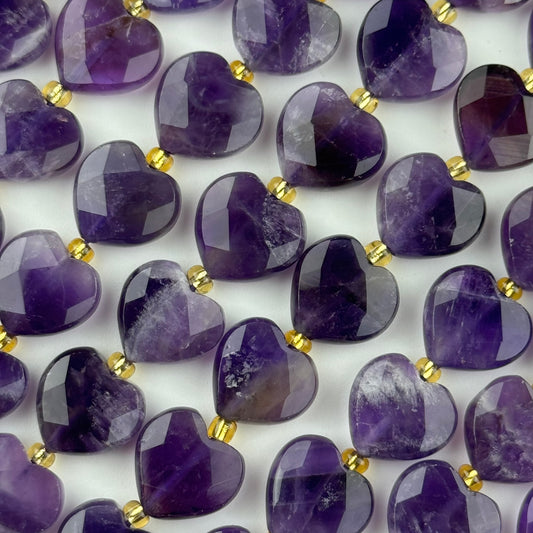
Amethyst is one of the most beloved crystals because it balances beauty with a calm, steady energy. Traditionally linked to the crown and third‑eye chakras, it’s associated with intuition, mental clarity, and spiritual growth. Many people use amethyst as a support for stress relief, placing it on a bedside table, meditation altar, or work desk to encourage a more peaceful atmosphere. Emotionally, it’s often chosen for calming overthinking, easing anxiety, and supporting better sleep routines. Symbolically, amethyst represents sobriety and clear judgment; in ancient Greece it was even worn to “ward off intoxication” of both wine and emotion. Whether or not you lean into those meanings literally, amethyst carries a long cultural history as a helper for balance—supporting you when you’re processing big decisions, healing from emotional overload, or simply wanting more serenity in your day.
How amethyst is used in jewelry and healing
In jewelry design, amethyst works beautifully in both delicate and bold pieces. Its purple color pairs well with silver, white gold, and rose gold, and looks rich alongside clear quartz, moonstone, or darker stones like onyx. Beads can be cut into rounds for mala bracelets, faceted rondelles for sparkling necklaces, or statement points for pendants. Many people choose amethyst bracelets or necklaces specifically for everyday “calming support” and as a reminder to slow down. In crystal healing contexts, amethyst is often placed on the forehead during meditation, used in grids for peaceful sleep, or combined with other soothing stones such as lepidolite and selenite. Even if you approach it from a purely aesthetic standpoint, amethyst’s durability and color range—from pale lavender to deep royal purple—make it one of the most versatile and wearable crystals in any collection.
Citrine Crystal: Meaning and Uses
Emotional and spiritual significance of citrine
Citrine is frequently called the “sunshine stone” because of its warm yellow color and associations with joy, confidence, and abundance. In many modern crystal traditions, citrine is linked to the solar plexus chakra—the center of willpower, self‑belief, and personal energy. People are drawn to citrine when they want to boost motivation, attract new opportunities, or approach projects with a more optimistic mindset. It’s often recommended for entrepreneurs, creatives, and students who need a little extra courage to share their work with the world. Emotionally, citrine is associated with releasing old doubt and stepping into a more empowered identity. Some practitioners also use it as an “energetic cleanser,” believing it doesn’t hold negativity as easily as other stones. Whether you treat those ideas symbolically or spiritually, citrine’s bright presence naturally lends itself to themes of hope, growth, and success.
How citrine is used in jewelry and healing
Designers love citrine because it brings warmth and light into a piece without overpowering other elements. Faceted citrine beads catch the light beautifully in bracelets and necklaces, while smooth rounds or nuggets work well in everyday stretch bracelets. It pairs nicely with grounding stones—such as smoky quartz or black tourmaline—when you want both confidence and stability in a design. In energy work, citrine is often placed over the solar plexus area during meditation or used in grids for career growth and financial goals. People may keep a citrine point on their desk as a symbolic reminder of productivity and positive mindset. Because it’s part of the quartz family, citrine is durable enough for regular wear, making it a practical choice for rings, earrings, and daily bracelets that blend metaphysical meaning with long‑lasting style.
Selenite Crystal: Meaning and Uses
Emotional and spiritual significance of selenite
Selenite is cherished for its soft, luminous appearance and its reputation as a cleansing and calming stone. Named after the Greek moon goddess Selene, it carries a gentle, lunar quality that many people associate with emotional reset and energetic clearing. In crystal circles, selenite is thought to help clear stagnant energy from a person or space, making it popular for use around doorways, desks, and meditation areas. Emotionally, it’s often recommended for people who feel heavy, cluttered, or overstimulated, acting as a visual and symbolic reminder to release tension. Its association with higher chakras—particularly the crown—ties it to themes of spiritual connection, clarity, and inner peace. Even if you view these ideas metaphorically, holding or looking at selenite can encourage a slower breath and softer mood, which is why so many people keep it within arm’s reach during reflective moments.
How selenite is used in jewelry and healing
Because selenite is relatively soft and can be scratched or dissolved by water, it’s more commonly used in wands, towers, plates, and decorative pieces than in high‑wear jewelry. However, when carefully cut and polished, it can make striking pendants or large statement beads, especially in pieces that are worn gently rather than daily. In energy practices, selenite wands are often used to “comb” through the aura or lightly sweep over the body to symbolically clear tension. Selenite plates are popular for placing other crystals on, with the idea that it helps refresh their energy. Many people like to keep a selenite bar on their work table or beside the bed as part of an evening wind‑down ritual. Even for purely decorative use, its milky glow and striated texture add a serene, high‑vibe look to any crystal collection or altar setup.
Crystal Names and Their Cultural Meanings
How crystal names influence people’s choices
Crystal names often carry powerful associations that subtly influence buying decisions. A customer hearing “rose quartz” may immediately think of love and softness, while “tiger’s eye” evokes strength, courage, and a protective vibe. These impressions come from a mix of historical lore, color psychology, and modern metaphysical marketing. Names like “angelite,” “sunstone,” or “labradorite” feel different emotionally, and jewelry makers can lean into those moods when writing product descriptions or designing collections. Even trade names and nicknames—such as “dragon’s blood,” “merlinite,” or “super seven”—shape how people imagine and interact with the stone before they ever hold it. When you understand the stories attached to a crystal’s name, you can choose stones that match your design’s intention and communicate that clearly to your customers. The right name can turn a beautiful bead into a meaningful talisman in the wearer’s mind.
Ancient vs. modern crystal naming
Historically, many crystal names came from Greek or Latin words describing color, location, or believed effects—such as “amethystos” (“not intoxicated”) for amethyst or “citrina” for lemon‑colored quartz. Other stones were named after the regions where they were first mined, like “Larimar” from the Dominican Republic, or after mythic and royal figures. In modern times, new trade names and marketing terms have joined the old ones, sometimes giving a familiar stone a fresh identity. For example, certain jaspers and chalcedonies are sold as “orchid agate,” “kiwi jasper,” or “ocean jasper,” each name crafting a specific mood or story. While this can be inspiring, it can also be confusing for customers trying to understand what they’re buying. As a maker or collector, learning both the traditional mineral name and popular trade names helps you speak to both worlds—honoring geological accuracy while still tapping into the imaginative appeal of modern crystal culture.
The Emotional and Healing Value of Crystals
Why people use crystals for meditation and energy
Many people are drawn to crystals because they offer something tangible to hold during intangible emotional or spiritual experiences. In meditation, a crystal can act as a physical “anchor” that gives the hands something to rest on and the mind a focal point, making it easier to stay present. Different stones are chosen to symbolize different intentions—calm, courage, insight, self‑worth—and simply selecting a stone each day can become a micro‑ritual of self‑reflection. Even for those who approach crystals metaphorically rather than literally, the act of assigning meanings can be a helpful way to articulate goals and emotions. Some practitioners also incorporate breathing exercises, visualization, or affirmations while holding crystals, creating a consistent pattern that the nervous system begins to associate with relaxation or focus. Over time, the crystal becomes a visual and tactile reminder of that inner work, reinforcing new habits and perspectives.
Modern crystal healing trends
Contemporary crystal healing blends ancient folklore with new‑age and wellness culture. You’ll see crystals featured in yoga studios, therapy offices, skincare lines, and interior design, often combined with practices like breathwork, sound baths, and aromatherapy. Popular trends include chakra‑based sets, intention bracelets (for love, protection, abundance, confidence), and crystal water bottles or elixirs—though it’s crucial to research safety before placing any stone in water. Social media has amplified interest, with many creators sharing personal rituals, altar setups, and manifestation practices involving crystals. At the same time, more people are asking critical questions about sourcing, cultural appropriation, and the importance of seeing crystals as supportive tools rather than quick fixes. For jewelry designers and shop owners, staying informed about these conversations helps you present crystals in a grounded, respectful way that honors both your customers’ beliefs and the stones themselves.
Crystals in Daily Life and Fashion
Jewelry and decorative uses for crystals
Crystals have moved far beyond niche metaphysical shops into mainstream fashion, home decor, and lifestyle design. In jewelry, they’re used in everything from minimalist stacking bracelets to bold, wire‑wrapped statement pieces. Neutral stones like clear quartz, moonstone, and smoky quartz fit easily into everyday wardrobes, while brighter stones such as amethyst, citrine, and turquoise add color and personality. At home, crystal points and clusters appear on coffee tables, bookshelves, desks, and bedside stands as both decor and conversation starters. Some people coordinate crystals with room intentions—soothing stones like amethyst in the bedroom, energizing citrine or carnelian in the office. Crystals are also incorporated into hair accessories, handbags, phone charms, and even clothing embellishments. For designers, this versatility means you can create cohesive collections that move from body to space, using the same stones in wearable pieces and matching decor.
Demand for natural crystals in design
As handmade and “slow fashion” movements grow, more customers are looking for authentic materials with a story, and natural crystals fit that desire beautifully. They offer unique variations in color, pattern, and inclusions, so no two pieces are exactly alike—something mass‑produced materials can’t match. Designers respond by highlighting the natural character of each stone rather than hiding it, often including notes about origin, grade, and metaphysical associations. At the same time, there is an increasing awareness of synthetic and dyed materials, so transparency about treatment becomes a selling point. Customers are also more curious about where stones come from and whether miners and lapidaries are treated fairly. If you can communicate not only the look but also the story and sourcing behind your crystals, you’ll stand out to buyers who value ethics as much as aesthetics in their jewelry and decor purchases.
Crystals as Collectible and Investment Items
Rare and sought-after crystals
Beyond everyday beads and tumbled stones, there is a thriving world of crystal collecting centered around rare species, unusual formations, and high‑grade specimens. Minerals like tanzanite, sugilite, charoite, and high‑clarity tourmaline can command significant prices, especially when they exhibit strong color, size, and minimal damage. Even more common minerals become collectible when they form in exceptional ways—think of amethyst cathedral geodes, perfectly terminated quartz clusters, or fluorite cubes with vivid zoning. For some collectors, the appeal is scientific and aesthetic; for others, it’s also energetic and symbolic. While crystals shouldn’t be treated as guaranteed financial investments, truly rare and high‑quality pieces can hold or increase value over time, particularly when well documented. If you’re a jewelry maker, offering a small selection of standout specimens alongside your beadwork can appeal to customers who love both wearable art and display‑worthy pieces.
Collecting crystals as a hobby
Crystal collecting is an accessible hobby because you can start small—with a single tumbled stone or a few beads—and gradually build a collection that reflects your tastes and interests. Some people focus on color families, chakra themes, or specific minerals, while others collect pieces from different countries or famous localities. The process of researching stones, visiting gem shows, and talking with reputable vendors can be as rewarding as the crystals themselves. Many collectors enjoy arranging their stones in grids, shelves, or shadow boxes, turning their collections into evolving art displays. Over time, you may find that certain pieces carry personal memories—trips taken, milestones celebrated, or intentions set—adding emotional value beyond their appearance or market price. Whether you display them, wire‑wrap them, or incorporate them into larger artworks, crystal collecting can be a deeply personal and creatively satisfying practice.
Shopping for Crystals
What to look for in a crystal shop
When choosing a crystal shop, look for more than just pretty displays. A good shop—online or in person—will be transparent about what they sell, clearly labeling stones with accurate names, origins when known, and any treatments (such as dyeing, stabilization, or heat). Staff or owners should be willing to answer questions without pressure, and they’ll happily provide extra photos, measurements, or videos for higher‑value items. Pay attention to how stones are stored and displayed; carefully handled crystals and organized inventory suggest respect for both product and customer. Reviews can also reveal a lot about packaging quality, shipping speed, and customer service. Finally, consider whether the shop shares information about ethics and sourcing. Even if they’re still improving in this area, a willingness to talk openly about suppliers and mining regions is a positive sign.
Online vs. physical crystal stores
Both online and physical crystal shops have advantages, and many collectors use a mix of both. Local stores let you see colors, clarity, and flash in person, and you can feel the weight and texture of a stone before buying. You might also discover new minerals through in‑store displays or conversations with staff. Online shops, however, offer a vastly larger selection and make it easier to compare prices, read long‑form descriptions, and shop by specific intention or project. Good online shops provide multiple photos, videos, and clear size information, so you know exactly what you’re getting. They may also offer educational blog posts and guides that help you choose the right stones. Ultimately, the best choice is the one that fits your budget, location, and comfort level—many crystal lovers enjoy the tactile experience of local shopping plus the variety and convenience of trusted online sellers.
Ethical and Sustainable Crystal Sourcing
Why sourcing matters
As interest in crystals grows, so does concern about how they’re mined, cut, and brought to market. Crystals don’t appear magically on a shop shelf; they move through a long chain of miners, traders, cutters, and wholesalers. In some regions, mining can involve unsafe working conditions, low wages, or environmental damage. For many buyers, it’s important that their spiritual or wellness practices don’t unintentionally support harm. That’s why sourcing matters—asking questions about origin, small‑scale vs. industrial operations, and whether the supply chain supports local communities. While it can be difficult to trace every bead perfectly, shops that prioritize long‑term relationships with trustworthy suppliers, transparency about origin when known, and realistic pricing (not “too cheap to be fair”) are moving in the right direction. Each mindful purchase helps encourage better practices in an industry that is still learning how to be more ethical and sustainable.
Choosing environmentally friendly crystals
You can’t mine anything without some impact, but you can make choices that reduce harm. One approach is to favor stones from regions with stronger labor and environmental regulations or from small artisanal operations that prioritize careful extraction. Another is to focus on stones that are by‑products of other mining industries (such as quartz and fluorite) rather than driving demand for highly destructive practices. Recycled materials—like repurposed vintage beads and upcycled jewelry—are also an increasingly popular option. When shopping, you can ask vendors whether they know the mine or region, how long they’ve worked with their suppliers, and whether they support any local projects or charities in mining communities. Even small steps, like buying fewer but higher‑quality pieces and caring for them well, contribute to a more sustainable relationship with the earth and the people who bring these crystals into our hands.
Crystals in Science and Technology
How crystals are used in modern applications
Beyond jewelry and metaphysical use, crystals play a huge role in modern technology. Quartz, for example, is essential in timekeeping; tiny quartz oscillators regulate watches, clocks, and many electronic devices because they vibrate at extremely stable frequencies. Silicon, derived from quartz, underpins the microchips that power computers and smartphones. Synthetic crystals such as lab‑grown sapphire are used as scratch‑resistant watch faces and durable smartphone components. Piezoelectric crystals convert mechanical pressure into electrical signals, which is useful in microphones, sensors, and medical ultrasound devices. Even lasers rely on specific crystal structures to amplify light in controlled ways. Knowing this, it’s easy to see why crystals fascinate both scientists and spiritual practitioners—they represent a bridge between the physical laws of the earth and the complex tools and experiences humans create from them.
Unique physical properties of popular crystals
Each crystal species has a particular internal structure that gives it unique optical and physical properties. Birefringent stones, like calcite, split light into two rays, creating interesting visual effects. Labradorite and moonstone show iridescent flashes due to light interacting with layered internal structures, while opal’s play‑of‑color comes from tiny silica spheres arranged in a delicate grid. Hardness, measured on the Mohs scale, helps determine how well a stone will resist scratching—diamonds sit at 10, quartz at 7, and softer stones like selenite around 2.5. Cleavage describes how a mineral tends to break, which is why some gems are more challenging to cut or wear in rings. For jewelry makers and collectors, understanding these properties isn’t just academic—it directly affects design decisions, durability expectations, and care instructions you share with customers who want their favorite crystals to last.
Crystals in Culture and Spirituality
Traditions and rituals involving crystals
Crystals and stones appear in cultural and spiritual traditions around the world, often woven into rituals of protection, healing, and ceremony. Ancient Mesopotamians engraved seals from lapis and carnelian, Egyptians placed stones in tombs and crowns, and many Indigenous cultures used specific rocks and minerals in tools, art, or spiritual practices. In contemporary spirituality, people might place crystals on altars, carry pocket stones as personal talismans, or use them in energy practices such as Reiki. Some create moon‑charging rituals, crystal grids, or intention‑setting ceremonies at the start of a season or new project. While modern crystal practices are a blend of global influences, it’s important to approach them with respect—acknowledging the cultural roots of certain traditions and avoiding appropriation. Used thoughtfully, crystals can become part of personal rituals that honor both the earth and the diverse wisdom of the cultures that have cherished them.
How crystals connect to personal identity
For many people, crystals are more than aesthetic objects; they become symbols of who they are and what they value. Someone drawn to soft pink stones might see themselves as nurturing and heart‑centered, while a person who loves bold, dark crystals might identify with strength, mystery, or protection. Wearing certain stones can feel like putting on emotional armor or a visible reminder of personal growth. Collections often reflect life chapters—stones chosen during times of grief, excitement, travel, or transformation. In jewelry design, offering pieces that speak to different archetypes (the healer, the artist, the leader, the seeker) allows customers to see themselves reflected in your work. Crystals also connect people to communities; many find friendships and support through crystal shops, gem shows, and online groups where they can share stories, trade pieces, and explore what these stones mean to them.
The Future of Crystals in Modern Life
Emerging trends in crystal usage
Looking ahead, crystals are likely to remain woven into both wellness culture and design. We’re already seeing more intentional collaborations between crystal enthusiasts, therapists, and educators—integrating stones into mindfulness apps, guided journals, and therapeutic tools in symbolic rather than prescriptive ways. In fashion and interiors, there’s a shift toward subtler, more integrated uses: small inlays in furniture, hardware, or architectural details instead of only standalone clusters. On the metaphysical side, curated sets tailored to specific life phases—such as burnout recovery, creative expansion, or boundary‑setting—are becoming more popular than generic “starter kits.” As conversations about ethics and environmental impact intensify, brands that can demonstrate traceable sourcing and fair partnerships will stand out. Overall, the trend is moving away from crystals as quick‑fix charms and toward crystals as long‑term companions for reflection, creativity, and connection.
How crystals continue to remain relevant
Crystals endure because they sit at the intersection of nature, art, and story. In a digital world, holding a cool, weighty stone is a reminder that we’re part of a physical planet with deep history. Each crystal is a piece of geological time you can carry in your pocket, wear on your wrist, or place on your desk. As long as people seek meaning, beauty, and a sense of grounding, crystals will have a place in our lives—whether as scientific curiosities, design elements, spiritual tools, or all three. For makers and shop owners, this means there will always be room to reinterpret how crystals are presented and used. Thoughtful education, ethical choices, and creative design will keep crystals relevant, not just as trends, but as enduring companions in how we decorate, adorn, and understand ourselves.
Where to buy crystal beads?
You can buy high-quality crystal and gemstone beads directly from Reza Gem Collection. Our shop offers handpicked strands, loose beads, and jewelry-making supplies curated by a gemologist, with worldwide shipping and support for both beginners and professional designers.
What is the difference between crystals and gemstones?
“Crystal” refers to a solid material whose atoms are arranged in an orderly, repeating pattern, while “gemstone” usually describes a mineral (or organic material) that is beautiful, durable, and rare enough to be used in jewelry. Many gemstones are crystals—like amethyst or citrine quartz—while some crystals are sold mainly as decor or for metaphysical use rather than as faceted gems.
Are crystal beads natural or synthetic?
Crystal beads can be either natural or man-made. Natural crystal beads are cut from genuine minerals like quartz, amethyst, or fluorite. Synthetic or glass crystals, such as Swarovski-type beads, are manufactured for high brilliance and consistent color. At Reza Gem Collection, we focus on natural gemstone beads and clearly indicate when materials are man-made or treated.
Which crystals are best for beginners?
For beginners, it’s helpful to start with a small group of versatile stones: clear quartz (amplifying and neutral), amethyst (calming and intuitive), rose quartz (heart and self-love), citrine (confidence and abundance), and black tourmaline or hematite (protection and grounding). These stones are easy to find, durable enough for everyday jewelry, and cover a wide range of intentions and design styles.
How do I choose the right crystal for me?
Many people choose crystals by combining intuition and research. You might start by noticing which colors or stones you’re naturally drawn to, then read about their traditional meanings and physical properties. Consider what you want support with—calm, focus, creativity, protection—and pick a stone that symbolically fits that theme. When shopping, look for pieces that feel good in your hand and are ethically sourced.
Can crystals really affect my energy?
Scientifically, there is limited evidence that crystals directly change human energy fields, but many people find them helpful as symbols and tools for mindfulness. Holding or wearing a crystal can remind you of intentions like staying calm, speaking kindly, or trusting yourself. Whether you see the effects as energetic, psychological, or ritual-based, crystals can support personal practices that make you feel more grounded and focused.
How do I cleanse or charge my crystals?
Common methods include gently rinsing sturdy stones with water, wiping them with a soft cloth, placing them in moonlight, using sound (like a singing bowl), or visualizing light clearing them. Always check a stone’s hardness and sensitivity before using water or salt; soft stones such as selenite, malachite, or turquoise should not be soaked. Intention is key—choose a ritual that feels respectful and safe for the stone.
Which crystals are safe to put in water?
As a general rule, quartz family stones (clear quartz, amethyst, citrine, smoky quartz, rose quartz) are considered relatively safe for brief contact with clean water, while soft or copper-based stones—like selenite, malachite, azurite, and many metallic minerals—should be kept dry. Because there are many exceptions, it’s safest to keep most crystals out of drinking water and instead place them around your space.
What crystals are good for anxiety and stress?
Popular choices for soothing energy include amethyst, lepidolite, rose quartz, blue lace agate, and smoky quartz. These stones are often carried in pockets, worn as bracelets, or placed by the bedside as visual and tactile reminders to breathe more slowly and treat yourself gently. While they are not a replacement for professional care, they can complement self-care practices and calming rituals.
Which crystals are used for love and relationships?
Rose quartz is the classic crystal for love, compassion, and self-acceptance. Other supportive stones include rhodonite (healing after conflict), garnet (passion and devotion), and emerald (heart-centered loyalty). Many people wear these crystals as necklaces near the heart or as matched bracelets for couples. Focusing on self-love first often makes relationship-focused crystal work feel more grounded and balanced.
What crystals support abundance and career success?
Citrine is strongly associated with abundance, confidence, and new opportunities. Other favorites for career and manifestation work include pyrite (focus and drive), green aventurine (luck and growth), and tiger’s eye (courage and practical action). Designers often create “abundance bracelets” or desk decor sets using these stones as symbolic reminders of goals and disciplined effort.
How should I store my crystals and crystal beads?
Store crystals in a clean, dry place away from direct sunlight if they’re prone to fading (like amethyst, rose quartz, or kunzite). Use soft pouches, compartment boxes, or lined trays to prevent scratches, especially for faceted beads or softer stones. Keep sterling silver findings separately to reduce tarnish, and label your stones by name and origin so you can easily plan future designs and collections.
Can I wear crystal jewelry every day?
Many crystals—especially those in the quartz, garnet, and corundum families—are hard enough for daily wear. Softer stones like selenite, malachite, opal, or fluorite need more care and are better in pendants or earrings than in rings or tight bracelets. Everyday wear is fine as long as you remove jewelry before heavy work, sports, strong chemicals, or long soaks in water.
What is the best stringing material for crystal beads?
The best stringing material depends on your design. For stretch bracelets, a strong elastic cord like 0.7–1.0 mm is common. For professional knotting, silk or nylon bead cord works well. For long-wearing designs, stainless-steel beading wire with a nylon coating is a great choice, especially for heavier stones. Always match cord thickness to bead hole size and the weight of your crystals.
Are dyed or treated crystals less powerful?
From a metaphysical perspective, opinions differ. Some people prefer completely natural stones, while others are comfortable with heat-treated or dyed crystals as long as the treatment is disclosed. Energetically, intention and how you work with the stone may matter more than whether its color was enhanced. From a shopping perspective, transparency is key—choose sellers who clearly label any treatments so you can decide what feels right for you.
How do I know if a crystal is real?
Authenticity checks include examining color, clarity, weight, temperature, and price. Natural stones often have minor inclusions or variations, whereas glass can look overly perfect with bubble-like flaws. Real crystals feel cool to the touch and heavier than plastic. If a price seems too good for a rare stone, be cautious. Buying from reputable shops like Reza Gem Collection, which specialize in gemstone beads and label materials clearly, is the safest approach.
Which crystals are most popular for bead bracelets?
Bestsellers for bead bracelets include amethyst, rose quartz, clear quartz, citrine, black onyx, tiger’s eye, labradorite, and garnet. These stones combine good durability with strong visual appeal and widely recognized meanings. Many makers also add a few accent beads in metal, pearl, or contrasting gemstones to create themed collections like protection, love, abundance, or grounding sets.
Can children wear crystal jewelry?
Children can wear crystal jewelry, but safety and durability are crucial. Choose smooth, larger beads with strong cord and secure clasps to prevent choking hazards. Avoid very soft or toxic stones, and do not let young children chew on beads. Lightweight bracelets or necklaces made from hard, non-toxic stones can be a sweet way to introduce kids to crystals as long as an adult supervises their use.
How often should I cleanse or refresh my crystals?
There’s no strict rule; many people cleanse crystals when they feel heavy, after intense emotional periods, or when starting a new intention. Some choose a regular schedule—weekly, monthly, or at the new moon—while others do it intuitively. Gentle methods like smoke, sound, breath, or intention-based visualization are suitable for most stones and can be integrated into other self-care practices.
Can I mix different crystals in one piece of jewelry?
Yes, mixing crystals is common and can create both visual and energetic harmony. Many makers design around a main theme, such as calm or courage, then combine stones whose traditional meanings support that intention. For example, a calming bracelet might blend amethyst, rose quartz, and howlite. Just be mindful of hardness and care requirements so you don’t combine very soft stones with much harder ones that could scratch them.
Does the shape of a crystal bead change its meaning?
The core symbolism of a stone usually stays the same regardless of shape, but different cuts can emphasize certain themes. Rounds and ovals feel soft and balanced, points are often used for directing or focusing energy, and hearts highlight love and compassion. From a design perspective, shapes also affect how a piece drapes and moves. Many people intuitively choose shapes that match how they want a piece to feel and look on the body.