Gemstones & Precious Stones – Shop All Gems by Name and Gemstone Type







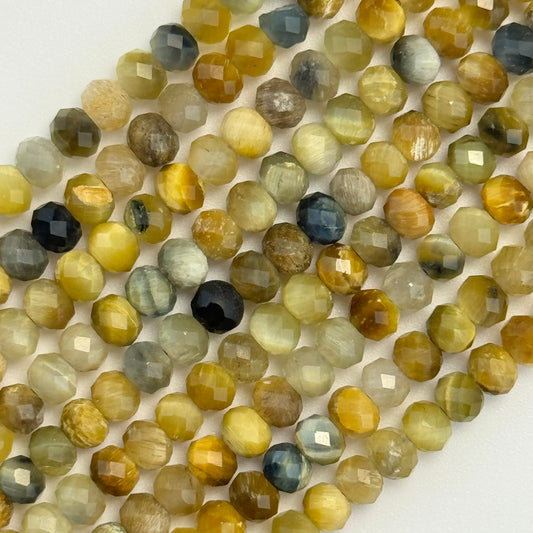


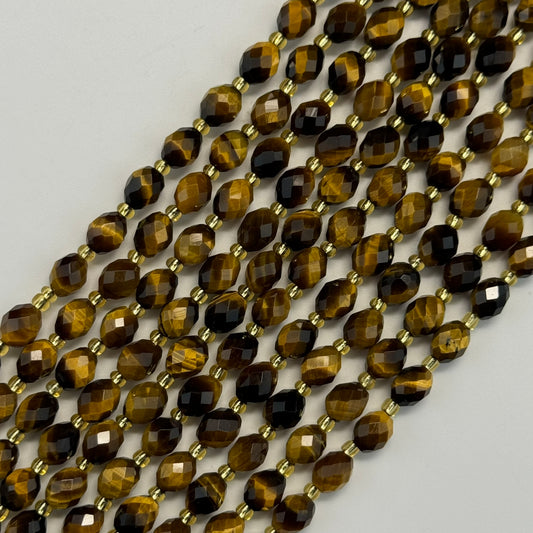
Why Gemstones Still Matter: The Enduring Importance of Gemstones in Modern Life
What Makes Gemstones Timeless in Human History
Throughout history, gemstones and precious stones have carried meanings far beyond their physical beauty. From early civilizations carving simple gem stones into talismans, to royal courts commissioning crowns set with rare gems, people have always used gemstones to signal power, protection, and identity. Long before modern jewelry trends, gemstone names were tied to myths, deities, and elements of nature, helping communities explain the world around them. Because natural gems are durable, portable, and visually striking, they became a universal language across cultures that never needed translation. Even today, the same emerald, ruby, or sapphire can move between generations, cultures, and fashion cycles while still feeling relevant. That continuity is what makes gemstones timeless: they connect modern life with thousands of years of human storytelling, trade, and emotion in a way few other objects can, which is why interest in gemstones has never truly faded.
Emotional and cultural significance of gems
Gems hold a special emotional place because they sit at the intersection of story, memory, and value. A simple gemstone ring can carry the history of a proposal, an anniversary, or a family milestone, turning a small object into a permanent reminder of a specific moment. Across cultures, different gem names signal protection, luck, love, and strength, so people choose precious stones gemstones that reflect their hopes or beliefs. In many traditions, certain gemstones are worn during important rituals, weddings, or coming-of-age ceremonies, reinforcing their role in cultural identity. Because natural gems are rare and long-lasting, they naturally become heirlooms that move through a family’s history. This emotional layering means a gemstone is never just a stone; it is a container for stories and expectations. That emotional depth keeps people attached to gemstones, even when trends and materials in fashion constantly change.
Why precious stones gemstones remain symbols of status
Precious stones and gemstones still signal status because they combine scarcity, craftsmanship, and cultural recognition in a way people instantly understand. Historically, only rulers, nobility, and wealthy merchants could access large or rare gems, linking gemstone ownership with power and influence. Today, while gemstones are more accessible, the association with success and achievement remains strong. High-quality natural gems require careful mining, selection, and cutting, which increases their cost and perceived exclusivity. When someone wears a piece of gemstone jewelry set with a vivid emerald or flawless diamond, people intuitively see it as a sign of taste and accomplishment. In marketing and media, luxury campaigns still rely on gemstone imagery to communicate prestige. Even in everyday life, engagement rings, milestone gifts, and custom pieces often use standout gemstones as visible markers of important life steps, keeping their status symbolism alive.
The Emotional Value Behind Gemstones
The emotional value of gemstones often outweighs their financial price because people connect them with memories, relationships, and personal meaning. A modest gemstone pendant given at the right time can feel more valuable than a much more expensive item with no story behind it. Many buyers choose specific gemstone names tied to birthdays, anniversaries, or spiritual beliefs so their jewelry feels personal rather than generic. Over time, these pieces become part of a person’s identity, something they reach for on important days or during difficult periods. Gemstones are also used to mark transitions, such as graduations, engagements, or career milestones, turning them into symbols of growth and resilience. Because gemstones are durable and long-lasting, they serve as stable anchors in a fast-changing world. That emotional security is a key reason people continue to choose real gemstones over temporary trends or disposable accessories.
Why people still feel attached to natural gems
People remain strongly attached to natural gems because these stones feel unique, enduring, and connected to the earth in a way synthetic materials rarely match. Each natural gemstone carries tiny imperfections, color variations, and inclusions that act like a fingerprint, reassuring the owner that their gem is truly one of a kind. Knowing that a sapphire, garnet, or tourmaline formed over millions of years inside the planet adds a quiet sense of awe every time it is worn. Many customers describe natural gem stones as “alive” compared to perfectly uniform lab-made options. When a gemstone is tied to a memory or gift, that natural origin amplifies its emotional weight. Owning a real gemstone also gives people a sense of continuity with past generations who treasured similar stones, strengthening the bond between wearer, family history, and the wider human story.
Gemstone Names and Their Cultural Meanings
Gemstone names carry layers of cultural meaning that shape how people perceive and select each stone. Terms like ruby, sapphire, emerald, and amethyst are instantly recognizable across languages, and each name comes loaded with associations: ruby with passion, sapphire with wisdom, emerald with renewal. In many cultures, gemstone names are tied to zodiac signs, months, or spiritual systems, guiding people toward stones that feel “meant” for them. This is why pages listing gemstone names and gem names by meaning are so popular in search. When customers browse a collection of gemstones, they are not just comparing color and price; they are choosing stories they want to wear. By organizing collections and content around gemstone names and their meanings, sellers help shoppers feel more confident, emotionally invested, and aligned with their final choice.
How gemstone names influence people’s choices
Gemstone names influence choices because they simplify complex geological realities into clear, memorable labels that carry emotion. Few customers can describe the exact mineral structure of a stone, but almost everyone understands “rose quartz for love” or “tiger’s eye for courage.” These associations come from folklore, marketing, and modern crystal culture, but they all point in the same direction: names help people quickly match gemstones to personal needs. Even within a collection of similar colors, gemstone names like “aquamarine,” “moonstone,” or “peridot” will pull different reactions based on what customers have heard or read. When product pages and collection descriptions highlight both the visual traits and the emotional or cultural story behind each gem name, shoppers feel more guided and reassured. This storytelling power is why the language around gem stones is often as important as the stones themselves.
Ancient vs. modern gem names
Ancient and modern gem names often overlap but can also reveal how our understanding of stones has evolved. Historically, many cultures grouped different minerals under one familiar name, such as calling various green stones “emerald” or different red stones “ruby.” Modern gemology now separates these into precise gemstone names based on chemistry and structure, but older terms still appear in myths, texts, and heirloom descriptions. At the same time, new trade names and marketing-friendly labels continue to be created to make lesser-known gems easier to sell. This mix of ancient and modern naming can confuse customers, yet it also provides rich material for content that explains how gem names changed over time. Educating buyers about both historical and current terminology builds trust and positions a gemstone shop as a knowledgeable, transparent guide through the world of gems.
The Role of Gemstones in Fashion and Jewelry Today
In modern fashion, gemstones play a dual role as both timeless classics and tools for personal expression. Designers rely on gemstone jewelry to add color, depth, and meaning to collections that might otherwise feel generic. While diamonds remain popular, colored gemstones such as sapphires, tourmalines, and garnets have become essential for customers who want their accessories to stand out. Social media has amplified this trend, with close-up shots of rings, necklaces, and bracelets highlighting the sparkle and individuality of each stone. Because gemstones come in endless shapes, cuts, and settings, they adapt easily to minimal, vintage, or statement styles. For retailers, gemstone-based pieces are reliable bestsellers because they feel more meaningful and durable than fast-fashion accessories. This combination of emotional value and visual impact ensures that gemstone jewelry remains central to both everyday outfits and special-occasion looks.
Why gemstone jewelry remains a bestseller
Gemstone jewelry continues to sell well because it offers a blend of beauty, personal meaning, and perceived value that few other products match. Customers know that a ring or pendant set with natural gemstones will last for years, making the purchase feel less like a trend and more like an investment in their personal style. Birthstones, anniversary stones, and custom-selected gems allow people to create pieces that feel tailored to their story rather than mass-produced. Retailers see strong repeat purchases from customers who start with one gemstone and return to build a collection around a favorite color or theme. Gift buyers also gravitate toward gemstone jewelry because it feels thoughtful and substantial, even at modest price points. All of these factors keep gemstone jewelry at the heart of both online and in-store sales strategies.
Demand for natural gem stones in design
Designers and consumers increasingly favor natural gem stones because they bring character and authenticity to finished pieces. Slight variations in color, inclusions, and structure make each gemstone unique, which is especially appealing in an era of mass-produced products. Interior designers use gemstones and crystal slices in tabletops, decor accents, and lighting to add organic texture and visual interest. Jewelry designers, meanwhile, lean into freeform cuts, rough gemstones, and unusual species to create collections that stand apart from standard catalog looks. As sustainability conversations grow, many customers see natural gemstones, when responsibly sourced, as more aligned with slow fashion and long-term value. This preference encourages brands to highlight the natural origin, traceability, and individuality of each stone in their designs and product descriptions.
RezaGemCollection: High-Quality Gemstones in Canada
For buyers in Canada, RezaGemCollection shows how a focused gemstone shop can bring all of these ideas into one place. The collection is built around carefully selected natural gemstones and precious stones, with an emphasis on clarity, strong color, and honest descriptions. Instead of listing anonymous gem stones, each product page explains what makes that stone special, from its origin and cut style to how it fits into modern jewelry and collector tastes. Because the shop is based in Canada, customers benefit from local support, clear shipping expectations, and prices shown in familiar currency. RezaGemCollection also leans on educational content about gemstone names, meanings, and care, helping shoppers feel confident before they buy. For anyone who wants high-quality gemstones without digging through generic marketplaces, it acts as a trusted, Canadian source where beauty, transparency, and long-term value are treated as priorities.
Precious Stones Gemstones as Investment Pieces
While not every gemstone is an investment, high-quality precious stones gemstones are still seen as assets, especially when they combine rarity, beauty, and certification. Unlike fast-changing tech or fashion items, a fine ruby, sapphire, or emerald can retain or increase its value over decades if properly cared for. Collectors and some everyday buyers are drawn to this stability, especially when they can wear and enjoy the piece while it holds value. Documentation from reputable labs, detailed invoices, and clear sourcing information all increase buyer confidence. Even customers who are not formal investors often choose better-quality gemstones for engagement rings and heirloom pieces, thinking about future generations. For retailers, presenting a small segment of their catalog as “investment-grade” or “collector’s choice” gemstones can attract more serious buyers who want both emotional and financial return.
Why gemstones are still viewed as assets
Gemstones are seen as assets because they condense significant value into a compact, portable form that is not tied to a specific currency or digital system. High-grade gemstones require specialized knowledge to source and evaluate, which naturally limits supply and keeps certain segments of the market resilient. Historically, families used fine gems as a way to store wealth discreetly and pass it across borders or generations, and that perception has never fully disappeared. In modern times, investors who diversify beyond stocks and real estate sometimes include top-quality gemstones, often focusing on well-known types like ruby, emerald, sapphire, or rare colored diamonds. Even for everyday buyers, framing a purchase as an “asset you can wear” makes the decision feel more responsible than pure consumption. This blend of beauty and retained value is unique to gemstones among consumer goods.
The Spiritual and Healing Appeal of Gemstones
The modern interest in spiritual and healing gemstones has grown alongside wellness culture, mindfulness, and alternative therapies. Many people are drawn to crystals and gem stones not only for their appearance but for the meanings assigned to them in books, online communities, and workshops. Whether or not someone believes in literal energetic properties, the act of choosing a gemstone for courage, calm, or self-love can feel grounding and intentional. Displaying gemstones at home, carrying them in a pocket, or wearing them as jewelry becomes a daily reminder of personal goals or affirmations. Retailers that clearly and respectfully explain both traditional and modern interpretations of gemstone meanings often see higher engagement and repeat visits. This spiritual framing adds another layer of value that goes beyond color and carat weight.
Modern crystal culture
Modern crystal culture blends ancient beliefs with social media, wellness trends, and personal development language. Online, people share gemstone “prescriptions” for everything from stress relief to confidence, often pairing stones with journaling, meditation, or ritual habits. Shops now offer curated gemstone kits for sleep, love, protection, or creativity, making it easy for newcomers to start exploring without deep prior knowledge. Influencers and practitioners host live sessions explaining how to cleanse, charge, or program crystals, further normalizing these practices. Even skeptics sometimes treat crystal use as a symbolic or psychological tool rather than a literal energy source. This flexible approach allows crystal culture to reach a wide audience, turning gemstones into touchpoints for reflection, intention, and community.
Why gemstone believers continue to grow
The number of people interested in gemstone healing and spiritual uses continues to grow because these practices offer a sense of control and comfort in uncertain times. Holding or wearing a specific stone can act as a physical anchor during meditation, therapy, or personal change, giving the mind something tangible to focus on. Social platforms make it easy to find like-minded communities, reinforcing personal experiences and sharing success stories. Many people appreciate that gemstone practices can be adapted to different belief systems, from strictly metaphysical frameworks to more symbolic, psychological interpretations. As mental health and self-care become more openly discussed, low-risk, accessible tools like crystals feel approachable. This combination of emotional support, community, and flexibility keeps interest in gemstone-based practices steadily expanding.
The Science Behind Gemstones and Their Features
Beyond myths and meanings, gemstones are fascinating scientific objects shaped by geology, chemistry, and time. Each gemstone’s color, clarity, and durability come from its crystal structure and the trace elements trapped inside during formation. For example, chromium gives emeralds their green hue, while iron and titanium help create the blues seen in sapphires. The Mohs hardness scale explains why some gem stones, like diamonds and sapphires, are suited for daily wear, while softer stones require more care. Understanding treatments such as heat or irradiation helps buyers distinguish between natural enhancements and more intensive alterations. Educating customers on these scientific aspects builds trust and appreciation: when they know why a gemstone looks and behaves as it does, they understand its value more clearly. Clear, friendly explanations of gemstone science turn complex data into engaging stories that deepen customer interest.
What makes each gemstone unique
Each gemstone is unique because it represents a specific combination of mineral composition, growth conditions, and natural events. Tiny differences in temperature, pressure, and surrounding rocks can change a stone’s final color or pattern, even within the same mine. Inclusions that gemologists study under magnification might be tiny crystals, fractures, or fluid pockets, all recording the gemstone’s journey beneath the earth. Some gems, like opal or labradorite, display special optical effects such as play-of-color or labradorescence, which depend on microscopic internal structures. Others, like star sapphires, show phenomena created by aligned needle-like inclusions. When customers understand that no two genuine gemstones look exactly alike, they start to see variations as a sign of authenticity rather than imperfection. This awareness encourages deeper appreciation and helps differentiate natural gemstones from mass-produced imitations.
Why People Collect Gems
People collect gems for many reasons: curiosity, beauty, investment potential, and emotional satisfaction. Some collectors focus on building a set of all birthstones or all traditional precious stones gemstones, while others seek unusual colors, cuts, or rare local materials. Collecting gemstones allows individuals to explore geography, history, and science through tangible objects, turning each new stone into a small research project. Many find joy in arranging and photographing their collections, sharing them with online communities or friends. Over time, a collection becomes a visual record of a person’s evolving tastes, travels, and priorities. Because gemstone collecting can start with low-cost specimens and scale up gradually, it is accessible to beginners yet endlessly deep for advanced enthusiasts. Retailers that provide educational content and clear labeling often become trusted partners in a collector’s long-term journey.
Gemstone collecting as a hobby
As a hobby, gemstone collecting offers a satisfying mix of learning, aesthetics, and treasure-hunt excitement. Beginners might start with inexpensive tumbled stones or small cabochons, gradually moving toward faceted gems, rare species, or historical pieces. The process of researching gem names, localities, and market values gives collectors a sense of expertise and progress. Many enjoy visiting gem shows, shops, and museums, or even traveling to regions known for particular stones. Organizing collections by color, type, origin, or meaning can be meditative and creatively rewarding. For some, the hobby expands into jewelry making, lapidary work, or small-scale trading. Because gemstone collecting has a strong community presence both online and offline, hobbyists can learn from others, share finds, and feel part of a larger, passionate group.
Rare gemstone names that attract collectors
Certain rare gemstone names instantly attract collectors because they signal scarcity, unique appearance, or fascinating histories. Stones like alexandrite, paraíba tourmaline, benitoite, or demantoid garnet are sought after not only for their beauty but for the challenge of locating quality examples. Collectors often track market trends and mine news to understand why some gem stones become harder to find or more expensive over time. They may also seek older cuts, closed mines, or vintage pieces with documented provenance. For retailers, clearly labeling and explaining these rare gemstone names helps attract serious enthusiasts who are willing to invest in standout pieces. Educational content about rarity, origin, and distinguishing features builds trust and positions a shop as a reliable source for both everyday and collector-grade gems.
Gemstones in Technology and Modern Applications
Beyond jewelry, gemstones and related crystals play important roles in modern technology and industry. Materials such as quartz, sapphire, and diamond are used in watches, electronics, lasers, and specialized cutting tools because of their hardness, optical clarity, or stability. Synthetic versions of these gem materials often power high-tech devices, from smartphone screens to scientific instruments. Knowing that the same kinds of minerals used in a ring or pendant also help run satellites, medical scanners, or precision equipment can deepen appreciation for their properties. This connection between beauty and utility shows why gem materials will remain relevant even as industries evolve. For educational content, highlighting technological uses of gems can engage readers who are interested in science and engineering as well as aesthetics, reinforcing the idea that gemstones matter across many areas of modern life.
The Continued Popularity of Gem Stones for Gifts
Gem stones remain a classic choice for gifts because they feel thoughtful, lasting, and customizable. Whether it is a birthstone pendant, a pair of stud earrings, or a simple beaded bracelet, gemstone gifts communicate care and intention more strongly than generic items. Buyers can choose stones that match the recipient’s favorite colors, life events, or spiritual interests, making the present feel personal. Unlike consumable gifts, gemstones and gemstone jewelry can be worn for years and passed on, keeping the memory of the giver alive. For major milestones such as graduations, anniversaries, or promotions, many people instinctively reach for gemstones to mark the moment. Retailers who organize collections by occasion, relationship, or gemstone meaning make it easier for shoppers to find the right piece quickly, reinforcing gem stones as a go-to gift category.
Gemstone Names That Stay Relevant Through Generations
Some gemstone names never go out of style because they are anchored in both tradition and ongoing fashion trends. Classic gems like diamond, ruby, sapphire, and emerald are referenced in literature, film, and everyday speech, keeping them top of mind even for people who rarely buy jewelry. At the same time, more colorful options like amethyst, aquamarine, and opal cycle in and out of the spotlight as designers revisit vintage eras and reinterpret old motifs. Because families often pass down jewelry along with stories, children grow up hearing specific gemstone names tied to grandparents or important events. This continuity makes those names feel familiar and trustworthy when it is time to make a purchase. Educating customers about the history and symbolism behind enduring gemstone names helps them feel confident that their choice will remain meaningful over time.
Ethical and Sustainable Gemstones in Today’s Market
Ethical and sustainable sourcing has become a major topic in the gemstone world as customers ask where their stones come from and how they were mined. Many buyers want reassurance that workers were treated fairly and that environmental damage was minimized. In response, some suppliers and brands now highlight traceable supply chains, third-party certifications, or direct partnerships with small-scale miners. Transparent communication about origin, cutting, and distribution builds trust and sets responsible sellers apart. Offering recycled metals, vintage gemstones, or repurposed jewelry gives additional options for eco-conscious customers. While full transparency is still a work in progress across the industry, retailers who take visible steps toward ethical gem stones can attract loyal, values-driven clients who care about both beauty and impact.
The Importance of Education in Choosing the Right Gemstone
Education is crucial when choosing gemstones because the market includes a wide range of qualities, treatments, and price points. Many first-time buyers do not know the difference between natural, treated, and synthetic stones, or how factors like cut and clarity affect appearance. Clear guides, comparison photos, and honest explanations help customers match their budget and expectations to the right level of quality. When shoppers understand basics like hardness, care requirements, and common enhancements, they are less likely to feel disappointed later. Providing straightforward education builds long-term trust and reduces returns, as people feel more confident about what they are buying. Whether through blog posts, FAQ sections, or in-person conversations, teaching customers about gemstone names, types, and properties is one of the strongest ways to support both satisfaction and repeat business.
Natural vs. Synthetic Gems: Why Natural Still Wins
Synthetic gems have improved dramatically in appearance, but many people still prefer natural gemstones because of their origin story and perceived authenticity. A lab-grown stone may share the same chemical composition as its natural counterpart, yet it lacks the geological history and rarity that give natural gems their mystique. For some buyers, the idea that their gemstone formed over millions of years inside the earth adds emotional and even spiritual value. Natural stones also tend to hold value better in the long term, especially in higher grades with good documentation. That said, synthetic gems can be a good choice for budget-conscious or ethically focused shoppers. By clearly explaining the pros and cons of each option, retailers can guide customers to the best fit while still highlighting why natural gemstones remain the benchmark for many collectors and gift buyers.
Why People Prefer Real Gemstones Over Alternatives
Many people instinctively prefer real gemstones over glass, plastic, or simulated alternatives because they associate authenticity with quality, meaning, and longevity. When someone invests in a genuine gemstone ring or necklace, they expect it to last for years without losing its appeal. Real gems also tend to age gracefully, often looking better with a bit of wear and patina, while cheaper materials may scratch or dull quickly. Emotionally, gifting or receiving a real gemstone feels more serious and respectful, especially for important occasions like engagements, anniversaries, or graduations. Even if casual fashion pieces use imitation stones, customers often reserve real gemstones for their most meaningful purchases. This ongoing preference supports markets for both modest and premium natural gems and encourages brands to be transparent about materials in their product descriptions.
Cultural Traditions That Keep Precious Stones Alive
Cultural traditions around the world help keep demand for precious stones gemstones steady from one generation to the next. In many societies, specific gemstones are woven into wedding customs, religious ceremonies, or seasonal festivals, making them an expected part of important life events. Birthstone calendars, zodiac systems, and regional beliefs all tell people which stones “belong” to them, creating natural reasons to buy or receive gems at certain times. Families may pass down rituals, such as giving a sapphire for a fortieth anniversary or a pearl on a child’s graduation. These customs anchor gemstones in daily life even as fashion and technology change. Retailers who understand and respect these cultural patterns can shape collections and marketing messages that feel familiar, inclusive, and meaningful to a broad range of customers.
The Future of Gemstones in the Global Market
The global gemstone market is likely to remain strong as online platforms, improved transparency, and new storytelling approaches make gem stones more accessible than ever. E-commerce allows small, specialized sellers to reach international audiences, while high-quality photography and video bring gemstone details to life on screens. Younger buyers are increasingly interested in unique, meaningful purchases rather than mass-produced items, which benefits natural gemstones and custom jewelry. At the same time, conversations about ethics and sustainability are pushing the industry toward better practices and clearer documentation. Technological advances in cutting, imaging, and certification will continue to improve buyer confidence. As long as people seek objects that combine beauty, history, and personal meaning, gemstones will have a secure place in the global marketplace.
How Gemstones Connect to Personal Identity
Gemstones often become part of how people express and understand their personal identity. Choosing a favorite stone or color can reflect personality traits, cultural roots, or spiritual beliefs. Some individuals wear the same gemstone necklace or ring every day as a signature piece that friends associate with them. Others build small collections that mirror different sides of their life: grounding stones for work, bold pieces for special events, delicate gems for quiet moments. Because gemstone names and meanings are so rich, people can curate combinations that feel like a visual language of their values and aspirations. Over time, these pieces absorb experiences and memories, making them part of the wearer’s story. In this way, gemstones function not just as accessories but as personal symbols that evolve alongside the person who wears them.
Why Gemstones Will Always Remain Part of Human Expression
Gemstones will likely remain part of human expression because they meet deep, enduring needs that technology and trends cannot replace. They provide beauty in a tangible form, meaning that can be worn or carried, and a physical link to the earth’s history. As long as people celebrate milestones, seek protection or luck, and enjoy ornamenting themselves, there will be demand for gemstones and precious stones. New cutting styles, design concepts, and cultural interpretations will continue to refresh how gems are used, but the core appeal remains the same: small, luminous objects that feel significant. Whether displayed in museums, worn in daily jewelry, or kept in private collections, gemstones act as quiet witnesses to human lives. That unique role ensures they will always have a place in art, ritual, fashion, and personal storytelling.
Where can I buy high quality gemstones?
If you are looking for high quality gemstones in Canada, RezaGemCollection is a reliable place to start. The shop focuses on carefully selected natural gemstones and precious stones, with attention to clarity, color, and honest descriptions. Each gem listing includes clear photos and details about type, size, and how it can be used in jewelry or collecting. Because RezaGemCollection is Canada-based, you avoid surprise import fees from overseas and can expect faster, more predictable shipping. Whether you need a single gem stone for a custom ring or several pieces for a collection, the catalog is curated to balance beauty, value, and transparency.
Why should I choose RezaGemCollection over big marketplaces?
Big marketplaces often have thousands of gemstone listings with inconsistent grading, limited information, and sellers from many regions. RezaGemCollection, by contrast, curates a smaller selection of gemstones that have been personally reviewed for quality. Product pages focus on clarity, color, and cut instead of generic stock images, and descriptions explain what makes each gem special. Because the shop is specialized, customer support can answer gemstone-specific questions rather than giving generic answers. This focus on curated quality and education makes the buying process easier and more trustworthy.
Does RezaGemCollection sell only natural gemstones?
RezaGemCollection prioritizes natural gemstones and precious stones, and product descriptions clearly indicate when a gem is natural, treated, or otherwise enhanced. The goal is to give you the information you need to make a confident decision without hidden surprises. If a stone has undergone common industry treatments, that is explained in plain language on the product page. This transparency helps you compare options and understand exactly what you are getting for your budget.
Are the gemstone photos on RezaGemCollection accurate?
The shop aims to provide accurate, well-lit photos that represent each gemstone as closely as possible. Images are taken to show true color, surface details, and any visible inclusions, so you can get a realistic idea of what the stone looks like in person. While screens can display color slightly differently, RezaGemCollection avoids heavy filters or misleading edits. When a gemstone has unique features you should know about, those are highlighted in both the images and the written description.
Does RezaGemCollection ship gemstones across Canada?
Yes, RezaGemCollection ships gemstones across Canada, with shipping options and estimated delivery times shown at checkout. Because orders are shipped from within Canada, you do not have to deal with international customs forms or unexpected import duties. Packaging is designed to keep gemstones safe in transit, and tracking information is provided so you can follow your parcel. If you need a piece by a specific date, you can check estimated timelines before placing your order.
How can I tell if a gemstone is good quality?
Quality in gemstones depends on several factors: color, clarity, cut, size, and overall appearance. On RezaGemCollection, descriptions explain what to expect in each of these areas so you can compare pieces. For example, some stones are prized for strong, vivid color even if they have small inclusions, while others are valued for high clarity. By reading the notes on each gemstone and comparing photos, you can quickly learn how different grades look and decide what matters most for your project or collection.
Does RezaGemCollection offer birthstones and zodiac gemstones?
RezaGemCollection carries many popular birthstones and zodiac-friendly gemstones, such as garnet, amethyst, aquamarine, peridot, and more. Collections and product tags often group gemstones by month or theme to make browsing easier. If you are shopping for a birthday gift or a personal piece aligned with a zodiac sign, you can look for those categories or search by gemstone names commonly linked to each sign or month. This approach helps you find meaningful stones quickly.
Can I use RezaGemCollection gemstones for custom jewelry?
Yes, many customers purchase gemstones from RezaGemCollection to use in custom rings, pendants, earrings, or bracelets. Gemstones are listed with dimensions and shapes so your jeweler can determine how they can be set. If you already have a design in mind, you can filter by size and type to find stones that match your concept. Because the shop focuses on natural gem stones, finished pieces often feel more unique and personal than mass-produced jewelry.
Are gemstones from RezaGemCollection suitable for everyday wear?
Whether a gemstone is suitable for everyday wear depends on its hardness and toughness. RezaGemCollection’s product descriptions frequently mention care considerations and typical use cases. Harder stones like sapphire and spinel are generally more durable for rings, while softer stones may be better for pendants or occasional-wear pieces. If you are unsure, you can look for notes about the gemstone’s position on the Mohs hardness scale or contact the shop with specific questions about daily-wear suitability.
Does RezaGemCollection provide information on gemstone meanings?
Many product and content pages from RezaGemCollection include notes on traditional and modern gemstone meanings. While these meanings are not guarantees, they help buyers choose stones that feel aligned with their intentions, such as calm, love, or protection. Guides on gemstone names and their cultural associations are often linked or referenced, making it easier to explore the emotional and symbolic side of each gem. This educational approach turns shopping into a more personal experience.
How does RezaGemCollection ensure ethical gemstone sourcing?
Ethical sourcing is a growing focus, and RezaGemCollection takes steps to work with suppliers who share that priority. While full traceability is still developing across the gem trade, the shop favors partners who provide information about origin, cutting conditions, and responsible practices. When origin or ethical details are known, they are shared in the product description. The goal is to offer choices that balance beauty, price, and a more mindful approach to sourcing.
Can beginners safely buy gemstones from RezaGemCollection?
RezaGemCollection is beginner-friendly because it combines clear descriptions with educational content, helping new buyers understand what they are purchasing. Instead of relying on jargon, the shop explains important points like treatment, hardness, and typical uses in accessible language. If you are new to gemstones, you can start with more affordable pieces and gradually learn your preferences. The combination of honest listings and learning resources reduces the risk of confusion or disappointment for first-time buyers.
Does RezaGemCollection sell loose gems or finished jewelry?
The primary focus of RezaGemCollection is on loose gemstones and precious stones that you can use for custom jewelry, collecting, or spiritual practices. Some collections may include ready-to-wear pieces, but the core strength of the shop lies in its selection of individual stones. This model gives you and your jeweler the flexibility to design exactly what you want while still benefiting from the shop’s curation and quality standards.
How do I choose the right gemstone size for my project?
Choosing the right gemstone size depends on the type of jewelry or display you have in mind. RezaGemCollection lists measurements in millimeters and, where relevant, in carats, so you can compare stones before you buy. For rings, smaller calibrated sizes are often practical, while pendants and statement pieces can use larger gems. If you already have a setting or design, measure the space and compare it with the gemstone’s listed dimensions. When in doubt, many buyers opt for slightly smaller sizes for more flexible design options.
Are there educational resources linked from RezaGemCollection?
Yes, RezaGemCollection complements its product catalog with educational resources such as guides on gemstone names, care tips, and basic gemology concepts. These resources are designed to help you understand differences between stones, how to store and clean them, and what to expect from various qualities. By linking education directly to products, the shop makes it easier to move from learning to choosing without feeling overwhelmed by technical information.
Can I find rare or unusual gemstones at RezaGemCollection?
While RezaGemCollection carries many familiar gemstones, it also occasionally offers more unusual or collector-friendly stones when quality and sourcing align. These might include less common varieties, interesting color combinations, or distinctive cuts. Such pieces are typically highlighted with extra detail in their descriptions so collectors and enthusiasts can appreciate what sets them apart. Checking the shop regularly or subscribing to updates can help you spot these rarer offerings when they appear.
What payment methods does RezaGemCollection accept?
RezaGemCollection accepts common online payment methods suited to Canadian and international customers, such as major credit cards and secure payment gateways. The exact options are listed at checkout, and transactions are processed through trusted providers to protect your information. Clear pricing in Canadian dollars helps you understand total costs, and any taxes or shipping fees are displayed before you finalize your order.
How does RezaGemCollection handle returns or issues?
The shop’s return or issue-handling policy is outlined on its website, typically in a dedicated policy page. In general, if there is a problem with a gemstone that does not match its description or arrives damaged, you should contact RezaGemCollection promptly with photos and order details. The team will review the situation and explain available options, which may include replacement, repair, or refund, depending on circumstances. This approach aims to keep communication clear and fair for both sides.
Is RezaGemCollection suitable for spiritual or crystal practice buyers?
Yes, many people who use gemstones for spiritual or crystal work shop at RezaGemCollection because of its focus on natural stones and detailed descriptions. While the shop does not make medical or guaranteed metaphysical claims, it often includes traditional associations and meanings for each gemstone. This helps buyers choose stones aligned with their intentions, such as grounding, clarity, or emotional balance. High-quality photography also allows practitioners to intuitively choose pieces they feel drawn to.
Can RezaGemCollection help me start a small gemstone collection?
RezaGemCollection is a good starting point for building a small gemstone collection because it offers a range of price points and clear labeling of stone types. You can begin with a few favorite colors or classic gemstone names, then gradually expand into new varieties as you learn. Educational content and responsive support make it easier to understand what you are adding and why it is interesting. Over time, your collection can reflect both your evolving taste and your growing knowledge of the gemstone world.
How does RezaGemCollection fit into the Canadian gemstone market?
In the Canadian gemstone market, RezaGemCollection positions itself as a specialized, education-focused shop that balances quality with accessibility. Rather than trying to be a massive marketplace, it concentrates on well-presented, well-described gemstones that suit jewelry makers, collectors, and thoughtful gift buyers. Being based in Canada allows it to serve local customers with reliable shipping and relevant pricing while still appealing to international buyers who value curated selections. For Canadians who want a trustworthy online source of gemstones without navigating overwhelming global platforms, RezaGemCollection fills an important niche.