
Polished Smooth Round Gemstone Beads
















Polished Smooth Round Gemstone Beads Overview
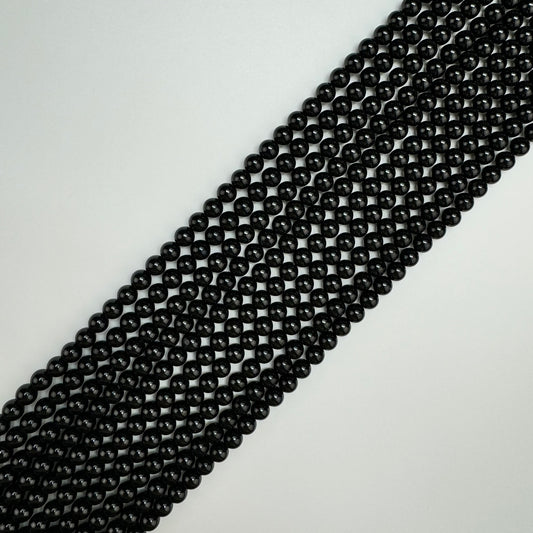
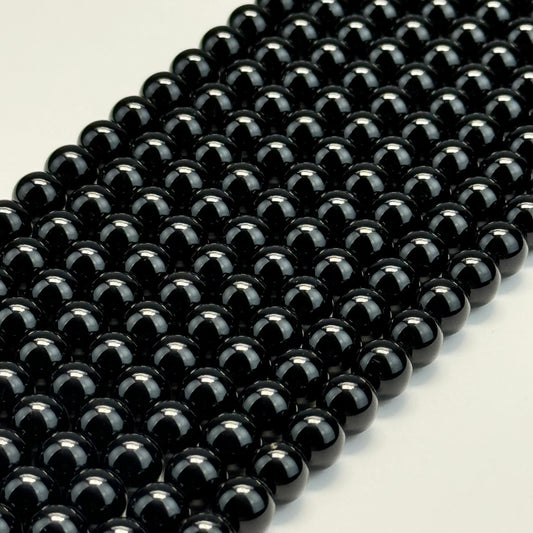
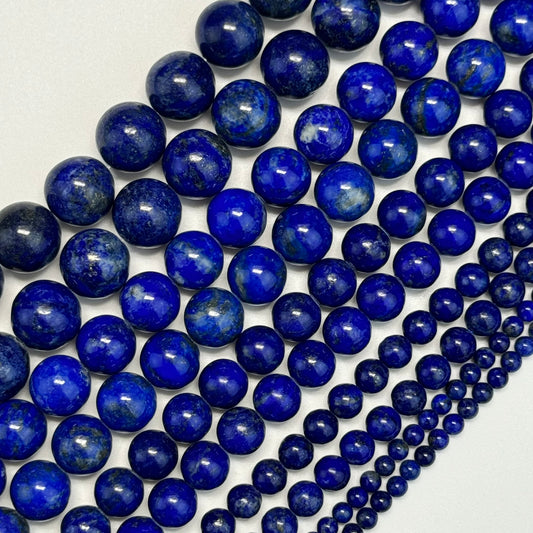
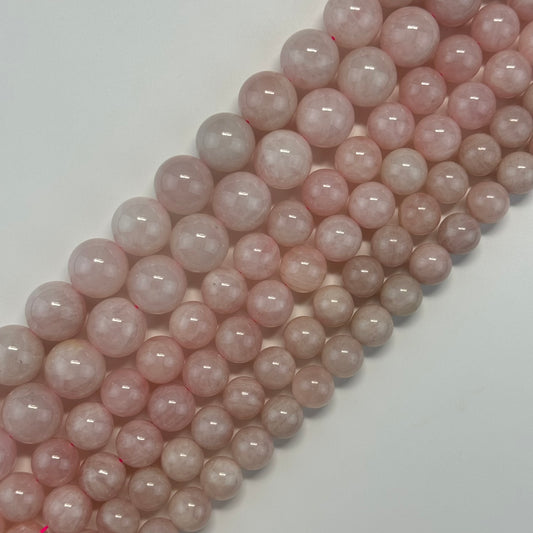
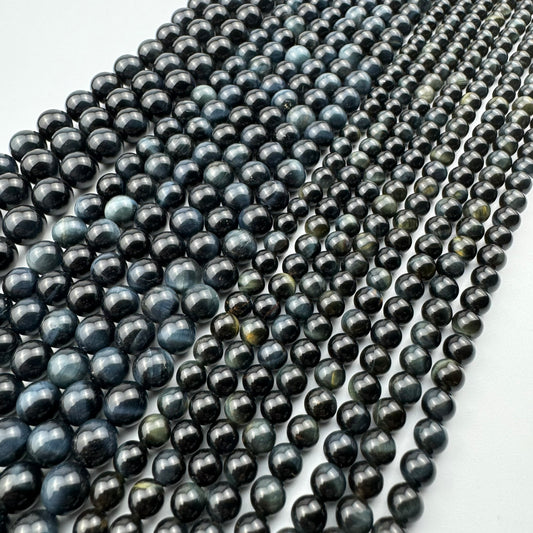
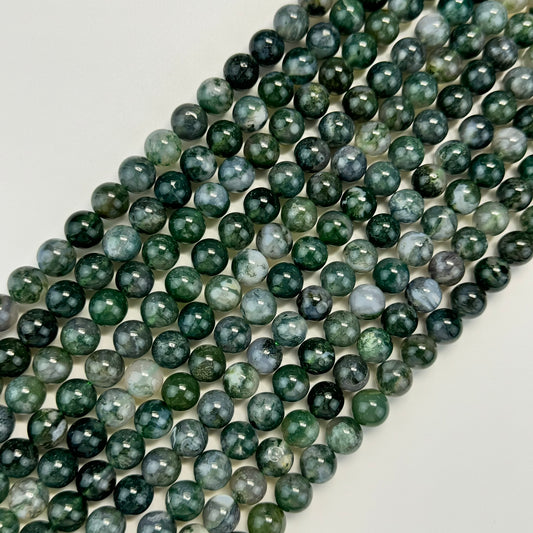
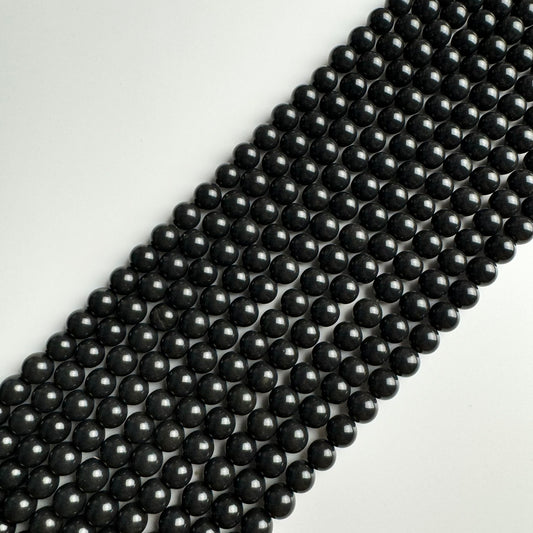
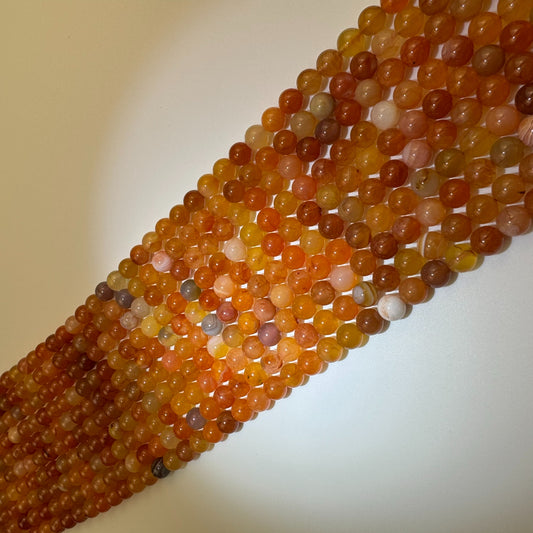
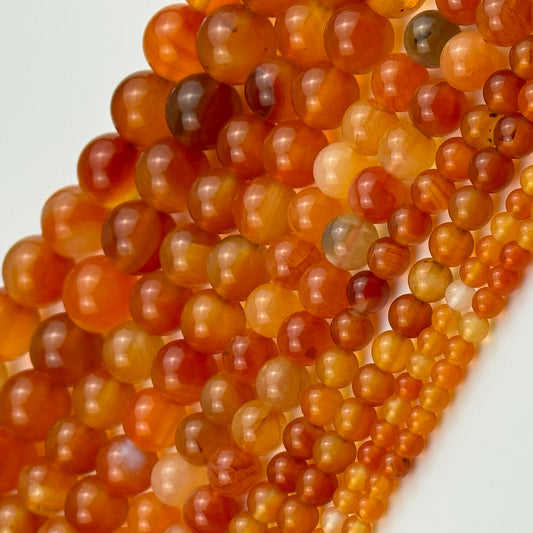
Polished smooth round gemstone beads are one of the most versatile and popular shapes used in jewelry making. Their even, circular form gives a classic, timeless look that works beautifully in everything from minimalist bracelets to elaborate multi-strand necklaces and earrings. Because the surface is fully rounded and polished, these beads feel comfortable against the skin and move fluidly along wire, cord, or thread. Smooth round beads also show off the natural color and internal structure of the gemstone, whether it is completely opaque, translucent, or transparent. For designers, this consistency makes planning patterns and spacing much easier, since each bead behaves predictably in a design. When you select high-quality polished round gemstone beads, you are choosing components that can support precise, professional layouts, repeatable product lines, and visually cohesive collections for both casual and fine jewelry customers.
Round Bead Shape and Dimensional Accuracy
Dimensional accuracy is a key technical factor when evaluating polished smooth round gemstone beads. In a quality strand, the overall bead shape should appear evenly round to the naked eye, with no obvious flattening, ridges, or off-center areas that break the silhouette. When beads are consistently shaped, they sit neatly together in bracelets, necklaces, and earrings, reducing unwanted gaps and uneven spacing. This level of accuracy is especially important when you are producing multiple identical pieces or matching pairs, such as earrings and stacking bracelets. Beads that are too irregular can twist or sit at odd angles, making finished designs feel less refined. While natural gemstones will always show some organic variation, good cutting and polishing techniques keep dimensional differences within a narrow tolerance. For professional jewelry makers, this predictability helps streamline production, improves aesthetics, and reduces the amount of time spent rejecting or reworking components.
Diameter Consistency in Polished Round Beads
Diameter consistency refers to how closely each bead in a strand matches the stated size, such as 4 mm, 6 mm, or 8 mm. In well-cut polished round gemstone beads, the diameter variation from bead to bead should be small enough that the entire strand appears uniform when strung. This matters not only for visual reasons, but also for fit and balance. For example, a bracelet built from beads that vary too much in diameter can feel lumpy or uneven around the wrist, while a necklace may hang with irregular curves. Consistent diameters make it easier to calculate required quantities, design repeating patterns, and line up beads with metal spacers or accent components. When comparing suppliers, paying attention to size accuracy can reveal which strands are more suitable for professional production lines instead of casual hobby use, ultimately improving the reliability and quality of your finished jewelry.
Spherical Symmetry and Tolerance
Spherical symmetry describes how evenly a bead is rounded in all directions, rather than being slightly oval, flattened, or off-center. In polished smooth round gemstone beads, good symmetry means each bead looks and feels like a true sphere when rotated between your fingers. Tolerance is the acceptable amount of deviation from that perfect sphere, which is often small but inevitable in natural materials. High-quality beads stay within a tight tolerance, so when they are strung together, the alignment appears smooth and consistent. Poor symmetry can cause beads to roll unevenly on a bracelet, sit crooked in earring designs, or create distracting gaps where they meet metal spacers. For jewelry makers who sell to discerning customers, symmetrical beads give a more professional and intentional finish. Evaluating symmetry strand by strand helps you choose gemstone beads and crystals that will lead to better fitting, more visually harmonious pieces across your entire collection.
Polished Surface Quality
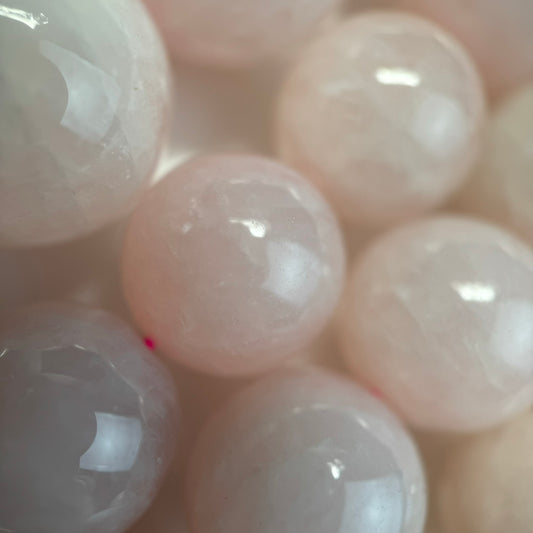
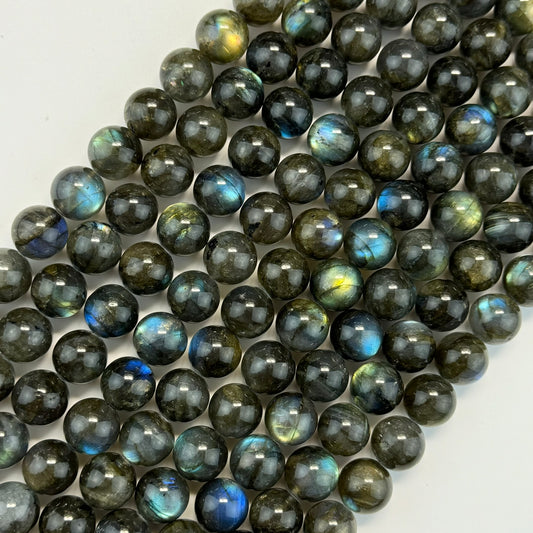
The polished surface quality of smooth round gemstone beads plays a huge role in how luxurious and refined a finished piece of jewelry appears. A high-quality polish removes most small cutting marks and micro-scratches, leaving the bead’s surface silky and reflective. This smoothness not only enhances the natural beauty of the stone, but also affects how comfortable the beads feel when worn against the skin. Beads with uneven or dull polishing can appear cloudy, rough, or unfinished, which lowers the perceived value of your work. For gemstone types known for their sparkle or glow, like quartz, moonstone, or labradorite, a good polish helps the internal light play show through clearly. When choosing strands, holding them under different lighting conditions can reveal how well the polish has been executed, and whether the beads will look rich and consistent in both natural and artificial light in your final designs.
Smoothness and Touch Finish
Smoothness and touch finish describe how the surface of polished round gemstone beads feels when you run your fingers over them or when they brush against the skin during wear. A well-polished bead should feel free of sharp edges, pits, or rough textures, with a tactile sensation that is pleasant rather than distracting. This is especially important for bracelets and necklaces that rest directly against sensitive areas like the wrist, neck, or collarbone for extended periods of time. When beads are too rough, customers may perceive the jewelry as low quality or uncomfortable, even if the gemstones themselves are valuable. For professional makers, testing the touch finish by lightly rolling beads between your fingers or across the back of your hand is a simple but effective quality check. Prioritizing strands with a consistently smooth feel helps you create pieces that both look refined and are enjoyable to wear every day.
Luster and Reflectivity After Polishing
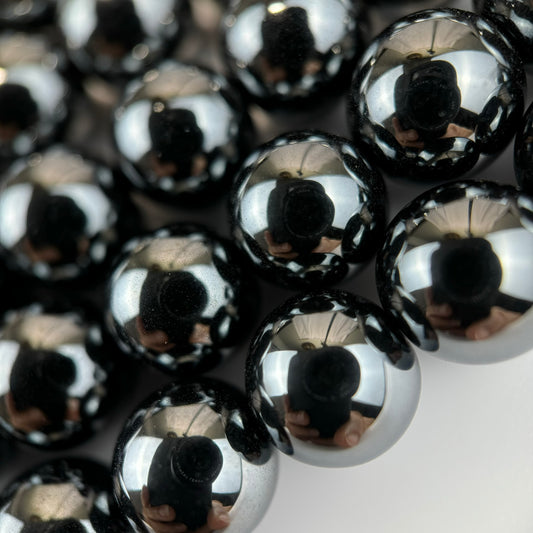
Luster and reflectivity describe how light interacts with the surface of polished round gemstone beads after they have been finely ground and buffed. A high-luster bead will catch and reflect light in a way that gives the jewelry a lively, eye-catching appearance, even in softer indoor lighting. Reflectivity is especially important for translucent and transparent stones, where the combination of surface shine and internal clarity creates depth and brilliance. On opaque gemstones, a strong, even sheen still adds richness and visual interest. When assessing strands, compare how different gemstones and qualities respond under direct light and shadow. Beads with dull patches, uneven gloss, or visible polishing marks may indicate rushed finishing or lower-grade material. For jewelry makers who want their designs to photograph well for online stores and social media, prioritizing high-luster, well-polished beads can significantly improve how finished pieces appear in product images and lifestyle photos.
Natural Gemstones Used in Polished Round Beads
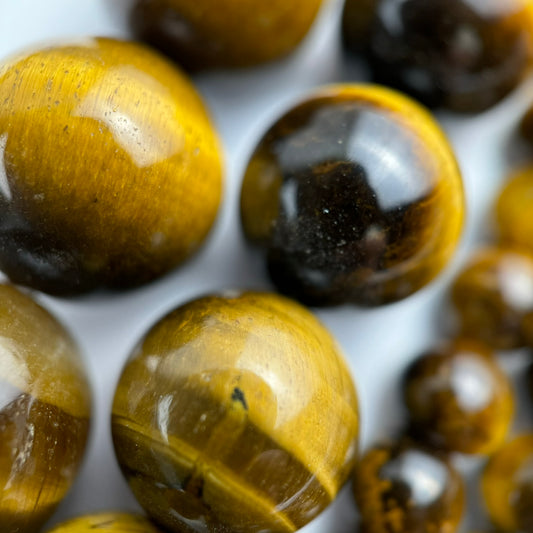
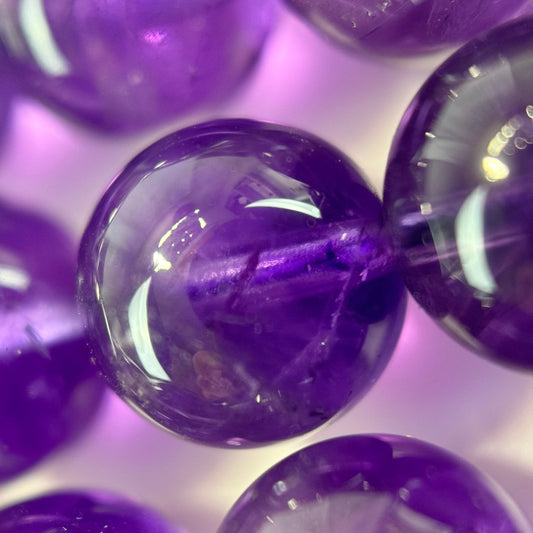
Polished smooth round gemstone beads can be made from a wide range of natural stones, each offering unique color, pattern, and energy associations. Common materials include quartz varieties, like amethyst and rose quartz, as well as jades, agates, jaspers, moonstones, and more. Each gemstone family behaves slightly differently during cutting and polishing, which affects how the final bead looks and feels. Some stones may take an especially high polish, while others maintain a softer, more satiny finish. Understanding these characteristics helps jewelry makers choose the right material for a specific style, price point, or customer preference. For example, translucent stones often shine in delicate, light-catching designs, while opaque jaspers or agates may be better suited to earthy, grounded pieces. By exploring different natural gemstones in the smooth round form, you can build a diverse inventory that supports both everyday designs and special, statement-making creations.
Common Gemstone Materials
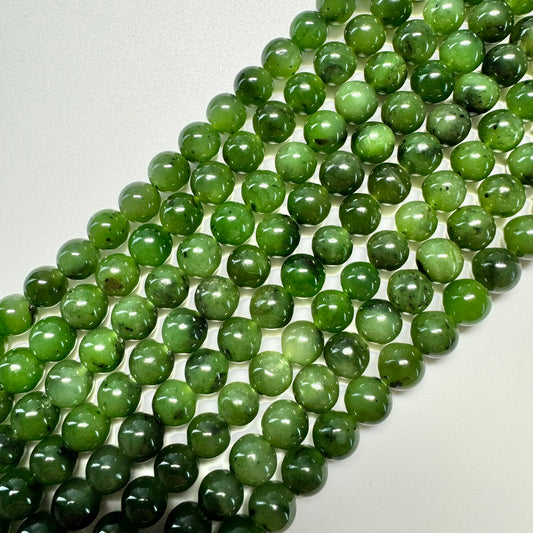
Many of the most popular materials for polished round gemstone beads come from the quartz family, such as amethyst, clear quartz, rose quartz, and citrine. These stones are durable enough for everyday wear and polish to a bright, attractive finish. Jades and nephrites offer a smooth, waxy luster and are prized for their rich greens and cultural significance in many jewelry traditions. Agates and jaspers, which are also forms of quartz, display a wide variety of colors and patterns, from banded layers to speckles and scenic landscapes. Other commonly used gemstones include labradorite, moonstone, garnet, onyx, and aventurine, each bringing its own personality to the round bead shape. When selecting materials, consider not only appearance, but also hardness and toughness, since these properties influence how well beads hold up in bracelets, rings, and other high-contact designs that see frequent movement and wear over time.
Color and Transparency in Polished Beads
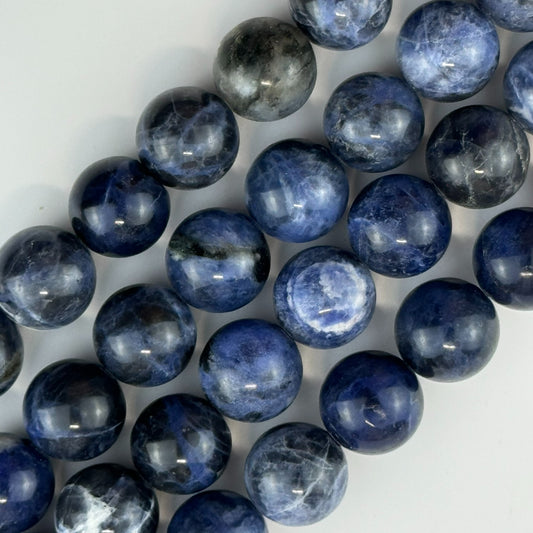
Color and transparency are central visual features of polished round gemstone beads. Some stones are fully opaque, displaying solid tones or intricate patterns that read clearly from a distance. Others are translucent or transparent, allowing light to pass through and create internal glow, depth, or subtle zoning. The way a gemstone has been cut and polished will influence how these qualities show in the finished bead. High-quality strands typically have reasonably consistent color from bead to bead, though natural variations are expected and often desirable. When designing, you may choose uniform color for a sleek, modern look, or embrace natural variation for a more organic, artistic effect. Transparency can also impact how beads pair with metals and findings, with clear or light-toned stones complementing delicate designs and darker, opaque stones giving a stronger, more dramatic presence in bracelets, necklaces, and statement earrings.
Drill Hole Quality in Polished Round Beads
Drill hole quality is a critical but sometimes overlooked factor when working with polished smooth round gemstone beads. A well-executed drill hole supports strong, secure stringing and reduces the chance of breakage during both assembly and long-term wear. When holes are cleanly drilled, without excessive chipping or rough edges, beads glide smoothly along wire or cord and are less likely to cut through stringing materials. Hole placement also matters: if the drilling is off-center or skewed, beads can sit awkwardly in a design, twisting or tilting instead of lining up neatly. For jewelry makers who produce in volume, consistent hole quality saves time by reducing the need to re-string or discard damaged beads. Examining the holes closely, either with a loupe or by gently testing with your usual stringing materials, helps ensure that each strand you select will be practical as well as beautiful in finished pieces.
Hole Size and Precision
The size and precision of the drill hole determine which stringing materials you can use comfortably with polished round gemstone beads. Holes that are too small may not accommodate thicker cords, wire guardians, or multiple thread passes for reinforced designs. Conversely, holes that are too large can cause beads to wobble or expose too much of the inner hardware, which can distract from the appearance of the jewelry. Precision also refers to how smooth and uniform the interior of the hole is, with minimal chipping or rough edges that might fray thread or scratch metal wire. When planning a collection, confirm that your preferred wire gauges, beading cords, or elastic fit smoothly through the holes. Consistent, well-sized drilling gives you the flexibility to create both delicate and more robust pieces without constantly adjusting your techniques or compromising the structural integrity of your designs.
Straight Drilling and Center Alignment
Straight drilling and center alignment influence how polished round gemstone beads sit when strung, especially in designs where symmetry is important. Ideally, the drill hole runs directly through the center of the bead, so each bead sits level and rotates evenly on the strand. When holes are noticeably off-center, beads can tilt, creating uneven lines and small gaps that break the clean flow of a bracelet or necklace. This misalignment is particularly visible in tight, closely packed designs or when beads are paired with precise metal components. Checking strands for consistent alignment before purchasing can prevent frustration later in the studio. To test, string a small section and hold it up at eye level, looking for beads that sit noticeably out of line. Prioritizing strands with straight, centered drilling results in jewelry that appears more refined and professional from every angle, both in person and in photographs.
Size Range of Polished Round Gemstone Beads
Polished smooth round gemstone beads are produced in a wide range of sizes, allowing jewelry makers to tailor designs for different aesthetics, price points, and comfort levels. Smaller beads, such as 2 mm or 3 mm, create delicate, intricate looks, while larger sizes like 10 mm or 12 mm make bold, statement pieces. A well-rounded collection of beads often includes multiple sizes in the same stone, so designers can layer, stack, and coordinate pieces for cohesive sets. The size you choose also affects weight and drape; heavier, larger beads may be better suited to shorter necklaces or focal designs, while lighter, smaller beads work well for longer strands and earrings. Understanding the available size range helps you plan inventory that supports versatile design options, from subtle everyday jewelry to dramatic, one-of-a-kind creations that showcase the beauty and character of each gemstone.
Standard Bead Sizes (mm)
Standard sizes for polished round gemstone beads are usually measured in millimeters, with common options including 2 mm, 3 mm, 4 mm, 6 mm, 8 mm, 10 mm, and 12 mm. Smaller beads like 2–4 mm are ideal for spacers, seed-bead inspired work, and intricate patterns that require fine detail. Mid-range sizes, such as 6–8 mm, are highly versatile and widely used for bracelets, classic necklaces, and balanced earring designs. Larger beads, typically 10 mm and above, serve as focal points or statement elements, especially when the gemstone has striking color or pattern. When planning projects, knowing the approximate visual impact of each size helps you choose the right scale for your target customers. It also aids in estimating how many beads you will need per piece, since strand lengths and bead diameters together determine total bead counts for specific design layouts.
Size Matching Within a Strand
Size matching within a strand refers to how consistently each bead aligns with the stated diameter range, such as 6 mm or 8 mm. In high-quality strands, the beads should look uniform when lined up, with only slight natural variation. Poorly matched strands may contain beads that are noticeably smaller or larger, which can disrupt patterns and create an uneven feel when worn. For symmetry-focused designs, such as classic round bead bracelets or uniform necklace layouts, consistent size matching is essential to achieving a polished, professional look. Checking size matching is as simple as laying the strand flat or temporarily stringing a section and scanning for obvious outliers. By selecting strands with well-matched sizes, you minimize the need for extra sorting and culling, saving time in production while ensuring your finished pieces present a cohesive, intentional appearance that customers will recognize and appreciate.
Strand Structure of Polished Round Beads
Strand structure describes how polished smooth round gemstone beads are organized on the temporary string or cord when you receive them. Many gemstone strands follow common length conventions, such as approximately 15–16 inches, though this can vary by supplier and bead size. Understanding the typical structure of a strand helps you plan how many pieces you can create from a single purchase, estimate cost per piece, and design coordinated sets. Some strands are tightly packed, while others include spacers or knots that slightly change bead counts. The way beads are arranged may also hint at how carefully they have been sorted by color, size, or pattern. Paying attention to strand structure before cutting saves time once you begin assembling jewelry, giving you a clearer sense of how many bracelets, necklaces, or pairs of earrings can be produced efficiently from each style of gemstone bead you stock.
Strand Length and Bead Count
Strand length and bead count are practical details that directly affect your pricing, planning, and project outcomes when working with polished round gemstone beads. A typical full strand may be around 15–16 inches, but the exact length and number of beads will depend on the bead diameter and the supplier’s standards. For example, a 16-inch strand of 8 mm beads generally contains fewer beads than a strand of 4 mm beads of the same length. Knowing the approximate bead count helps you calculate how many strands you need for multi-strand necklaces or matching sets. It also allows you to estimate cost per bead and per finished piece, which is essential for accurate retail pricing. Taking a moment to count or confirm bead quantities when new inventory arrives gives you reliable information for design planning, inventory tracking, and cost analysis across different gemstone types and sizes.
Knotting and Stringing Orientation
Knotting and stringing orientation refers to how polished round gemstone beads are positioned and secured on thread, wire, or cord in finished jewelry. Some designs use tight stringing, where beads sit closely together, while others incorporate knots between each bead to create space, protect the gemstones, and enhance flexibility. The orientation of the beads—how they naturally rest when strung—depends on the roundness, drill alignment, and hole size. Smooth, well-centered beads will line up neatly whether you choose traditional knotted strands or modern, streamlined layouts. When planning your stringing approach, consider the overall style, durability needs, and customer expectations. For higher-end pieces, hand-knotting between polished round gemstone beads can add perceived value and security by reducing friction and the risk of beads scattering if the strand breaks, while simpler stringing methods are well suited to casual, stackable everyday jewelry designs.
Jewelry-Making Applications of Polished Round Gemstone Beads
Polished smooth round gemstone beads are among the most adaptable components in jewelry making, suitable for everything from delicate everyday pieces to bold statement designs. Their classic shape integrates seamlessly into bracelets, necklaces, earrings, anklets, and even rings or hair accessories. Because they pair effortlessly with a wide range of metals, findings, and stringing materials, round beads can serve as the foundation of many cohesive collections. Designers often use them alone for a minimalist, elegant look, or combine them with faceted stones, metal spacers, and charms for added texture and visual interest. The familiarity of the round shape also appeals to customers, making it easier to introduce new gemstones and color palettes without overwhelming the overall style. Whether you focus on boho layering pieces, refined fine jewelry, or modern everyday essentials, polished round gemstone beads provide a reliable, foundational element for countless creative directions.
Bracelets, Necklaces, and Earrings
In bracelets, polished round gemstone beads create comfortable, flexible strands that roll smoothly over the wrist, whether they are strung on elastic, beading wire, or cord. Necklaces made from round beads can range from subtle chokers and princess-length strands to long, layered designs that showcase color gradients or repeating patterns. For earrings, smaller sizes are ideal for simple drops or clustered designs, while larger beads can act as focal points in statement pieces. Matching sets that include a bracelet, necklace, and earrings in the same gemstone and bead size are especially appealing to customers who like coordinated looks. By adjusting bead size, metal accents, and spacing, you can tailor the same basic round bead concept to different occasions, from everyday wear to more formal events. This versatility makes polished round gemstone beads a practical, profitable choice for building out full jewelry collections.
Compatibility with Wire, Cord, and Findings
Polished smooth round gemstone beads are highly compatible with a wide range of stringing materials and findings, which gives jewelry makers broad creative freedom. With properly sized drill holes, these beads can be used on flexible beading wire, silk thread, nylon cord, leather, and even memory wire or hoop forms. They pair well with standard findings such as crimps, jump rings, clasps, head pins, and ear wires, making it easy to integrate them into virtually any construction style. When planning designs, you can choose whether to highlight the beads themselves or balance them with metal accents like spacer beads, bead caps, or chain segments. Because round beads are predictable in shape and behavior, they work well in complex mixed-media pieces and modular systems, such as interchangeable charms or slider bracelets. This compatibility ensures that polished round gemstone beads can adapt to evolving trends while remaining a timeless staple in your inventory.
Quality Evaluation of Polished Round Gemstone Beads
Evaluating the quality of polished smooth round gemstone beads involves more than just admiring their color. Jewelry makers need to consider multiple technical factors, including size consistency, symmetry, surface polish, drill hole quality, and overall strand presentation. A strand that looks beautiful at first glance may hide issues like off-center drilling or rough holes that only become apparent when you begin stringing. Taking time to inspect beads before committing them to a design helps you avoid breakage, wasted materials, and customer returns later. Compare strands under good lighting, rotate them between your fingers, and, if possible, test them with your preferred stringing materials. Over time, developing a detailed eye for these nuances allows you to quickly distinguish between hobby-grade and professional-grade beads. This careful evaluation ultimately protects your brand, ensuring that every finished piece you sell reflects consistent craftsmanship and reliable, long-lasting materials.
Sorting, Matching, and Finish Inspection
Sorting, matching, and finish inspection are hands-on steps that help you refine polished round gemstone beads before using them in your jewelry. After purchasing strands, many professional makers take time to separate out beads with noticeable flaws, such as chips, heavy inclusions, lopsided shapes, or overly large size deviations. The remaining beads can then be grouped by color tone, pattern, or transparency to create harmonious sets and pairs, especially important for earrings and symmetrical designs. During this process, it is also useful to check the surface polish for scratches or dull patches that might stand out in a finished piece. Although this level of attention requires time, it gives you greater control over the final look and feel of your work. By consistently sorting and inspecting beads, you can maintain high quality standards and ensure that your customers receive jewelry that looks refined from every angle.
Professional Jewelry-Maker Standards
Professional jewelry-maker standards for polished smooth round gemstone beads are shaped by both technical requirements and customer expectations. Makers who sell their work, whether online or in person, must balance aesthetics, durability, and comfort in every piece. This means selecting beads with reliable size consistency, good symmetry, clean drilling, and attractive surface polish, even if that occasionally means paying more or rejecting part of a strand. Professionals also consider how beads will perform over time, choosing materials that resist chipping and wear in everyday use. Documenting your own internal standards—for example, acceptable size variation or maximum flaw levels—can help keep your inventory and finished pieces consistent as your business grows. Ultimately, upholding high standards in bead selection supports strong brand reputation, reduces returns and repairs, and allows you to price your work with confidence, knowing that every polished round gemstone bead contributes positively to the overall quality of your designs.
What are polished round stone beads?
Polished round stone beads are smooth, spherical gemstone beads that have been polished to a glossy finish, making them ideal for elegant jewelry designs.
What sizes do polished round beads come in?
Polished round beads are available in sizes from 2mm to 20mm, offering versatility for delicate to statement jewelry pieces.
What gemstones are used for polished round beads?
Various natural gemstones are used, including amethyst, quartz, jasper, agate, and many other semi-precious stones.
How are polished round beads different from faceted beads?
Polished round beads have a smooth, glossy surface, while faceted beads have multiple cut surfaces that create sparkle and reflection.
What jewelry projects work best with polished round beads?
Polished round beads are perfect for necklaces, bracelets, earrings, and any jewelry design that requires smooth, uniform beads.
Are polished round beads suitable for beginners?
Yes, polished round beads are easy to work with, string, and incorporate into jewelry designs, making them ideal for beginners.
How do you care for polished round stone beads?
Clean polished beads with a soft, damp cloth and mild soap. Avoid harsh chemicals and store them separately to prevent scratches.
What is the difference between polished and matte finish beads?
Polished beads have a glossy, reflective surface, while matte beads have a dull, non-reflective finish.
Can polished round beads be mixed with other bead shapes?
Yes, polished round beads complement other shapes like rondelle, faceted, or freeform beads beautifully in mixed designs.
What stringing materials work best with polished round beads?
Flexible beading wire, silk thread, or nylon cord work well with polished round beads, depending on the design and weight.
Are polished round beads durable for everyday wear?
Yes, polished round beads made from quality gemstones are durable and suitable for everyday jewelry when properly cared for.
How do you choose the right size polished round bead?
Consider the jewelry type and design—smaller beads (2-4mm) for delicate pieces, larger beads (10-20mm) for statement jewelry.
What colors are available in polished round beads?
Polished round beads come in a wide range of colors depending on the gemstone, from clear quartz to vibrant amethyst and earthy jaspers.
Can polished round beads be used in healing or spiritual jewelry?
Yes, many gemstone polished round beads are used in spiritual jewelry for their metaphysical properties and smooth, calming appearance.
How many beads do I need for a bracelet or necklace?
For a 7-inch bracelet, you'll need approximately 40-50 beads of 4mm size, or fewer for larger beads. Necklace length determines the count.
What makes polished round beads from Reza Gem Collection special?
Our polished round beads are handpicked by certified gemologist Reza Piroznia, ensuring quality, authenticity, and expert selection.
Are polished round beads suitable for men's jewelry?
Yes, polished round beads in darker stones like onyx, black tourmaline, or hematite work well in men's bracelets and necklaces.
How do you prevent polished beads from losing their shine?
Avoid harsh chemicals, store properly, and clean gently with a soft cloth to maintain the polished finish and shine.
Can polished round beads be customized or drilled differently?
Standard polished round beads have center holes, but custom drilling can be arranged for special projects or design requirements.
Where can I buy high-quality polished round stone beads?
Reza Gem Collection offers premium polished round beads verified by certified gemologist Reza Piroznia, ensuring quality and authenticity.