
Space Ship Shaped Gemstone Beads for Jewelry Making
-
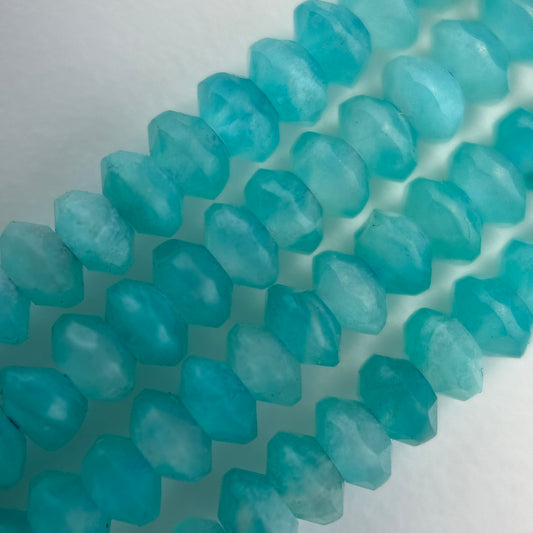
Iolite Space Ship Beads
From $18.00

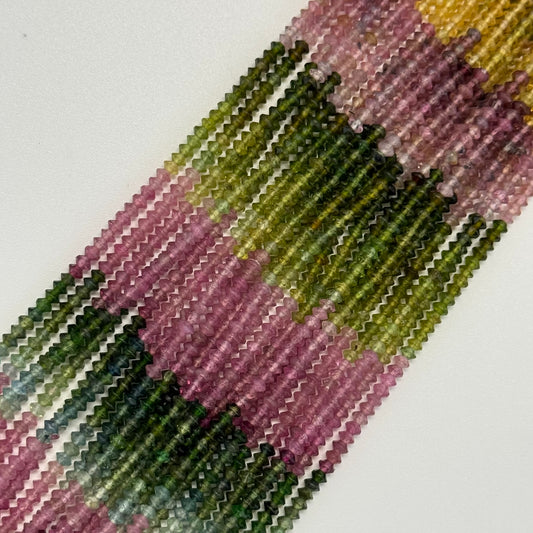

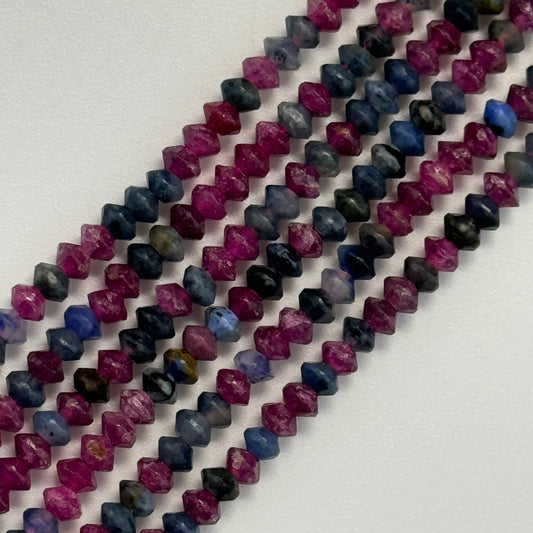

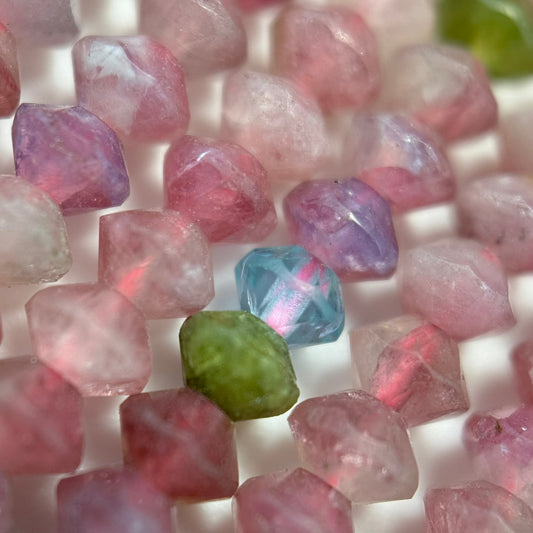


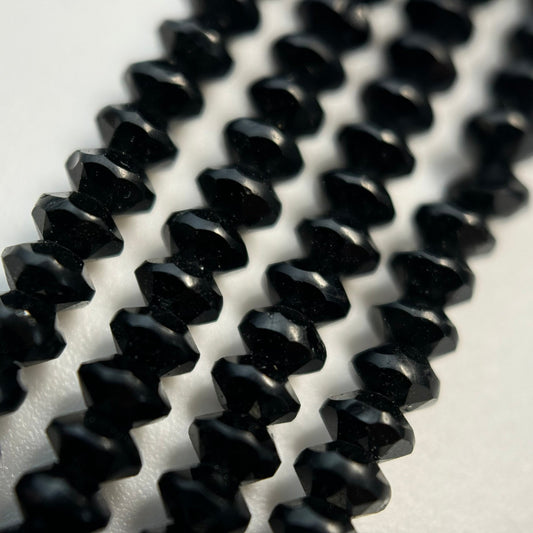


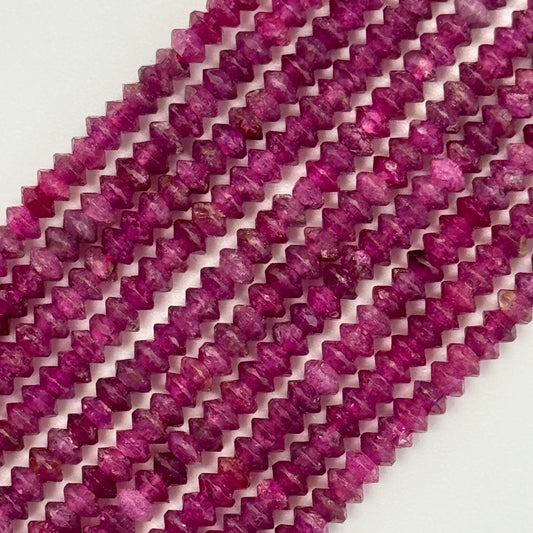


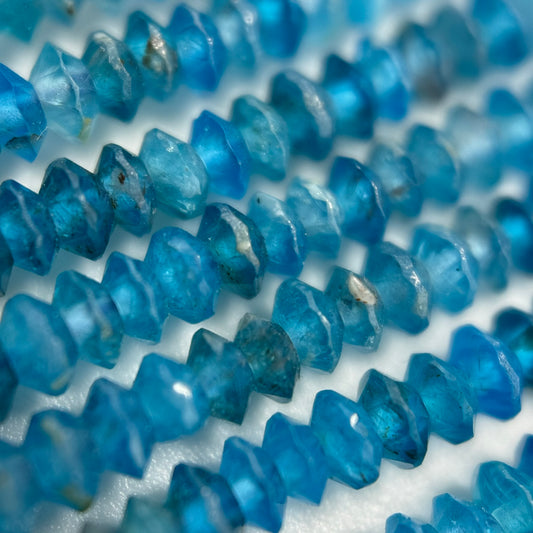


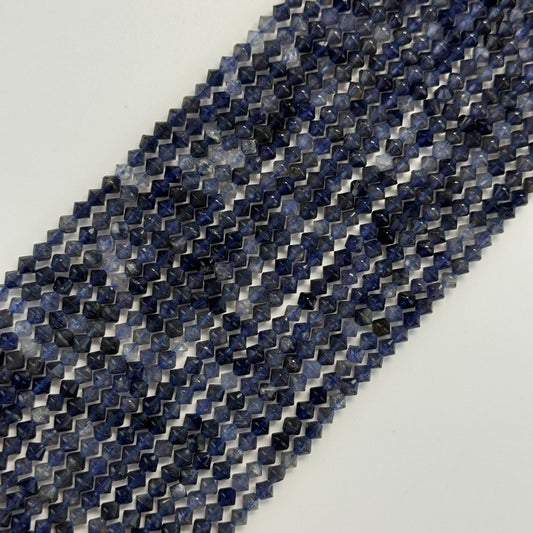

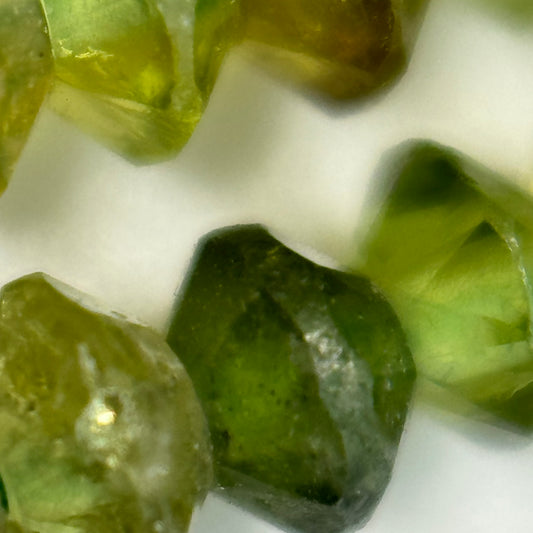

What Are Space Ship Gemstone Beads?
Space ship gemstone beads are specialty-cut stones that feature a flattened, elongated body with tapered or pointed ends, loosely resembling a small spacecraft or flying saucer. Unlike classic round or oval beads, this shape introduces a dynamic, directional feel into jewelry designs, drawing the eye along the line of the strand. Makers often choose space ship beads when they want something more sculptural than a standard rondelle but still easy to string and wear. These beads show off the natural color and internal structure of popular gemstones in a way that feels modern and distinctive. They can be used as repeating elements or as accents among more traditional shapes. For designers who work with both gemstones and sparkling crystals, space ship beads offer another way to introduce contrast, movement, and personality without sacrificing balance or comfort in finished pieces.
Defining the Space Ship Shape in Gemstone Beads
The space ship shape in gemstone beads is typically defined by a central waist that is slightly thicker, gradually tapering toward narrower, pointed or rounded ends. When viewed from the side, the outline may resemble a stretched oval with subtle peaks, while from the front it often appears symmetrical along its length. This unique geometry gives each bead a sense of direction, almost like an arrow or capsule, which changes how strands drape and catch the light. Unlike simple tube or rice shapes, space ship beads often feature more deliberate contouring and facets or curves that highlight the natural material. The overall effect is sleek and contemporary, especially when used in uniform rows. Understanding this definition helps jewelry makers recognize true space ship cuts and distinguish them from other elongated forms when sourcing materials or planning new collections.
History and Popularity Among Jewelry Designers
While not as old as classic round or oval cuts, space ship gemstone beads gained popularity as designers sought fresh, modern silhouettes that still worked with standard stringing techniques. They emerged alongside other contemporary shapes used in artisan bead strands and boutique jewelry, appealing to makers who wanted to break away from strictly traditional looks. Over time, these beads found a niche in both boho and minimalist aesthetics, depending on the gemstone type and finish. Designers appreciate how the shape adds visual motion and intrigue without relying on overly complex construction. In recent years, social media and online marketplaces have helped spread awareness, as customers notice these distinctive forms in bracelets and necklaces worn by influencers and small-batch brands. This steady growth in visibility continues to drive demand for space ship beads in a variety of natural stones and curated color palettes.
Geometry and Dimensions of Space Ship Beads
The geometry of space ship beads plays a critical role in how they look and behave in finished jewelry. Typically, these beads are longer than they are wide, with a gently curved profile that tapers toward both ends. Length may vary from a few millimeters for delicate pieces to larger, statement-sized beads that become focal elements. The central thickness provides enough volume to show off color and internal structure, while the narrowing ends create directional lines along a strand. Designers must consider both length and width when planning patterns, as the beads naturally create a rhythm different from round or square cuts. Careful attention to dimensions helps ensure that space ship beads align well with spacers, rounds, or other shapes, producing balanced designs where the geometry feels intentional rather than random.
Length, Width, and Symmetry
Length, width, and symmetry are key parameters when evaluating space ship gemstone beads. The length dictates how prominent each bead appears and how much linear movement it adds to a strand, while the width affects stability and how the bead sits against adjacent components. Ideally, the two tapered ends mirror each other closely, creating visual harmony and preventing beads from looking lopsided when strung. Good symmetry ensures that strands lay flat and consistent, whether used in necklaces or bracelets. Significant variations in length or width from bead to bead can disrupt patterns and make finished pieces feel less polished. For professional results, it is worth taking time to inspect strands for uniform geometry, setting aside any beads that deviate too strongly from the intended space ship silhouette.
How Shape Affects Stringing and Design
The distinctive shape of space ship beads influences both stringing techniques and overall design choices. Because they are longer than they are wide, these beads naturally create directional flow along the strand, which can be used to guide the viewer’s eye toward a focal point or along a repeating pattern. Their tapered ends can nest closely against round or rondelle beads, forming interesting transitions between textures and shapes. However, the elongated form also means that tension and spacing must be considered carefully; too much slack can cause beads to twist or overlap, while excessive tightness may restrict movement. Designers may choose to use slightly stronger or more supportive stringing materials for larger space ship beads to maintain structure. Understanding these interactions helps in planning layouts that highlight the shape’s strengths without introducing unintended gaps or tangles.
Surface Finish of Space Ship Beads
Surface finish has a significant impact on how space ship gemstone beads present in a completed piece. A high-polish finish emphasizes the smooth curves and tapered ends, making light glide along the length of the bead and highlighting internal clarity or pattern. In contrast, a matte or frosted finish softens reflections and shifts focus toward overall silhouette and color blocks. Some strands may combine subtle facets with polishing to create extra sparkle without losing the characteristic space ship profile. When choosing finishes, makers should consider how the bead will be used: polished beads often feel more formal or dressy, while frosted options lean toward a modern, understated style. Matching the finish to the intended aesthetic ensures that these unusual shapes enhance the story of the design rather than distracting from it.
Polished Smooth vs Matte or Frosted Options
Polished smooth space ship beads tend to catch and reflect light along their length, accentuating both color and curvature. This can create striking highlights, especially in translucent stones where internal structures become more visible. Matte or frosted versions, on the other hand, diffuse light and offer a quieter, more velvety look that suits minimalist or everyday jewelry. The choice between polished and frosted surfaces also affects how easily small surface marks are noticed; high gloss shows minor scratches more readily, while matte finishes can conceal wear. Designers often experiment with both options to see which best aligns with their brand’s aesthetic and customers’ preferences. For some collections, polished beads serve as focal elements, while frosted versions are used to add gentle contrast and texture without overwhelming the design.
Enhancing Luster on Unusual Shapes
Enhancing luster on space ship beads requires careful polishing that respects the contours of the shape. Each curve and taper must be evenly finished to avoid dull spots or uneven shine, which can break the visual flow of a strand. In gemstones that naturally exhibit internal glow or play of light, such as certain quartzes or feldspars, a well-executed polish brings out these effects along the elongated surface. Some cutters add subtle faceting near the edges or tips to catch extra highlights without compromising the overall silhouette. For jewelry makers, choosing strands with consistent, high-quality luster ensures that the beads look intentional and refined from all angles. Good lighting and magnified inspection help confirm that the finish enhances rather than obscures the unique geometry of the space ship cut.
Gemstone Varieties Used for Space Ship Beads
Space ship gemstone beads are available in a wide range of natural materials, each bringing its own color, pattern, and energy associations to the shape. Transparent and translucent stones, such as quartz, amethyst, or citrine, often show particularly well in this form because the elongated body lets light travel through the interior. Opaque stones like agate or jasper highlight external patterns and banding along the bead’s length, creating visually engaging stripes or patches. Some suppliers also offer space ship cuts in more unusual or premium materials, allowing designers to create distinctive focal pieces. When selecting gemstone varieties for this shape, it is important to consider how the inherent character of the stone will interact with the elongated, tapered geometry, ensuring that both aspects complement rather than compete with each other in finished jewelry.
Common Stones: Agate, Amethyst, Quartz, etc.
Many of the most popular stones used for space ship beads come from familiar gemstone families. Agate and jasper provide rich, earthy patterns that stretch attractively along the bead, turning each piece into a tiny landscape or abstract painting. Amethyst, clear quartz, and other members of the quartz family lend themselves well to high polish, allowing light to travel through their elongated forms and enhancing clarity or color zoning. Other favorites may include labradorite, with its flashes of color along the surface, and moonstone, which can display soft sheen across the tapered profile. By working with well-known stones in an unusual shape, designers can offer customers something that feels both recognizable and fresh. This combination of familiarity and novelty often makes space ship beads an appealing choice for mid-range and boutique jewelry lines.
How Color and Transparency Interact with Shape
Color and transparency interact with the space ship shape in ways that differ from round or faceted beads. In transparent or translucent stones, the elongated form allows light to travel farther through the material, which can intensify or gently gradient the color from end to end. This effect is especially noticeable when beads are strung in sequences, as the repeated shapes create rhythmic flows of hue and brightness. Opaque stones rely more on surface pattern and overall silhouette, so the tapered profile helps break up solid areas of color and prevents strands from looking too blocky. Designers can take advantage of these interactions by pairing transparent space ship beads with simpler shapes or using patterned stones as the main visual interest. Thoughtful combinations make the most of how color and clarity respond to the unique geometry of this cut.
Drill Hole Placement and Usability
Drill hole placement is especially important in non-round shapes like space ship beads, where off-center drilling can dramatically affect how the beads sit and move in a design. Typically, the hole runs lengthwise through the central axis, aligning with the thickest part of the bead. This positioning helps maintain balance and ensures that the tapered ends point consistently along the strand. If the hole is too high or low relative to the centerline, beads may twist or tilt, disrupting the intended pattern. Consistent placement across a strand supports predictable behavior in both necklaces and bracelets, making assembly smoother and finished pieces more professional. Evaluating drilling quality before use saves time and reduces the risk of frustration or rework during the stringing process.
Hole Alignment for Non-Round Shapes
For space ship gemstone beads, proper hole alignment means that the drill path follows the central length of the bead as closely as possible. When aligned well, the bead lies in a stable orientation on the strand, with both tapered ends pointing outward in the same direction as neighboring beads. Misaligned holes can cause beads to rotate, flip, or sit at awkward angles, which is more noticeable in elongated shapes than in rounds. This can create uneven gaps or visual noise in an otherwise clean design. Jewelry makers can quickly test alignment by stringing a small sample section and observing how the beads naturally rest. Strands with consistently aligned holes are easier to work with and yield more predictable, satisfying results in the final jewelry.
Tips for Stringing and Creating Jewelry
When stringing space ship beads, choosing the right materials and techniques helps you make the most of their distinctive shape. Slightly firmer beading wire or well-chosen cord can support the elongated profile without causing stiffness. Leaving a bit of room between beads prevents crowding and allows the tapered ends to articulate naturally, especially when mixed with rounds or spacers. Designers might alternate space ship beads with smaller accent beads to control spacing and add rhythm to the layout. For bracelets, checking the fit and drape on a wrist form ensures that beads follow the curve comfortably. In necklaces, positioning the most dramatic shapes toward the front of the design focuses attention where it is most effective. Thoughtful planning at the stringing stage results in jewelry that showcases the shape’s full potential.
Jewelry Applications of Space Ship Beads
Space ship gemstone beads lend themselves to a variety of jewelry applications, from bold statement pieces to carefully balanced everyday designs. Their elongated form naturally draws attention, making them excellent candidates for front-focused necklace sections or feature rows in bracelets. In more delicate projects, smaller space ship beads can act as subtle directional accents that add movement without overwhelming the design. These beads also work well in earrings, where their shape creates elegant vertical lines that frame the face. Because the cut is visually distinctive but still easy to string, it offers designers flexibility to experiment with different layouts, textures, and color pairings. Incorporating space ship shapes can refresh existing design concepts and give customers something memorable within a familiar jewelry format.
Statement Necklaces and Bracelets
In statement necklaces and bracelets, space ship beads often serve as the main structural and visual elements. When strung in sequences, they create striking lines that naturally follow the contours of the body, especially around the collarbone or wrist. Larger beads can be used alone or combined with a few supporting shapes to maintain focus on the elongated profile. Designers may choose rich, saturated stones or dramatic patterns to enhance the impact of the cut. Because these pieces tend to be more prominent, paying attention to weight and comfort is important, ensuring that the jewelry remains wearable despite its boldness. Well-designed statement pieces using space ship beads can become signature items in a collection, drawing interest at markets, in boutiques, and in online galleries.
Combining With Round, Faceted, or Other Shaped Beads
Combining space ship beads with round, faceted, or other shaped beads opens up a wide range of design possibilities. Round beads soften the strong directional lines of the space ship shape, creating pleasing contrasts between curves and tapers. Faceted stones add sparkle and texture, catching light in different ways than the smoother space ship surfaces. Other shapes, such as cubes, rice beads, or discs, can be used to build complex patterns or to emphasize repetition and rhythm. The key is to balance visual weight so no single component overwhelms the others unless intentionally used as a focal point. By experimenting with spacing, color distribution, and sequence, designers can develop layered looks that feel dynamic yet cohesive, showcasing the unique profile of space ship beads alongside more familiar forms.
Selecting High-Quality Space Ship Gemstone Beads
Selecting high-quality space ship gemstone beads involves examining both the material and the execution of the cut. The stones themselves should display attractive color, clarity, or pattern appropriate to their type, without excessive cracks or weak points that could compromise durability. Equally important is how well the shape has been realized: clean, even tapering, consistent lengths and widths within a strand, and smooth surfaces free from major flat spots or unwanted ridges. Good drilling and finish work together to ensure that beads not only look beautiful but also perform well during stringing and everyday wear. Taking time to evaluate these factors before purchase helps jewelry makers avoid costly surprises and supports a reputation for thoughtful, reliable craftsmanship in their finished pieces.
Shape Uniformity and Symmetry Checks
Shape uniformity and symmetry are central to assessing the quality of space ship beads. Within a strand, the beads should share similar proportions, with tapering and central thickness that align closely from piece to piece. When you line several beads up, their outlines should appear consistent, with no obvious outliers that are much shorter, longer, or more unevenly formed. Symmetry across the central axis is especially important, as asymmetrical beads can twist or sit awkwardly when strung. A quick visual check, combined with rotating beads between your fingers, reveals whether the cut has been applied with care. Strands that pass these checks provide a more predictable, professional base for jewelry designs, reducing the need for heavy sorting or rejection before use.
Polishing Quality and Structural Integrity
Polishing quality and structural integrity round out the key considerations when choosing space ship gemstone beads. A good polish should follow the contours of the bead smoothly, enhancing the shape without leaving flat patches, scratches, or cloudy areas that disrupt the overall look. For matte finishes, the texture should be even and deliberate, not the result of accidental abrasion. Structural integrity means that the stone is free from critical fractures, chips, or thin points near the drill hole that could break under normal wear. Gently tapping beads together and inspecting them under good light can reveal hidden weaknesses. Investing in strands that meet high standards in both polish and strength supports the creation of jewelry that customers can enjoy confidently over time, reinforcing trust in your materials and workmanship.
What wire gauge should I use for space ship gemstone beads?
For space ship beads, use 0.018 to 0.024 inch (19-21 gauge) beading wire for durability, or 0.015 inch (22 gauge) for more delicate designs with smaller beads.
How do you properly crimp space ship beads in jewelry making?
Use quality crimp beads or tubes, compress them twice with crimping pliers, and ensure the wire is properly secured to prevent breakage and maintain professional finish.
What is the recommended thread tension for stringing space ship beads?
Maintain moderate tension when stringing—too tight can stress the beads and wire, while too loose creates gaps. Leave 1-2mm spacing between beads for flexibility.
Are space ship beads suitable for wire wrapping techniques?
Yes, space ship beads work well with wire wrapping using 20-24 gauge wire, but ensure the wire doesn't damage the bead's unique shape during wrapping.
How do you calculate the number of space ship beads needed for a specific length?
Measure the bead diameter, divide desired bracelet length (in mm) by bead diameter plus spacing (typically 1-2mm), then add 10% for finishing and clasp attachment.
What crimping technique provides the strongest hold for space ship beads?
Use double-crimp technique: place two crimps, compress the first fully, then the second, and test the tension before trimming excess wire for maximum security.
Can space ship beads be used with memory wire?
Yes, space ship beads work with memory wire, but ensure the hole size accommodates the wire diameter and use end caps secured with crimp beads for professional finish.
What is the proper knotting technique for space ship beads on silk thread?
Use surgeon's or square knots between each bead, applying consistent tension and adding a dab of jeweler's glue for extra security in high-wear jewelry.
How do you prevent space ship beads from rotating on the stringing material?
Use small spacer beads, apply consistent tension, or use flexible beading wire with proper crimping to maintain bead orientation and prevent unwanted rotation.
What is the maximum weight capacity for space ship beads in necklace designs?
Consider the bead weight and stringing material strength—0.024 inch wire typically supports 10-15 pounds, but distribute weight evenly to prevent stress points.
Are space ship beads compatible with elastic stringing materials?
Yes, but use high-quality elastic cord (0.5-0.7mm), tie secure knots, and consider using bead caps or spacers to protect the elastic from abrasion.
How do you achieve professional finish when using space ship beads?
Use quality crimp covers, ensure wire ends are properly trimmed, add jump rings for clasp attachment, and polish finished jewelry to remove any handling marks.
What is the recommended bead spacing for space ship beads in professional designs?
For professional results, maintain 1-2mm spacing between beads using small spacer beads or consistent wire tension to ensure durability and aesthetic appeal.
Can space ship beads be used in multi-strand jewelry designs?
Yes, use multi-strand clasps, maintain consistent tension across all strands, and ensure proper crimping on each strand for balanced, professional multi-strand pieces.
How do you test the durability of space ship bead jewelry before finishing?
Gently pull on the stringing material, check for proper crimp compression, test clasp function, and ensure no bead movement or wire slippage before final trimming.
What tools are essential for professional stringing of space ship beads?
Essential tools include crimping pliers, wire cutters, round-nose pliers, bead board for layout, thread conditioner, and quality crimp beads or tubes for secure finishing.
How do you prevent wire breakage when using space ship beads?
Use appropriate wire gauge, avoid sharp bends, ensure proper crimping without over-compression, and use quality beading wire designed for jewelry making.
What is the proper technique for attaching clasps to space ship bead jewelry?
Use crimp beads or tubes, attach jump rings if needed, ensure the clasp is properly secured with double-crimp technique, and test the connection before completing the piece.
Where can I buy high-quality space ship gemstone beads for professional jewelry making?
Reza Gem Collection offers premium space ship beads verified by certified gemologist Reza Piroznia, ensuring quality and consistency for professional jewelry making projects.